
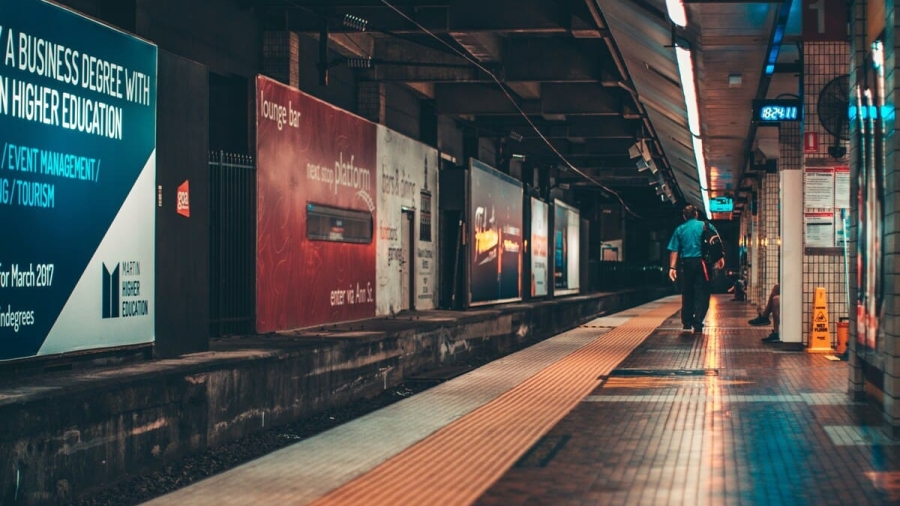
“Is This Even for My Business?”
It’s a fair question. Most guides to train advertising talk about reach and visibility in general. But a property developer, a cafe owner and a tuition centre don’t have the same goals, the same customers or the same message. So the way they use the train network shouldn’t look the same either.
If you’ve been wondering how train advertising might fit your own business, here are seven types of business, what each can use it for, and a tip for getting it right.
Note: all the business names and lines below are fictional.
1. Property Developers
What it’s good for: Launches, showroom openings and building a name in a growing area.
Property is a big decision, and people need to see a name many times before they trust it. Train ads let a developer stay in front of commuters for weeks, especially those who live in or travel through the area being developed.
Sample idea: A platform panel near the project’s location with a single image of the development, the project name and one line: “Visit our showroom this weekend.”
Tip: Keep the message to the project name, the area and one action. Details can wait for the website or showroom.
2. Food and Beverage Brands
What it’s good for: New outlets, lunch promos, festive menus and everyday visibility.
Commuters are hungry, tired and thinking about their next meal. A tempting photo and a nearby location can turn a glance into a visit.
Sample idea: A walkway ad for a fictional cafe, “Kopi Sudut”: a big photo of a hot drink and “Exit B, 3 minutes’ walk. Show this for a free upgrade.”
Tip: Use real, appetising photos. Stations are busy, so keep the text short and the image bold.
3. Education Centres and Colleges
What it’s good for: Student intake, open days, short courses and tuition enrolment.
Students and young adults are heavy train users, and parents often travel too. Train ads can reach both groups on their daily route.
Sample idea: An ad for a fictional tuition centre, “Pintar Academy”: “New term starting soon. Free trial class. WhatsApp us.”
Tip: Time your ad ahead of intake, not during it. Give people a few weeks to notice, think and enquire.
4. Clinics and Healthcare Providers
What it’s good for: Building trust, promoting health screenings and announcing new services.
Healthcare is local. People choose a clinic close to home or work, which suits station-based advertising well. A calm, clear message tends to work better than a hard sell.
Sample idea: A panel for a fictional physiotherapy clinic, “Senyum Physio”: “Sore shoulders after work? We’re 3 minutes from Exit B.”
Tip: Keep the tone warm and reassuring, and be careful with claims. Stick to services and location, and avoid promising results.
5. Retail and E-Commerce Brands
What it’s good for: Sales, new collections, seasonal campaigns and getting people to visit or download.
Shoppers pass through stations on the way to malls and offices. A strong offer and a clear action can turn commuting time into browsing time.
Sample idea: A digital screen ad for a fictional fashion brand, “Gaya Kita”: “Raya collection is here. Scan to see what’s new.”
Tip: Use a QR code or a short link that goes to one clear page. Don’t send people to a busy homepage.
6. Events and Entertainment
What it’s good for: Concerts, exhibitions, festivals, sports and roadshows.
Events need quick awareness and a clear date. A train ad creates buzz in the weeks before, and a wrap or a series of panels can make the event feel big.
Sample idea: A series of three station panels for a fictional food festival: “Hungry?” then “Bring your friends.” then “This weekend. Scan for tickets.”
Tip: Show the date and place clearly, and put a QR code for tickets or details. Remove or update the ad after the event ends.
7. Car Dealers and Automotive Services
What it’s good for: Service promos, test drives and building a local name.
It may seem odd to advertise cars to people who take the train, but many commuters also own cars or are thinking about buying one. Service centres, tyre shops and dealers can reach people during their commute.
Sample idea: A panel for a fictional workshop, “Bengkel Maju”: “Balik kampung soon? Get your car checked first. WhatsApp us.”
Tip: Tie your message to a moment, like a long weekend or festive travel, and make the next step as simple as a WhatsApp message.
What These Seven Have in Common
Different businesses, same few habits:
- One message. Each ad does one thing.
- A nearby station. The location matches where customers live, work or shop.
- A clear action. Scan, WhatsApp, visit or search.
- Good timing. The ad runs before the moment that matters.
- Enough time. Repetition builds familiarity.
Not on the List?
If your business isn’t one of the seven, don’t worry. These are examples, not limits. Gyms, banks, telcos, salons, co-working spaces and many others use train advertising in their own ways. The question is the same for all of them: do my customers pass through these stations, and can I say something clear in a few seconds?
Quick Questions to Check Your Own Fit
- Do my customers live, work or travel near a station?
- Can I explain my offer in one short line?
- Do I have one simple action for people to take?
- Can I run the ad for a few weeks?
- Do I have a way to track, like a QR code or a promo code?
If you said yes to most, you’re in good shape to start. If not, it may be worth refining your message or trying another medium first.
Where Does Your Business Fit?
Good train advertising isn’t about copying what the biggest brands do. It’s about matching the format, the station and the message to what your customers actually need. Start with your goal, pick the right spot, and keep it simple.
If you’d like to talk through how it could work for your own business, the team at Avyan is happy to chat. Drop us a message anytime. No hard sell, just a friendly conversation about whether train advertising suits you.