Airport Billboards vs Roadside Billboards - Avyan Advertising

Airport Billboards vs Roadside Billboards: What Changes for Your Brand?

Same Word, Very Different Experience

A billboard is a billboard, right? Big picture, short message, hope someone notices. Not quite. The place where someone sees your billboard changes almost everything: how long they look, what mood they’re in and what they do next.

If you already run roadside billboards and you’re thinking about airport billboards, or if you’re choosing between the two, here’s what changes and how to adjust your brand’s approach.

The Roadside Billboard: A Glance at 80 km/h

Picture a roadside billboard on the highway. Drivers pass it in a few seconds, eyes on the road, thinking about traffic, the next turn or where to park. They get one glance, maybe two.

That’s why good roadside billboards are:

  • Very short. A handful of words at most.
  • Very bold. Big text, strong colours, one clear image.
  • Easy to remember. A name and a hook that stick in a moment.

Roadside billboards are brilliant at making a name familiar across a city. They’re less suited to explaining things.

The Airport Billboard: A Longer, Calmer Look

Now picture someone standing in a queue at the airport, waiting for their bag, or sitting at the gate. They’re not driving. They’re not rushing every second. They have time, sometimes plenty of it.

That changes how an airport billboard gets seen:

  • People can read more. A short second line or a clear action is fine.
  • They look around. Bored eyes wander, so a good visual draws attention.
  • They notice quality. A polished airport setting makes sloppy design more obvious.
  • They’re in a different mood. Excited, relieved, curious or focused, not stuck in traffic.

Think of it like this. A roadside billboard is a friend waving from a passing car. An airport billboard is a friend sitting next to you in the waiting room, who has time to chat.

What Changes: Five Key Differences

1. How long people look.
On the road, it’s seconds. In the airport, it can be longer, especially in queues, at the gate and at baggage claim. That gives you room for a little more, but not a lot more.

2. The mood.
Drivers are often stressed, tired or distracted. Travellers might be excited, relaxed or emotional. A friendly or helpful tone can work better at the airport than a loud, urgent one.

3. The audience.
Roadside audiences are mostly locals going about their daily routine. Airport audiences include locals, returning Malaysians, tourists and business travellers. Your message may need to work for more than one group.

4. The message.
A roadside billboard might say, “Visit our new showroom.” An airport billboard can say, “Welcome to Malaysia. Your room is ready 30 minutes away.” The airport version is tied to the moment, and the roadside version is tied to the location.

5. The setting.
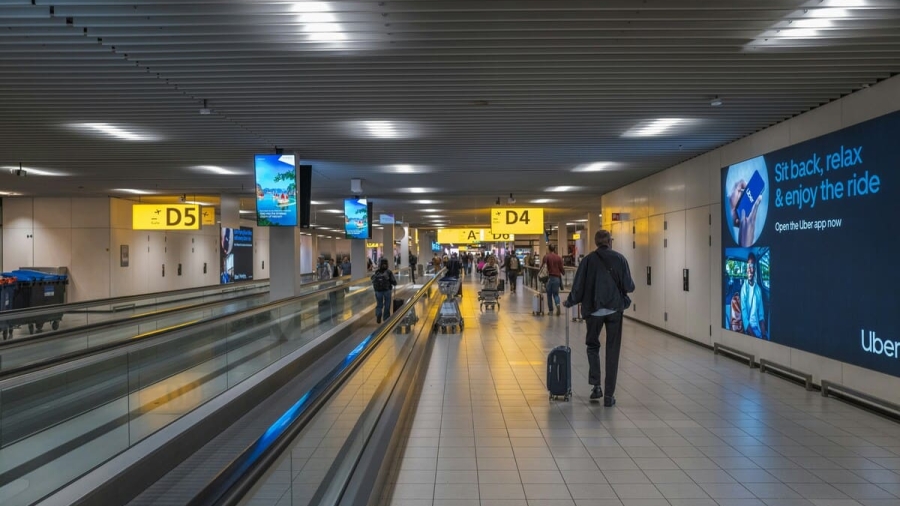
Airports are polished, indoor and well-lit. A billboard there sits among shops, screens and signs, so it needs to look good up close as well as from a distance.
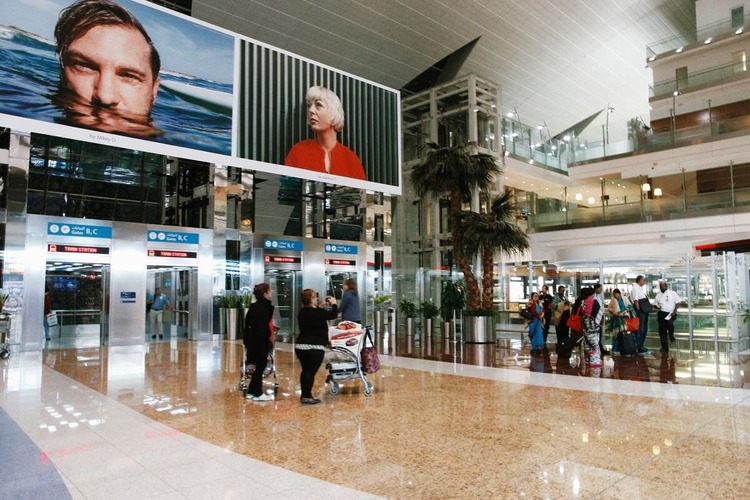
Airport Billboards vs Roadside Billboards 01 - Avyan Advertising

What Stays the Same

Even with these differences, a few rules apply in both places:

  • One message only. Cramming everything in always backfires.
  • Big, clear text. If it isn’t readable at a distance, it isn’t working.
  • A strong brand name. People should know who it’s from.
  • One clear action. Scan, WhatsApp, visit or search.
  • Consistency. Use the same look and tone as your other ads.

If you get these right, your design is already halfway there for either setting.

Can You Reuse Your Roadside Design?

It’s tempting to copy and paste. Sometimes you can, but it often needs a few tweaks.

  • Keep: your logo, your colours, your core message and your tone.
  • Adjust: the headline to fit the traveller’s moment, the action to something easy to do while waiting, and the size of text for the format.
  • Add: a short line or QR code, since people have time to use them.
  • Check: how it looks close up, since airport viewers are often nearer than road viewers.

For example, a roadside billboard with only a logo and “Open Now” could become an airport billboard with a friendly line, a clear image and a QR code for a welcome offer.

Which One Suits Your Goal?

Roadside billboards are usually better for:

  • Building local awareness across a city
  • Pointing people to a nearby shop, outlet or showroom
  • Simple, repeated brand reminders

Airport billboards are usually better for:

  • Reaching visitors and travellers
  • Tourism, hotels, travel services and premium brands
  • Messages tied to arrival, departure or homecoming
  • A polished, memorable brand impression

Using both can work well when:

  • You want to reach people on the way to the airport, inside the airport and after they land
  • You’re running a large campaign, like a launch or a festive push
  • You want your brand to feel present throughout a journey

A Made-Up Example

Imagine a new serviced apartment brand, “Rumah Sentral”, with a roadside billboard near a business district that says, “Stay Closer. Rumah Sentral.” For the airport, the team keeps the same logo and colours but changes the line to “Landed? Your stay is 20 minutes away.” and adds a QR code for a welcome offer.

The roadside billboard builds a name for locals and commuters. The airport billboard speaks to the traveller who has just arrived and needs a place.

*The brand and the story are fictional.

Questions to Ask Before You Choose

  1. Who do I want to reach? Locals, visitors or both?
  2. Where are they when I want to reach them? On the road or in the terminal?
  3. How much do I need to say? A name, or a name plus a next step?
  4. Do I want to tie my message to a moment? Like arrival or homecoming?
  5. What else is in my mix? A digital billboard or other media on the route?

Choosing Your Spot

Neither type is better. They simply do different jobs. Roadside billboards make a name familiar across the city, and airport billboards meet people when they have time to look. Match the setting to your goal, adjust your design to the moment and keep the message simple.

If you’d like help working out which setting suits your brand, the team at Avyan is happy to chat. Drop us a message anytime. No hard sell, just a friendly conversation about whether airport billboards belong in your plan.
Why Airport Advertising Works in Malaysia - Avyan Advertising

Why Airport Advertising Works in Malaysia: 7 Reasons (and 3 Honest Caveats)

People Wait Here. A Lot.

Think about the last time you were at an airport. You queued to check in, queued again at security, waited at the gate, and probably glanced at every screen, sign and shop display along the way. Not because you wanted to see ads, but because there was nothing else to do.

That’s the simple idea behind airport advertising. But “people wait there” isn’t the whole story, and it isn’t right for every brand. Here are seven reasons it works, plus three honest caveats so you can decide for yourself.

Reason 1: Travellers Have Time

Most places where we see ads, like the road or a social feed, give us a split second. Airports are different. Queues, security checks, delays and baggage belts all create pauses. When people are waiting with nothing to do, they notice more.

That means you can say a little more than you could on a roadside sign, as long as it’s still short and clear.

Reason 2: The Mood Is Receptive

Travel puts people in a particular frame of mind. Holiday-goers are excited. Returning Malaysians are happy to be home. Business travellers are focused on getting things done. Their guards are lower and their curiosity is higher than on an ordinary Tuesday commute.

A message that fits that mood, like a welcome, a tip or a time-saver, feels helpful rather than pushy.

Reason 3: You Reach a Mix of People

An airport brings together locals and visitors, families and solo travellers, holidaymakers and professionals. If your audience is broad, or if you want to reach both Malaysians and tourists in one place, this is a rare spot where they all cross paths.

You can still be selective by choosing the right zone, such as arrivals for visitors or departures for outbound travellers.

Reason 4: It Carries a Premium Feel

Airports are polished, well-lit spaces, and brands that appear there often feel more established. A well-designed display in a clean terminal can lift how people see you, especially for hotels, banks, property, tourism and lifestyle brands.

This works best when the design is simple and well made. A cluttered ad in a polished space stands out for the wrong reasons.

Reason 5: Visuals Get to Shine

Many airport formats are large, lit and eye-catching. LED screens, lightboxes and wraps give strong photos and bold designs the space they need. If your product looks good, such as food, destinations, fashion or architecture, the setting helps you show it off.

Reason 6: Malaysians Have Strong Moments There

For many people, an airport marks a big moment: balik kampung, a first trip abroad, a family send-off, a welcome back. Brands that speak to those moments, with warmth and sincerity, can leave a lasting impression.

A line like “Selamat pulang” says more than a hard-sell slogan ever could.

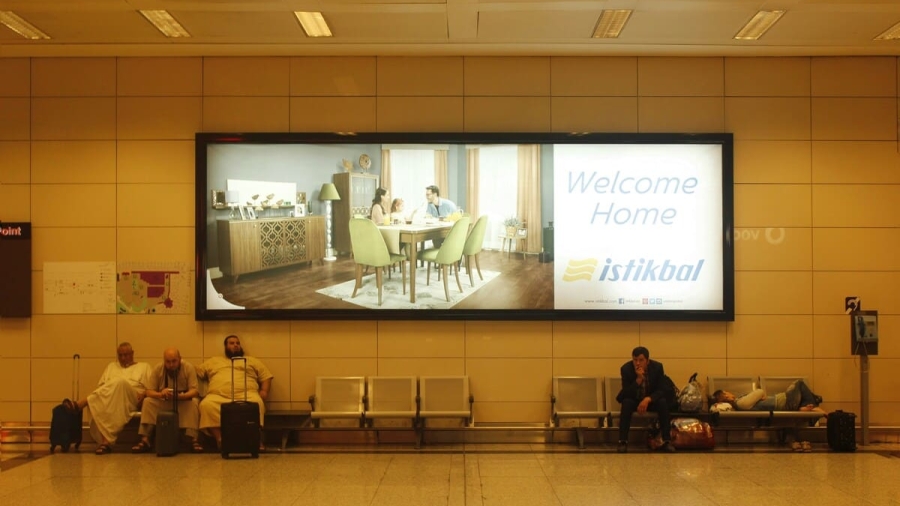
Why Airport Advertising Works in Malaysia 01 - Avyan Advertising

Reason 7: It Supports Everything Else You Do

Airport ads rarely work alone. Someone sees your brand at the airport, notices your digital billboard on the way into the city, then sees you on social media. Each sighting makes the others work harder.

For brands with a bigger plan, an airport placement can be the moment that ties it together.

Caveat 1: It’s Hard to Track Exactly

There’s no click counter. You can use a QR code, a promo code or a WhatsApp keyword, and ask new customers how they heard about you, but you won’t get a neat report.

Think of it as a brand-building and awareness channel, with tracking as a helpful extra, not a guarantee.

Caveat 2: It Needs a Simple Message

Airports are full of signs, screens and announcements, and people are often distracted or tired. A complicated message gets lost.

If you can’t explain your offer in a few words and one action, it’s worth simplifying before you book.

Caveat 3: It Takes Planning

Airports usually have rules about design, content and installation, and ads often need approval. That means you need to plan ahead and leave time for changes. It’s not something to arrange the week before a launch.

A good media partner can guide you through what’s needed for each airport and format.

A Made-Up Example

Imagine a new boutique hotel, “Hotel Seri Pantai”, wanting more bookings from visitors. It picks a display in the arrivals area with a calm beach photo and a simple line: “Welcome to Malaysia. Your room is 30 minutes away.” A QR code leads to a welcome offer. The hotel starts early, checks the design requirements with its media partner and tracks the offer code.

Over a few weeks, bookings using the code begin to trickle in, and a few guests mention they saw the ad when they landed. (The hotel and the story are fictional, so please don’t treat them as real results.)

Is It Right for You?

Ask yourself:

  1. Do my customers travel, or do I want to reach people who do?
  2. Is my message short enough to read at a glance?
  3. Do I have a clear next step, like a QR code or WhatsApp?
  4. Can I plan ahead and allow time for approvals?
  5. Am I looking to build awareness and trust, not just instant sales?

If you said yes to most, it’s worth a closer look. If not, another medium might be a better start.

Before You Decide

The strength of airport advertising isn’t just the audience. It’s the moment: people with time, in a receptive mood, in a space that lends your brand a little polish. Match that moment with a simple message and a clear plan, and it can do a lot for your brand.

If you’d like an honest opinion on whether it suits your business, the team at Avyan is happy to chat. Drop us a message anytime. No hard sell, just a straight answer on whether airport advertising makes sense for you.

How to Advertise at an Airport in Malaysia - Avyan Advertising

How to Advertise at an Airport in Malaysia: A Step-by-Step Guide for Brands

Airports Look Complicated. The Process Doesn’t Have to Be.

Airports are busy, rule-heavy places, so it’s easy to assume that advertising there is out of reach for anyone but the biggest brands. In truth, the process follows the same logic as any good campaign: know your goal, know your audience, pick your spot and keep your message simple.

If you’re curious about advertising at an airport, here’s a step-by-step walkthrough, from first idea to final results, with no jargon.

Step 1: Set a Clear Goal

Start with one question: what do you want this ad to do?

  • Build awareness of a new brand or product
  • Welcome visitors and bring them to your hotel, restaurant or attraction
  • Promote an event or festive campaign
  • Drive enquiries with a QR code or WhatsApp keyword
  • Support a bigger campaign that runs across other media

Pick one main goal. An ad that tries to do everything usually does nothing well.

Step 2: Know Which Traveller You Want

Not everyone in an airport is the same. A few groups you might be talking to:

  • Local travellers heading out, who are thinking about their trip
  • Returning Malaysians, who are tired and happy to be home
  • Tourists, who need ideas, directions and recommendations
  • Business travellers, who value time, comfort and convenience
  • Families, especially during school holidays and festive seasons

Each group notices different things. Choosing one or two will make your message much sharper.

Step 3: Think About Where They’ll See You

An airport is made up of different zones, and travellers behave differently in each:

  • Arrival and entrance areas: the first impression. People are moving, so keep it bold.
  • Check-in and queues: people stand still and have time to look around.
  • Departure halls and gates: people wait, relax and browse.
  • Baggage claim: people have just landed and need a ride or a room.
  • Exit routes: the last message before they step into the city.

Match your goal to the zone. If you run a hotel, baggage claim and arrivals make more sense than the departure gate.

Step 4: Choose a Format

Once you know the zone, the format is easier to pick. In general:

  • Large displays and wraps suit bold branding.
  • Digital screens suit timely promotions and changing messages.
  • Lightboxes and backlit panels suit strong visuals and a polished look.
  • Pillar wraps suit repeated exposure along a walkway.
  • Baggage area displays suit messages for people who have just landed.

Which formats are available depends on the airport and the operator, so ask your media partner what’s on offer at the terminals you want.

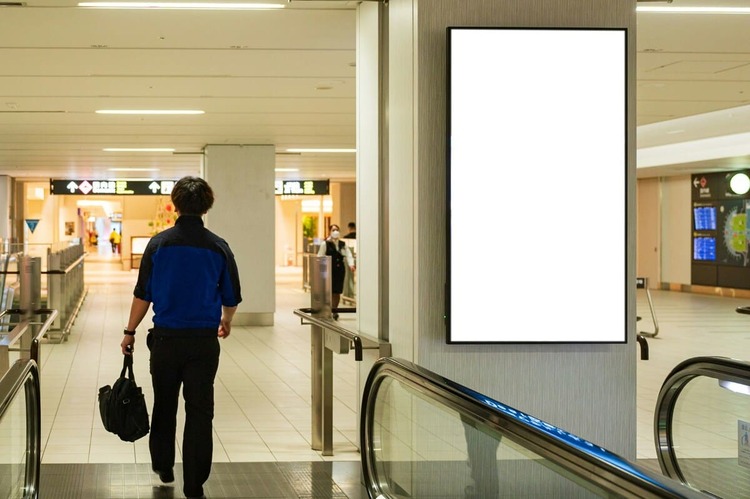
How to Advertise at an Airport in Malaysia 01 - Avyan Advertising

Step 5: Write a Message That Fits the Space

An airport is full of signs, screens and announcements, so your ad has to be easy to take in.

  • One idea. Don’t try to say everything.
  • Few words. A short headline and your brand name are enough.
  • Clear contrast and big text. It has to be readable from a distance and in varied lighting.
  • A message that fits the moment. “Welcome back” belongs in arrivals, not at departures.
  • Language for your audience. Local travellers, tourists and business visitors may respond to different tones, and simple English often works well for visitors.
  • One action. Scan, WhatsApp, visit or search.

Step 6: Check the Rules and Lead Time

This is the step many first-timers skip, and it’s the one that can delay a campaign. Airports usually have guidelines for content, design and installation, and ads often need approval before they go up.

  • Ask about content rules early. Some categories or claims may need extra care.
  • Ask about design requirements. Sizes, file formats and safe areas for text can differ between formats.
  • Ask about approval time. Allow room for changes.
  • Ask about installation and booking periods. Some spots have minimum run times or set start dates.

You don’t need to know the answers yourself. A media partner can walk you through the specifics for each airport and format.

Step 7: Plan the Timing

When your ad runs matters as much as where.

  • Festive seasons and school holidays bring more travellers, but spots can fill up early.
  • Launches and events need a build-up, so start before the date that matters.

Work backwards from the day you want results, and leave extra time for design, approval and installation.

Step 8: Book and Prepare

Once the plan is clear, you’re ready to confirm. Before the ad goes up:

  • Finalise the design and check spelling, numbers and contact details twice
  • Test any QR code on a few phones
  • Make sure your website, social pages or WhatsApp are ready for new visitors
  • Brief your team so they know what to expect and how to record enquiries

Step 9: Track What Happens

Airport ads don’t come with a click counter, but you can still see the effect.

  • Use a dedicated QR code, promo code or WhatsApp keyword that only appears on this ad.
  • Ask new customers how they heard about you.
  • Watch for more brand searches, enquiries and bookings while the ad runs.
  • Compare against a normal week before the campaign.

Write down what you see, and use it to improve the next round.

A Made-Up Example

Imagine a small tour company, “Jalan Jalan Trails”, wanting more bookings from visitors. The owner decides her goal is enquiries, and her audience is first-time tourists. She chooses a display in the baggage claim area, with a friendly line: “First time in Malaysia? Let us show you around. WhatsApp ‘TRAILS’ for a free itinerary.” She checks the content guidelines and design sizes with her media partner early and plans the start date ahead of the school holidays.

Over the following weeks, WhatsApp messages with the keyword start coming in, and a few visitors mention seeing the ad at the airport.

*The company and the story are fictional.

Boarding Time

Advertising at an airport is easier than it looks when you take it step by step. Know your goal and your traveller, choose the right zone and format, keep the message simple, and leave room for approvals and tracking.

If you’d like help planning your first airport campaign, the team at Avyan is happy to talk it through. Drop us a message anytime. No hard sell, just a friendly chat about advertising at an airport and whether it suits your brand.

Advertisements in Airports - Avyan Advertising

Advertisements in Airports: 6 Creative Ideas Malaysian Brands Can Borrow

Think Like a Traveller, Not Like a Billboard

Most people in an airport are thinking about one of three things: Where do I need to be? Have I forgotten something? And how long do I have to wait? An ad that answers one of those questions, or makes the wait a little nicer, gets noticed. An ad that ignores them gets walked past.

If you’re planning advertisements in airports, a good idea beats a big budget. Here are six ideas Malaysian brands can borrow, each tied to a moment in the traveller’s journey, with a made-up sample line to show how it might sound.

Note: all the business names and lines below are fictional, so swap in your own.

Idea 1: The “Welcome Home” Moment

Best for: banks, telcos, food brands, property, local services

Malaysians returning from a trip, whether from work, studies or holidays, are in a warm, emotional mood. A message that says “welcome back” feels personal, not salesy.

Sample line: “Selamat pulang. Your first teh tarik back home is waiting at Kopi Sudut.”

Tip: Keep it warm and short. People are tired, so a friendly line works better than an offer with conditions.

Idea 2: The Queue Companion

Best for: snacks, drinks, apps, entertainment, retail

Queues at check-in and immigration are nobody’s favourite. A light, funny line that acknowledges the wait makes people smile, and a smile is memorable.

Sample line: “Still in the queue? Good time to plan your next holiday. Scan to see our packages.”

Tip: Humour works, but keep it kind. Don’t make fun of the traveller, make fun of the situation.

Idea 3: The Balik Kampung Send-Off

Best for: gift shops, mobile data, insurance, food, car services

Festive seasons see airports full of families heading home. It’s an emotional time, and brands that tap into that feeling stand out.

Sample line: “Balik kampung? Bring a little taste of the city home. Gift boxes by Rasa Kita, ready at Level 2.”

Tip: Think about what people carry, buy or worry about on a festive trip. Gifts, data roaming, safe travel and last-minute shopping are all good starting points.

Idea 4: The Baggage Belt Wait

Best for: hotels, ride services, car rental, tourism, local attractions

The baggage belt is one of the few places in an airport where people stand still and look around. They’ve just landed, they need a ride or a room, and they have a few minutes to spare.

Sample line: “Your bags are on their way. Your room at Hotel Seri Pantai is ready. 30 minutes from here.”

Tip: Say what to do next. A QR code or a short WhatsApp keyword can turn waiting time into booking time.

Idea 5: The Friendly Local Guide

Best for: tourism, food, attractions, cultural brands, retail

Visitors arriving in Malaysia often want to know what to eat, where to go and what to try. Brands that act like a helpful local, rather than an advertiser, earn trust.

Sample line: “First time in Malaysia? Try nasi lemak for breakfast. Best enjoyed at Warung Pagi, 10 minutes by train.”

Tip: Use a conversational tone and mention something specific. A real dish, a real tip or a real place feels more helpful than a slogan. And keep the language simple, since many visitors read English as a second language.

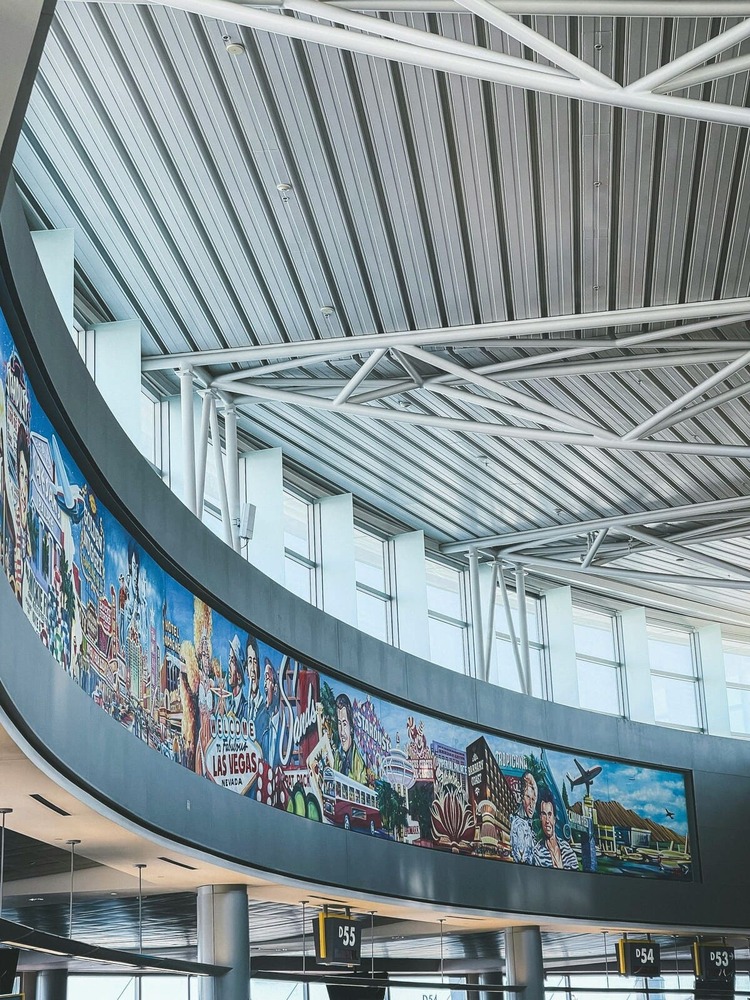
Advertisements in Airports 01 - Avyan Advertising

Idea 6: The Time-Saver for Business Travellers

Best for: co-working spaces, hotels, banks, car services, tech and software brands

Business travellers care about time, comfort and getting things done. They’re often in a hurry, so the best ads promise to save effort.

Sample line: “Landed. Meeting in 90 minutes. A quiet desk and fast Wi-Fi, 15 minutes from the airport.”

Tip: Be concrete. A clear benefit, such as “quiet desk” or “airport pickup”, is stronger than a general promise.

What Makes Any of These Work

Whichever idea you choose, a few things apply across the board:

  • One message. An airport is full of visual noise, so keep it simple.
  • A big, clear brand name. People should know who it’s from.
  • Short text. Travellers are moving, tired or distracted.
  • One action. Scan, WhatsApp, visit or search.
  • A message that fits the place. A welcome line belongs in arrivals. A queue joke belongs near the queue.
  • Language that suits your audience. Local travellers, tourists and business visitors may all respond to different tones.

A Few Mistakes to Avoid

  • Copying a billboard. Airport ads sit in a different setting with a different mood, so don’t just reuse your roadside design.
  • Too many words. If people can’t read it in a few seconds, it won’t land.
  • Wrong message, wrong moment. An “enjoy your trip” message at baggage claim feels off.
  • Hard to read in airport lighting. Test your design for contrast and size.
  • No next step. Even a simple “scan here” gives your ad a purpose.

Which Idea Is Right for You?

Ask yourself:

  1. Who do I want to reach? Locals, tourists or business travellers?
  2. When do I want them to see me? Before they leave, while they wait or just after they land?
  3. What do I want them to do? Book, visit, scan or simply remember?
  4. What tone suits my brand? Warm, funny, helpful or polished?

Your answers will point you to one or two of the ideas above. You don’t need to use all six.

Pair It With Other Media

Airports are only one moment in a person’s day. Someone might see your ad on arrival, then a digital billboard on the road into the city, then your social media later. Keep the look and message consistent, and each sighting adds to the last.

Pick Your Gate

Good advertisements in airports don’t shout the loudest. They speak to a traveller in the moment, with a message that fits the place. Pick an idea that suits your audience, keep it short and make the next step clear.

If you’d like a hand turning one of these into a real campaign, the team at Avyan is happy to chat. Drop us a message anytime. No hard sell, just a few friendly ideas to get you started with advertisements in airports that feel right for your brand.

Airport Advertising in Malaysia - Avyan Advertising

Airport Advertising in Malaysia: Which Format Is Right for Your Brand?

From Check-In to Baggage Claim, Every Step Has a Space

An airport is a strange and wonderful place to advertise. People arrive early, queue, wait, wander, walk, wait again and finally collect their bags. Every one of those moments is a chance for your brand to be seen.

But it also means there’s no single “airport ad”. If you’re considering airport advertising for your business, the real question is which format suits your goal. Here’s a plain-English guide to the main options, what each does best, and how to choose.

A quick note: which formats are available depends on the airport and the operator, so always check what’s on offer for the terminals you have in mind.

Why the Format Matters

A traveller rushing to the gate and a traveller waiting for a bag are in two very different moods. The first is focused and hurried. The second has a few spare minutes and nothing to do. The best airport ads match the format to the moment.

So before looking at formats, ask: where do I want my brand to be seen, and what do I want people to do after?

The Main Airport Ad Formats

1. Entrance wraps and large exterior displays.
These sit at the front of the terminal or along the approach roads. They’re the first thing many people see, so they work like a welcome sign for your brand.

  • Best for: big launches, brand awareness, tourism, property and anything that benefits from a bold first impression.
  • Keep in mind: people are often moving or in a vehicle, so keep it simple and large.

2. LED and digital screens.
Moving screens in departure halls, corridors and arrival areas. They can show video, change messages and be updated over time.

  • Best for: timely promotions, product launches, events and brands with several messages.
  • Keep in mind: the screen is often shared with other advertisers, so your message must grab attention in a few seconds.

3. Lightboxes and backlit panels.
Illuminated panels along walkways, near gates and in waiting areas. Because they glow, they stand out even in busy spaces.

  • Best for: strong visuals, food and drink, travel, fashion and lifestyle brands.
  • Keep in mind: the design is still, so one clear image and a short line works best.

4. Backlit banners and hanging displays.
Large banners above walkways or in open areas. They’re seen from a distance and by many people at once.

  • Best for: brand-building and big, simple messages.
  • Keep in mind: the further away it is, the bigger the text needs to be.

5. Pillar wraps.
Graphics wrapped around pillars in the terminal. Passengers walk around them, so they’re seen from several angles.

  • Best for: repeated exposure in a busy path, series of messages, eye-catching designs.
  • Keep in mind: the curved surface changes how the design looks, so test the layout before printing.

6. Baggage carousel displays.
Ads near the baggage belt, where arrivals wait with little else to look at. This is one of the few places where people are standing still and looking around.

  • Best for: messages with a little more detail, local services, hotels, taxis and ride services, and anything aimed at people who have just landed.
  • Keep in mind: the audience is arriving, not departing, so tailor your message to “welcome” and “what to do next”.

7. Exit barriers and arrival areas.
Ads along the exit route as people leave the terminal. It’s the last thing people see before they step into the city.

  • Best for: local businesses, transport, hotels, attractions and “welcome to Malaysia” style messages.
  • Keep in mind: people are keen to leave, so make it quick and clear.
Airport Advertising in Malaysia 01 - Avyan Advertising

How to Choose: Match the Format to Your Goal

  • If you want to be remembered: pick big, bold formats like entrance wraps or pillar wraps, and keep the message simple.
  • If you want to promote something timely: digital screens let you update your message and run seasonal offers.
  • If you want to tell people what to do next: baggage carousel and arrival-area ads suit local services and directions.
  • If you want to build a premium look: lightboxes and well-designed backlit panels give a polished, upscale feel.
  • If you want a bit of everything: combine two or three formats so people meet your brand at different points in their journey.

Who Is It For?

Airport advertising tends to suit:

  • Tourism and hospitality brands like hotels, attractions and tour operators
  • Travel services such as airlines, ride services, car rental and insurance
  • Property developers targeting business travellers and returning Malaysians
  • Premium and lifestyle brands that want a polished setting
  • Local businesses welcoming visitors and returning residents
  • Event organisers promoting concerts, conferences and festivals

Who Might Want to Think Twice

It may not be the best first step if you:

  • Have a very small budget and need quick, trackable sales
  • Serve customers who rarely travel by air
  • Have a complicated message that can’t be shortened
  • Need instant results this week
  • Are not yet sure of your goal

In those cases, a smaller test with a single format, or another medium, might be a better start.

A Made-Up Example

Imagine a new boutique hotel, “Hotel Seri Pantai”, wanting more bookings from visitors. It chooses two formats: a baggage carousel display, showing a calm beach photo with “Your room is ready. 30 minutes from the airport”, and a lightbox in the arrival corridor with a QR code for a welcome drink offer.

Travellers waiting for their bags see the first message, then spot the second on the way out and scan the code. The two ads work together, one planting the idea, the other offering the next step.

*The hotel and the story are fictional

Tips Before You Book

  • Start with one goal. Awareness, bookings, or an event.
  • Think about the journey. Where would your customer see your ad, and what would they feel?
  • Keep it simple. A few words, one image, one action.
  • Check the rules. Airports usually have guidelines for content and design, so ask early.
  • Plan lead time. Production and approval can take a while, so don’t leave it to the last minute.
  • Track it. Use a QR code, promo code or WhatsApp keyword so you can see what works.

Ready for Takeoff?

The best format isn’t the biggest or flashiest one. It’s the one that meets your customer at the right moment with the right message. Start with your goal, match the format, and keep the design clear.

If you’d like help working out which airport formats suit your brand, the team at Avyan is happy to chat. Drop us a message anytime. No hard sell, just a friendly conversation about whether airport advertising is right for you.