Radio Commercials in Malaysia 01 - Avyan Advertising

Radio Commercials in Malaysia: How a 30-Second Spot Is Made

Ever Wondered What Goes Into 30 Seconds of Radio?

You hear them every day. Between songs, during the morning jam, while you’re waiting for your teh tarik. A cheerful voice, a bit of music, a phone number, and it’s over before you’ve finished your sip.

It sounds simple, but a lot happens behind those few seconds. If you’re thinking of trying radio commercials for your business, it helps to know how one actually comes together. Here’s the journey from idea to airtime, step by step.

First, Why 30 Seconds?

Radio spots usually come in three lengths:

  • 15 seconds: a quick reminder or a single offer. Good for keeping your name fresh once people already know you.
  • 30 seconds: the most common length. Enough time for one clear message without losing anyone.
  • 60 seconds: room for a story or a more detailed offer, but it costs more airtime and is harder to keep interesting.

For most local businesses, 30 seconds is the sweet spot. It’s roughly 70 to 80 words, so every line has to earn its place.

Step 1: The Brief

Everything starts with a few simple questions:

  • What are you promoting?
  • Who should hear it?
  • What do you want them to do afterwards?
  • Which language will your customers respond to?
  • What’s your budget?

Get these answers down in a paragraph or two. A clear brief saves a lot of back and forth later.

Step 2: The Script

A good 30-second script has a simple shape:

  • First 5 seconds, the hook. Grab attention fast. A question, a problem or a familiar situation works well.
  • Next 15 seconds, the message. Your offer and why it matters. One idea only.
  • Last 10 seconds, the action. Say your business name, then tell people what to do next: call, WhatsApp or visit.

Compare two openings. “Welcome to Bengkel Maju, your trusted car service centre.” Or “Balik kampung soon? Get your car checked before you hit the highway.” The second one gets attention, doesn’t it?

Put together, a full script might sound like this (the name and number are made up): “Balik kampung soon? Get your car checked at Bengkel Maju in Klang before you hit the highway. Our team will check your tyres, brakes and oil, so you can drive home with peace of mind. Book this week and get a free tyre check with every service. WhatsApp Bengkel Maju at 012-XXX XXXX. Safe journey starts here.”

Step 3: Choosing the Voice and Language

The voice is the personality of your ad. A cafe might want someone cheerful and quick. A clinic might want a calm, warm voice. Think about who your customers are, not just what you personally like.

Language matters just as much. Malaysia has stations in Malay, Mandarin, Tamil and English, and plenty of listeners switch between them. Some brands record the same radio commercials in two languages and run them on different stations. Others use a natural mix, the way people really speak. Whatever you choose, make sure the wording sounds like a real person, not a translation.

Step 4: Music and Sound

Music sets the mood. Upbeat for a sale, softer for a service business. But it should support the voice, never drown it out. If a listener can’t hear your phone number over the background track, the music is too loud.

Sound effects can help too, like a door bell or a sizzling pan, but use them sparingly. And if you’re using music, ask your producer to make sure it’s properly licensed for broadcast.

Step 5: Recording and Editing

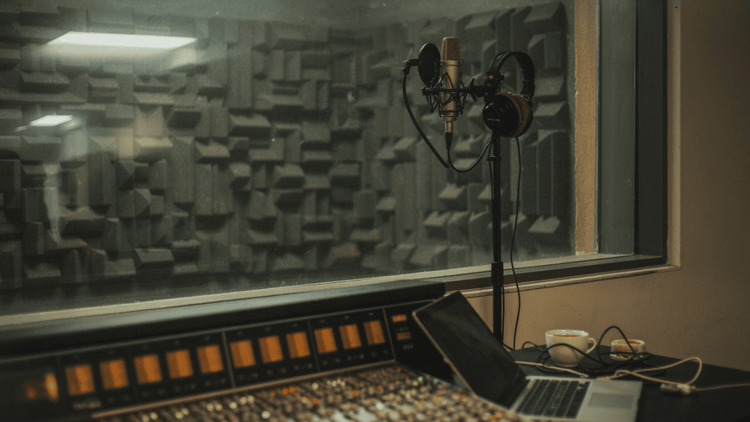
This is where the script becomes a real ad. A voice artist records in a studio, usually with a producer giving direction on tone and pace. Then the editor puts everything together:

  • Trimming the recording to fit exactly 30 seconds
  • Balancing the voice and music levels
  • Cleaning up any breaths, clicks or background noise
  • Making shorter cuts, like a 15-second version, if you need them

It’s worth listening to the final version in a car or on a phone speaker, because that’s where most people will hear it.

Radio Commercials in Malaysia - Avyan Advertising

Step 6: Approval and Delivery

Before anything airs, check the details carefully. Is the business name pronounced correctly? Is the phone number right? Is the offer wording accurate, including any dates or conditions?

Then the finished file goes to the station. Stations have their own requirements for file format and scheduling, so ask what they need early. Don’t leave this to the last week, especially before Raya, CNY or Deepavali, when slots fill up fast.

Step 7: Airing and Tracking

Once the spot goes on air, the schedule takes over. Remember that radio works through repetition, so plan on running it for a few weeks. To see if it’s working, use a promo code or WhatsApp keyword, and ask new customers how they heard about you.

Common Mistakes to Avoid

Most spots that fall flat trip over the same few things:

  • Too much in too little time. Three offers in 30 seconds means listeners remember none of them.
  • No call to action. If people don’t know what to do next, they’ll just keep driving.
  • A voice that doesn’t fit. A stiff, formal read for a fun brand feels off straight away.
  • Skipping the read-aloud test. Lines that look fine on paper can sound clumsy out loud.
  • Unchecked details. One wrong digit in a phone number can waste an entire campaign.

Catch these early, and you’ll save yourself time and airtime.

Questions to Ask Before You Start

Whether you work with a station’s team or an outside agency, it’s worth asking:

  • Who writes the script, and how many revisions are included?
  • Are the voice artist and music included in the price?
  • Will I get shorter versions, like a 15-second cut?
  • What file format and deadline does the station need?
  • Can I hear a sample or a draft before it airs?

Final Thoughts

A 30-second radio commercial is short, but it isn’t simple. The best ones come from a clear brief, a tight script, a voice that suits the brand, and a bit of care at every step. Get those right, and the rest tends to fall into place.

If you’d like help planning your first spot, or working out which stations suit your business, the team at Avyan is happy to talk it through. Drop us a message anytime. No hard sell, just a friendly chat about what could work for your radio commercials.

Radio Ads in Malaysia - Avyan Advertising

Radio Ads in Malaysia: 5 Ad Ideas Local Businesses Can Copy

Staring at a Blank Script? Start Here.

You’ve decided to try radio. You’ve picked a station, maybe even a time slot. Then you open a blank page to write the ad, and nothing comes out. Sound familiar?

Don’t worry, you don’t need to be a copywriter. Most radio ads that work in Malaysia follow a handful of simple formats. Here are five you can borrow, with sample lines to show how each one sounds.

First, Keep It Simple

Whichever idea you pick, a few basics apply. One message, one offer, one action. Say your business name more than once, because listeners often tune in halfway through. And write the way people actually talk. If it sounds stiff when you read it aloud, change it.

Note: the business names and phone numbers in the samples below are made up, so swap in your own.

Idea 1: The Friendly DJ Live Read

Best for: cafes, clinics, shops, new outlets

A live read is when the DJ talks about your business in their own voice, instead of playing a pre-recorded ad. It feels like a friend recommending a place, and that’s why listeners trust it.

Sample: “Stuck in the jam and craving something warm? Kopi Anjung in Bangsar has fresh kaya toast waiting for you. Tell them you heard it on the radio this morning and get a free teh tarik with any breakfast set.”

Give the DJ a few key points, like the name, location and offer, and let them put it in their own words. It sounds more natural that way.

Idea 2: The Short and Catchy Jingle

Best for: food and drink, retail, tuition centres, anything people buy often

A jingle is a short tune or tagline that sticks in your head. It doesn’t need to be a full song. Even a few seconds of music and a memorable line can do the job.

Sample tagline: “Sedap setiap hari, Rasa Kita Bakery.”

Keep it short, easy to say, and easy to hum. Because jingles work through repetition, they do best when your ad runs for a few weeks. One play isn’t enough, but by the tenth, your listeners will be humming along.

Idea 3: The Real Customer Story

Best for: clinics, salons, tuition centres, car dealers, service businesses

People trust other people. A short testimonial from a real customer, in their own words, can say more than any slogan. Ask a happy customer if they’d record a few lines, or have a voice artist read their words.

Sample: “I was nervous about taking my son for his first dental visit. The team at Senyum Dental in Ipoh were so patient, he asked when he could go back. Book your visit today, WhatsApp 012-XXX XXXX.”

Keep it honest and specific. A real detail, like the child asking to go back, is more believable than “great service, highly recommended.”

Idea 4: The Festive Promo

Best for: almost any business, especially during Raya, CNY, Deepavali and Christmas

Festive seasons are when Malaysians are out and spending, so it’s a natural time for radio ads. The trick is to tie your offer to something people are already doing or worrying about.

Sample: “Balik kampung soon? Get your car checked at Bengkel Maju in Klang before you hit the highway. Free tyre check with every service until the 20th. Selamat Hari Raya!”

Mixing a bit of Malay or Mandarin into an English ad, or running the same offer in two languages on two stations, can make it feel more personal. Book early, though. Festive slots fill up fast.

Radio Ads in Malaysia - Avyan Advertising

Idea 5: The Simple Offer and Action

Best for: new openings, property launches, sales, events

Sometimes the best ad is the plainest one. You have one thing to say, so you say it clearly, and you tell people what to do next.

Sample: “New serviced apartments in Shah Alam, now open for viewing. Visit our showroom this weekend and get a free parking lot for the first 20 buyers. Call 03-XXXX XXXX to book your slot.”

This format works when time is short and the offer is strong. Just resist the urge to add more. Every extra detail makes the important one harder to remember.

Mix and Match

You don’t have to pick only one. A live read can introduce your new outlet, a jingle can keep the name in people’s heads, and a festive promo can add a seasonal push. And if you’re pairing radio with a digital billboard or social media ads, keep the wording and offer the same across all of them. That way, people who hear you on the way to work and see you at lunch will recognise you straight away.

A Few Quick Tips Before You Record

  • Read it out loud. If you trip over a line, your listeners will too.
  • Use a promo code or WhatsApp keyword, so you can tell which customers came from the radio.
  • Match the voice to your brand. Cheerful and quick for a cafe, calm and warm for a clinic.
  • Plan to run it for a few weeks. Repetition is what makes radio work.

Final Thoughts

You don’t need a big budget or a clever concept to make a good radio ad. You need a clear message, a voice that sounds like your brand, and enough repetition for people to remember you. Start with one of these ideas, make it your own, and see how it goes.

If you’d like a hand turning one of these into a real ad, or working out which stations and time slots suit your business, the team at Avyan is happy to chat. Just drop us a message anytime. No hard sell, just a few friendly ideas to get you started with radio ads that sound like you.

Is Local Radio Advertising Still Worth It in Malaysia 01 - Avyan Advertising

Is Local Radio Advertising Still Worth It in Malaysia?

Short Answer: Yes, But Not for Everyone

“Radio is dead.” You’ve probably heard it. Then you hop into a Grab, and the driver has the radio on. You sit in the Federal Highway jam, and half the cars around you are tuned in to the same morning show. Doesn’t look very dead from where we’re sitting.

Still, it’s fair to ask. Between TikTok, Instagram and Google, why would a business spend money on something people can only hear? The honest answer is that local radio advertising is worth it for some businesses and a waste for others. Let’s work out which side you’re on.

Where Radio Still Wins

1. It catches people in the car.
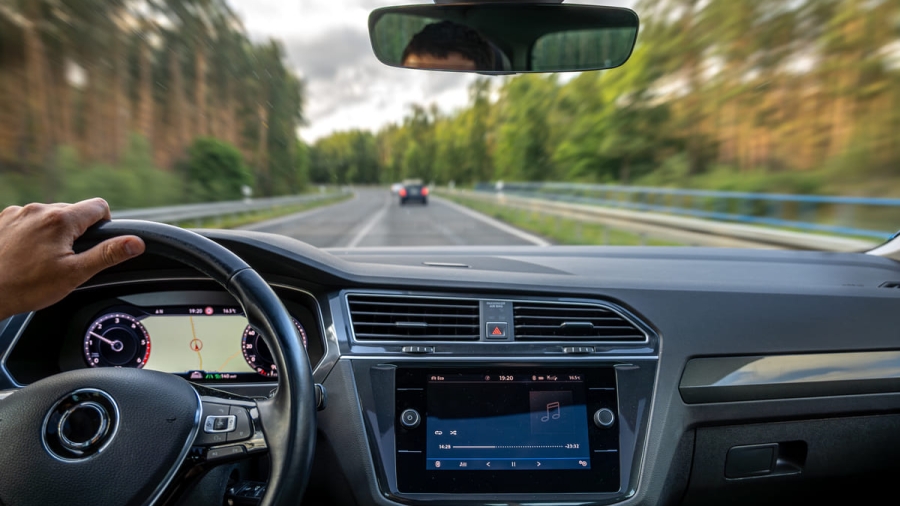
Malaysians spend a lot of time on the road. Traffic, school runs, balik kampung trips. Radio fits right into that, because eyes are on the road and ears are free. Your message gets heard when most other media can’t reach.

2. It feels local and familiar.
Listeners have favourite stations and favourite DJs. When your brand is mentioned on a show they already trust, some of that trust rubs off. A local voice talking about a local business just sounds more believable than a banner ad.

3. It speaks the language of your customers.
With stations in Malay, Mandarin, Tamil and English, you can pick the crowd you want to talk to, instead of broadcasting to everyone and hoping for the best.

4. There’s no skip button.
People can swipe past a social ad in half a second. On radio, your ad plays in the middle of the break, and most listeners stay with it.

5. It builds familiarity through repetition.
Hear a name often enough, and it starts to feel like you’ve known it for years. That’s useful when someone finally needs a dentist, a tuition centre or a second-hand car.

Where Radio Falls Short

We’d be doing you a disservice if we only told you the good bits. Radio has real limits.

  • No visuals. If your product needs to be seen to be understood, like fashion or a new gadget, radio alone won’t do it.
  • Hard to measure exactly. You won’t get a neat dashboard of clicks and conversions. You can track results with promo codes and “how did you hear about us?”, but it’s less precise.
  • It needs repetition. One spot on one morning won’t change much. If you can only afford a tiny, one-off run, your money may be better spent elsewhere.
  • It doesn’t push people to act right away. A listener can’t tap a button. They have to remember your name, then search for you later.

Radio vs Digital: It’s Not a Fight

Many business owners treat this as either-or. It usually isn’t.

Think of radio as the friendly neighbour who keeps mentioning your shop to everyone on the street. Digital is the sales assistant at the door, ready to answer questions and take the order the moment someone steps in. One gets people to remember you, and the other gets them to act.

Put them together, and someone hears your name on the way to work, then sees your Instagram ad that night and taps through. That’s the combination that tends to work best.

Is Local Radio Advertising Still Worth It in Malaysia 01 - Avyan Advertising

What It Looks Like in Real Life

Picture a tuition centre in Klang that wants more sign-ups before the new school term. A few weeks of short radio spots on a local Chinese-language station during the evening drive, with one simple line: “Call us to book a free trial class.” Parents hear the name on the way home, talk about it over dinner, and a few of them search for the centre that night. Nobody clicked an ad, but the name was already familiar when it mattered.

That’s the kind of quiet result radio is good at. It’s not flashy, but it adds up.

Who Should Consider Radio

Local radio advertising is a strong fit if you:

  • Run a local business serving a specific area, like a clinic, tuition centre, restaurant or car dealer
  • Have customers who drive or commute a lot
  • Are launching a new outlet, event or festive promotion and want people talking about it fast
  • Want to build your name in your community, not just collect clicks

Who Might Want to Skip It (For Now)

Radio may not be the best first step if you:

  • Have a very small budget and can only afford a single short run
  • Sell something that needs visuals to make sense
  • Only sell online and need to track every ringgit to the click
  • Serve a tiny niche that doesn’t line up with any station’s audience

None of this means radio is bad. It just means other media might do more for you right now.

How to Tell If It’s Worth It for Your Business

Ask yourself three quick questions:

  1. Do my customers live or drive near me? If yes, local radio makes sense.
  2. Can I run my ad for a few weeks? Radio needs repetition to work.
  3. Do I have a clear, simple message? One offer and one action is all a radio ad needs.

If you answered yes to all three, radio is worth a serious look. If you’re ready to dig into the practical side, our guide on radio marketing strategies walks through timing, frequency and scripts.

Final Thoughts

Radio isn’t flashy, and it won’t replace your social media or Google ads. But for the right business, it’s a steady, trusted way to stay in people’s minds while they go about their day. The trick is knowing whether your business is one of them, and that’s a smaller question than “is radio dead?”

Not sure where your business fits? At Avyan, we’d be happy to talk it through and see if local radio advertising makes sense for your brand and budget. Drop us a message anytime. No hard sell, just an honest opinion.

radio-advertising

Radio Marketing Strategies That Work

How to Win Ears and Influence Listeners

Let’s face it, how recently have you truly tuned in to the radio? Some folks may experience it daily while commuting. Others may experience it while stuck in traffic or while making a brief trip to the grocery store. Radio’s ability to reach people at the most unexpected but ordinary times in their lives is precisely what makes it so magical.

The answer is definitely yes if you’re asking if radio marketing is still important in the era of TikTok and streaming. However, it only works when done correctly, just like any other type of marketing. So, whether you’re a brand manager, small business owner, or just someone looking to find a way to spread the word, let’s talk about the radio marketing strategies that truly work.

Why Radio Still Matters

Before we dive into the strategies, let’s bust a myth: radio is not dead.

Indeed, media consumption has evolved, but radio has also altered. Whether through digital platforms, conventional AM/FM channels, or car infotainment systems, people continue to listen in. Studies show that radio still reaches more than 90% of adults each week. You might be losing out on that huge audience.

Also, people that listen to the radio are usually faithful. Regular listeners of a certain station are likely to trust it, which means they will trust the companies that are promoted on it.

1. Know Your Audience (and Their Favorite Stations)

What is the biggest mistake that companies make when using radio ads? Broadcasting on the wrong station.

Establish your audience’s demographics first, including their age, gender, habits, lifestyle, and even how they travel. Next, pair that profile with a station that reflects their preferences. For instance:

  • Targeting young adults? Try stations that play Top 40 or pop hits.
  • Going for professionals? News talk or business radio could be your sweet spot.
  • Targeting parents? Perhaps a mix station with hours that are conducive to schools.

Do your homework. Many stations offer listener demographics, and some even provide listener surveys.

2. Time It Right: Pick the Right Slots

Not all airtime is created equal.

“Dayparts” are very important in radio lingo. During these periods of the day, listener behavior shifts:

  • Morning Drive (6am–10am): Excellent for brief, memorable advertisements, high listenership, and frequent traffic updates.
  • Midday (10am–3pm): Ideal for retail and leisure advertisements while people are running errands.
  • Afternoon Drive (3pm–7pm): Another busy period with lots of listeners and traffic is the afternoon drive
  • Evening & Late Night: Typically less expensive; may work for campaigns with a tight budget.

Choose peak hours if you have money to spare. If not, consider off-peak hours but make up for it with additional performances.

3. Frequency Is Key

Let’s say it louder for the people at the back: one radio ad won’t cut it.

It’s all about repetition. For a message to stick, people typically need to hear it several times. Therefore, think about running multiple spots at a cheaper cost over a few days or weeks rather than blowing your budget on one or two pricey primetime advertisements. Try to be consistent. You want people to recognize and even anticipate your brand. People begin to remember at that point.

4. Craft a Message That Actually Sounds Good

This one’s important: radio is all about audio. That means no fancy visuals to grab attention—just sound. Your message must therefore be conversational, memorable, and clear. Don’t bother with the technical terms. Talk like a human. Even better, speak like the person you want to reach.

Here are some quick tips:

  • Don’t exceed 30 seconds.
  • Start with the hook and capture interest within the first five seconds.
  • Include a clear call-to-action (e.g., “Visit us today!” or “Call now for 20% off!”).
  • Don’t overpower your message with sound effects or music.

Additionally, get a competent voice actor for the sake of audio quality. It has an impact.

5. Integrate With Other Marketing Channels

Although radio has a lot of power, it functions much better when used alongside a larger strategy. Mention the same deal on your website or social media accounts, for instance, if you’re running a radio ad campaign. Or, to monitor response rates, provide a promo code or unique URL in your advertisement.

Creating a seamless experience is the aim, so when someone opens Instagram after hearing your advertisement in the car, they see the same content.

6. Consider Sponsorships and Promotions

Want a time slot longer than 30 seconds? Consider station sponsorships or promotions.

You could sponsor a traffic report, a weather segment, or even a morning show. These might give your business more legitimacy because they are typically mentioned frequently throughout the show (for example, “Today’s traffic report is brought to you by XYZ Plumbing”). Or organize a contest or giveaway in conjunction with the station. This encourages interaction and presents your brand entertainingly and memorably.

7. Track Results (Yes, It’s Possible!)

One of the biggest myths about radio is that you can’t measure it. Not true!

You can:

  • Make use of radio campaign-specific promo codes.
  • Direct listeners to a custom landing page or phone number.
  • Ask new customers how they heard about you.

Additionally, a lot of stations now offer statistics or assistance in monitoring interaction. Ask away!

Final Thoughts: Radio Isn’t Flashy, But It Works

Although radio marketing isn’t the newest weapon in the toolbox, it can be surprisingly efficient when used strategically. In comparison to certain digital efforts, it provides high-frequency exposure, local targeting, and trusted speakers at a comparatively low cost.

The secret is to approach it strategically, which includes knowing your audience, creating a compelling message, and maintaining consistency. Therefore, don’t write off radio just yet if you want to increase awareness or traffic to your company. It can be the traditional marketing approach your modern brand requires. Ready to amplify your reach? Let’s talk.