
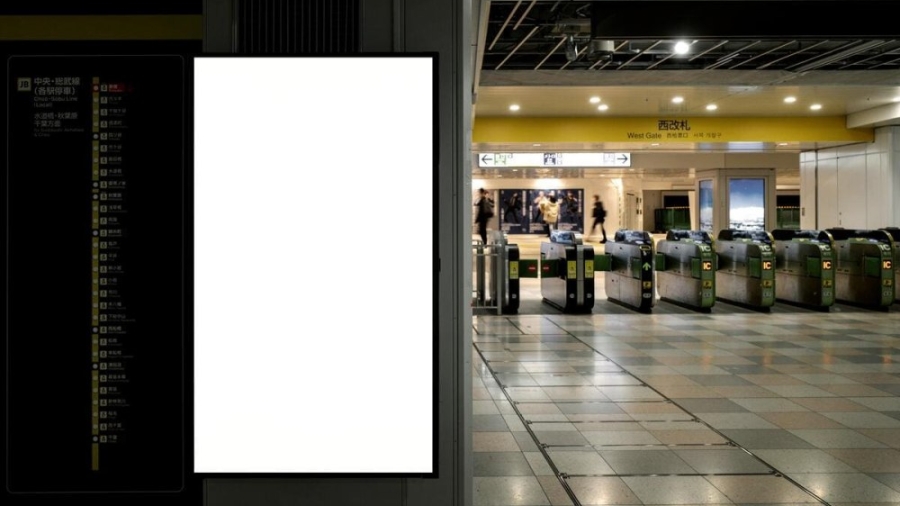
Your Brand, Next Stop: Visibility.
Have you ever been at a train station and wondered, “Hmm… I wonder how much that ad costs?” after glancing at a huge billboard or digital screen? You’re not by yourself. Particularly in Malaysia, train station advertising is one of those things that is quite noticeable but occasionally ambiguous when it comes to cost.This article will help you understand what to anticipate when it comes to train station advertising costs in Malaysia and whether it’s worth the investment, whether you’re a business owner, marketer, or simply interested in how it all works.
Why Advertise at Train Stations Anyway?
Let’s discuss why train station advertisements are important before getting into the prices.
For thousands of people in Malaysia, particularly in the Klang Valley, public transportation is a daily necessity. Consider stations for the KTM Komuter, LRT (RapidKL), MRT, and Monorail. These are hubs for foot traffic as well as transportation. Whether they are tourists, students, or early-morning commuters, there is a captive audience that is simply waiting and staring at whatever is in front of them.
That’s where your brand comes in.
What Affects the Cost?
Here’s what drives the price up (or down):
1. Location, Location, Location
The location of your advertisement is crucial, just like real estate.
With hundreds of thousands of commuters passing through each day, a station like KL Sentral will fetch a higher price. Places with a lot of traffic draw greater attention, which raises the value—and price. Conversely, because of the less intense foot traffic, smaller or suburban stations such as Rawang, Serdang, or Sungai Buloh have significantly lower ad prices. These “under-the-radar” stations may prove to be a financially advantageous choice if members of your target audience come from these regions.
Therefore, consider the movement patterns of your audience when creating your campaign. Are they students? Office workers? Shoppers? Match your ad locations accordingly.
2. Size & Placement
Bigger is, well… usually pricier.
A little lightbox in the corner next to the exit escalator will cost less than a full-wall billboard at the entrance of an MRT station. You will have to spend more money if your advertisement is more noticeable and inevitable. However, placement can also alter the outcome; size isn’t everything. Because visitors must look at it, even a modest advertisement placed directly in front of the ticket machine or escalator can have a big impact.
Therefore, aim for strategic placement rather than just size. A tiny, strategically positioned advertisement can occasionally garner as much attention as a larger, less noticeable one.
Duration of the Campaign
You can anticipate paying more per day than you would if you run it for three months. Because media owners value loyal customers, longer campaigns typically have lower prices. A lightbox ad, for instance, would cost RM8,000 for one month, but if you commit to three months, the total cost could decrease to RM20,000, which would drastically lower the monthly average.
Additionally, longer ads are more effective in increasing brand knowledge. People may overlook your advertisement if it is only available for a week. However, three months? That is repetition because memory is built by repetition.
Time of Year
Timing is everything—especially in advertising.
You should budget a little more if you want to advertise around significant holidays like Deepavali, Chinese New Year, Hari Raya, or even the year-end buying frenzy. The demand for ad space rises during these times due to increases in foot and internet traffic. To secure their places before the holiday rush, some firms even make reservations months in advance. You may wish to include seasonal pricing in your budget estimates if your business is seasonal or does well in specific months.
Pro tip: Think about running ads during the “quiet” months. There might be less competition for your attention and better pricing.
Media Owner/Vendor
Media companies are not all made equal. Certain vendors have the sole permission to advertise in particular train stations or on particular lines, such as KTM, MRT, or LRT. Packages, price structures, and value-added services (such as creative support or reporting) may vary amongst them. Some providers may charge extra, but they will include benefits like help for creative strategies, ad performance data, or multiple format bundling. Others might be less expensive, but they provide simpler, more basic locations.
MRT vs LRT Line
When planning your train station advertising campaign, choosing the right line can make a big difference in visibility and engagement. For example, the MRT Kajang Line passes through highly populated areas, making it ideal for brands targeting commuters in suburban Kuala Lumpur. Meanwhile, the MRT Putrajaya Line connects government and business districts, attracting professionals who may be decision-makers or higher-income audiences. On the LRT side, the LRT Kelana Jaya Line serves busy urban hubs and commercial areas, providing frequent exposure to shoppers and office workers.
Each line varies in foot traffic, demographic, and ad placement costs. MRT stations often carry higher visibility and slightly higher rates due to newer infrastructure and heavy commuter volumes, while LRT stations may offer cost-effective options with targeted reach. Evaluating your campaign objectives, budget, and audience will help you select the station that delivers the best return on investment.
How to Book & Timeline
Booking MRT station advertising or train station advertising with Avyan is straightforward. First, identify the stations and lines that align with your target audience. Once you’ve chosen your locations, Avyan will provide a media proposal, including available billboard sizes, costs, and campaign durations.
Typical campaigns require at least one month to secure the ad space, with setup and approval processes included. From booking to going live, most campaigns run 4–8 weeks depending on location availability. Avyan also assists with artwork specifications, installation, and campaign monitoring, ensuring your ad is displayed correctly and reaches your intended audience. Planning ahead is key—popular stations often have high demand, so early booking guarantees better placement and timing for your brand’s exposure.
Is It Worth It?
Let’s be honest. Advertising at train stations is not cheap, particularly when compared to advertisements on social media. The problem is that it’s not about clicks or quick conversions. It has to do with top-of-mind awareness and brand presence.
Imagine it like a flag being planted: “Hey, we’re here.” And becoming noticed is something we take seriously.”
This type of advertising lends credibility and weight to local companies trying to rule a particular market or to big brands launching nationwide campaigns.
Final Thoughts
In Malaysia, advertising at train stations may seem like a massive investment, and it is. Yet, it can have a significant impact on brand recognition with the correct message, smart timing, and strategic placement.
This can be your next big move if you have the funds and are prepared to move beyond Facebook or Instagram advertisements. Take a glance around the next time you’re waiting at a KL platform or getting on the MRT. People may be staring at your advertisement, and we will make sure they do.