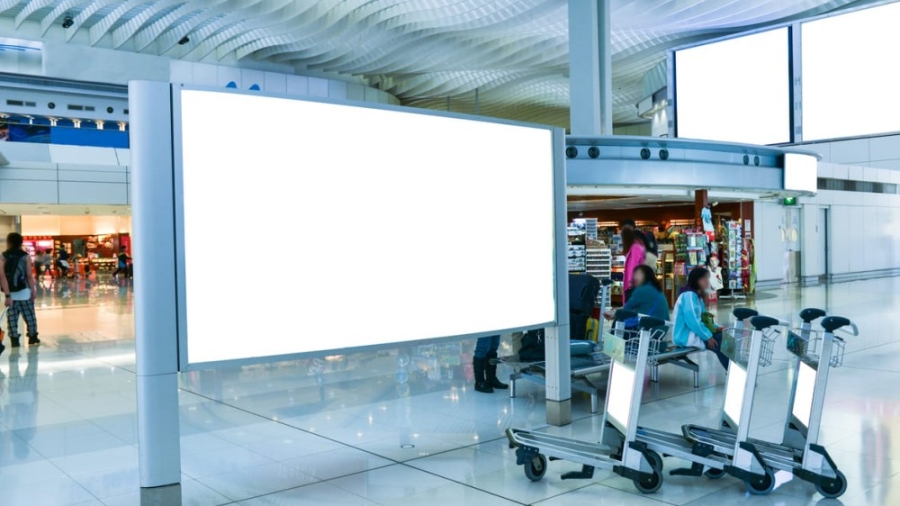
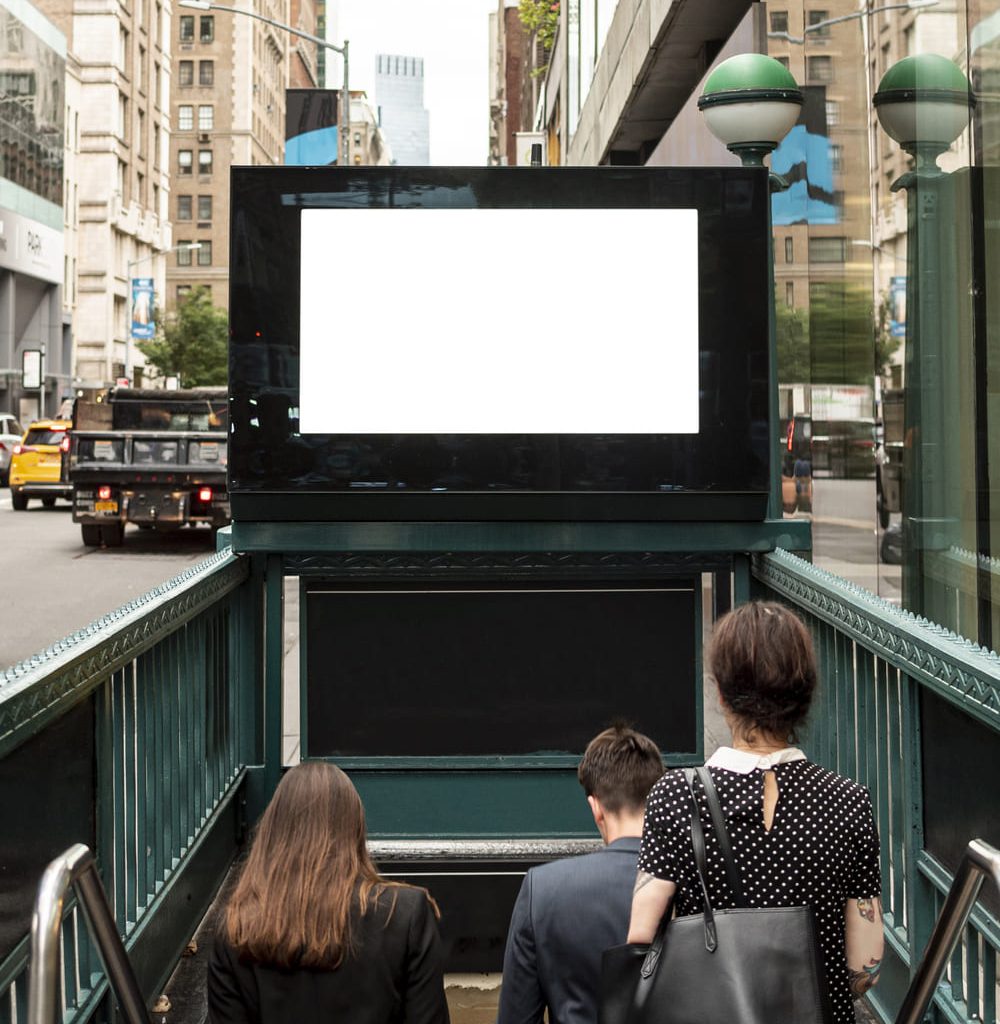
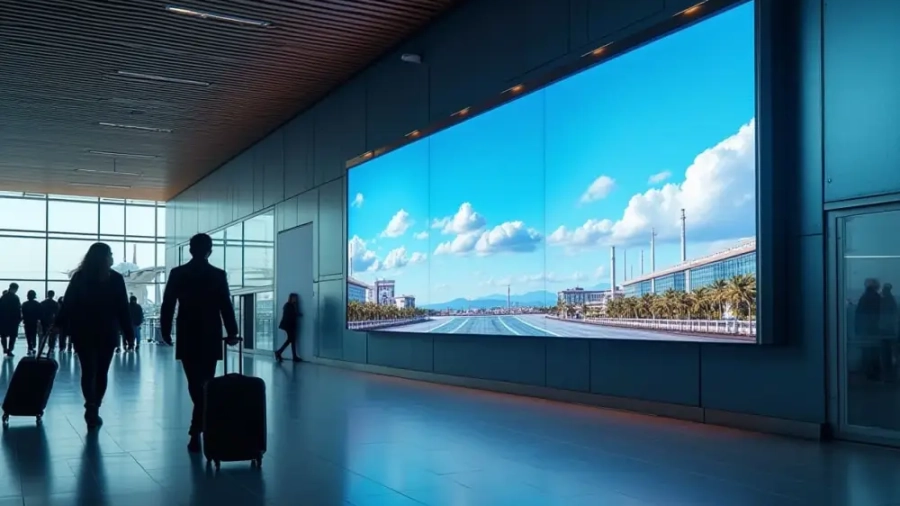
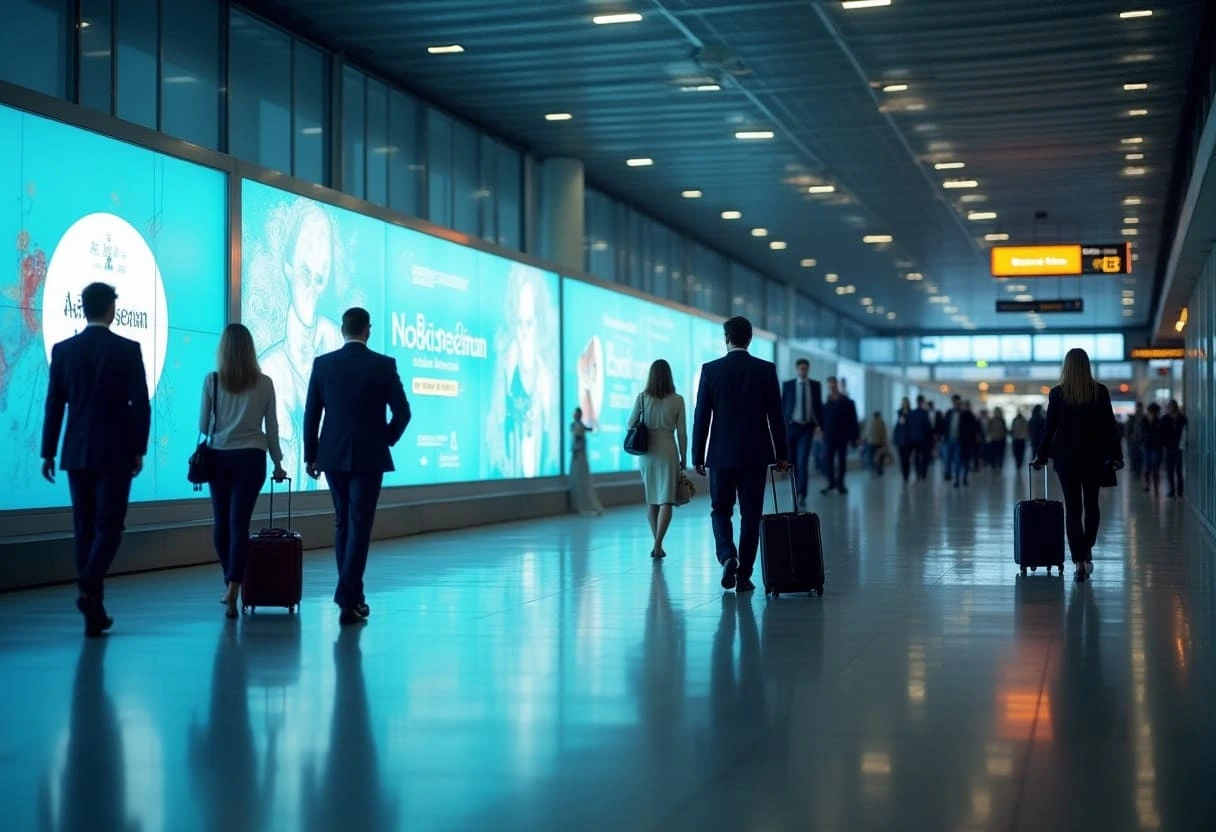
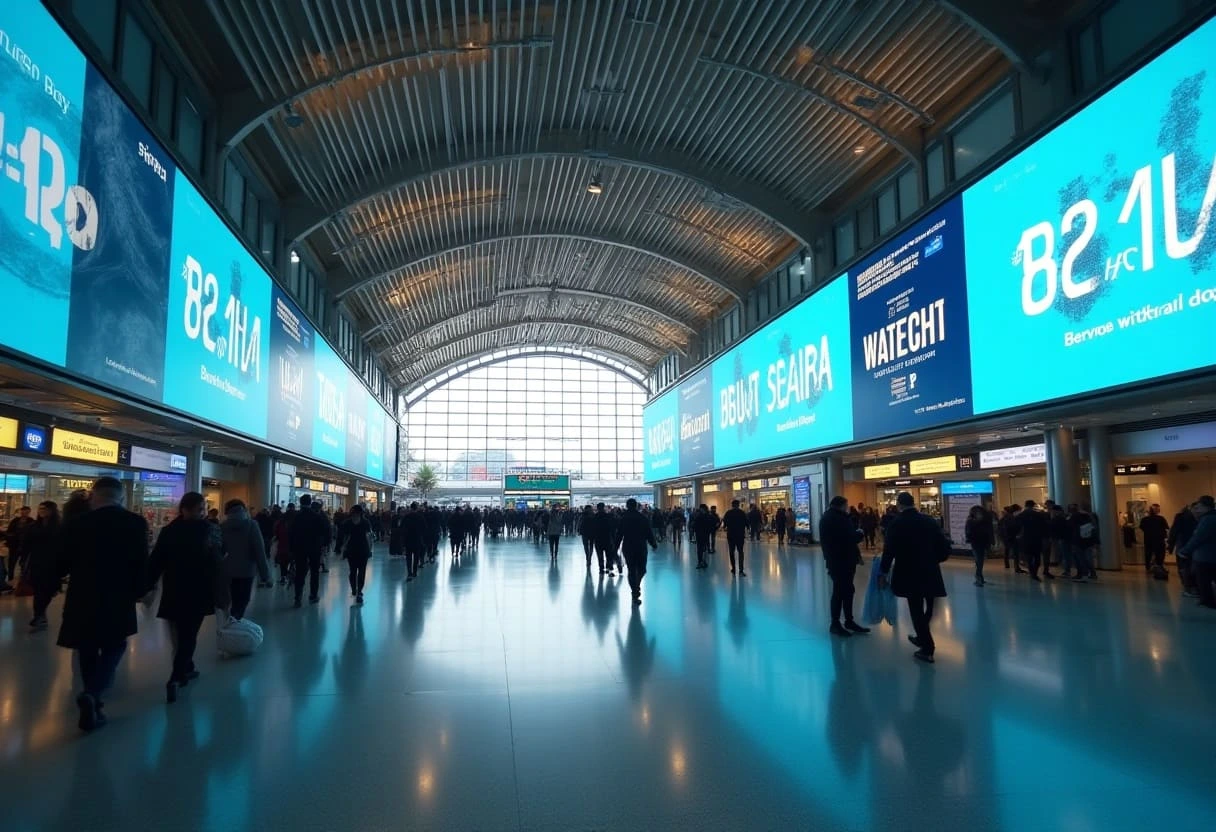
It’s likely that you’ve seen one recently if you’ve driven by a busy highway, visited a mall, or wandered through a city square—a vivid, colorful screen that flashes announcements, advertisements, or movies. These days, you may see digital billboards everywhere. However, what is a digital billboardexactly? Is there more going on behind the scenes, or is it just a more elaborate version of a traditional billboard? This post will explain it to you without using technical terms, whether you’re a business owner considering advertising or just an interested bystander.
The Short Answer:
Let’s get started simply. Instead of utilizing printed posters or paint, a digital billboard is an electrical display that uses LED or LCD panels to present messages or advertisements. A digital billboard can switch between adverts every few seconds rather than remaining still for weeks. Imagine it as a slideshow, but on a big screen that is impossible to miss.
What’s the best part? Everything is managed from a distance. This implies that content can be changed instantaneously and that changing vinyl doesn’t require someone to scale a ladder.
How Is It Different From Traditional Billboards?
You might be thinking, “Okay, so it’s just a screen. What’s the big deal?”
Well, compared to the old-school kind, digital billboards come with a few major advantages:
1. Multiple Messages in One Spot
Regular billboards often display one advertisement at a time for weeks at a time. Six to ten separate advertisements, each rotating every few seconds, can be displayed on a digital billboard during the same time frame.
2. Faster Updates
Have an event or sale at the last minute? Almost instantly, you can post a fresh advertisement to a digital billboard. No waiting, no printing.
3. Animations and Motion
Simple motion graphics or transitions are supported by certain digital billboards, which makes them far more visually appealing than static ones.
4. Targeted Scheduling
To target the correct audience at the right moment, you can only broadcast your advertisement during certain hours of the day, such as lunch breaks or rush hour.
Where Do You Usually See Them?
Digital billboards are popping up everywhere. But here are some of the most common spots:
Highways and major roads – For commuters and drivers
City centers and downtown areas – Lots of foot traffic, lots of eyeballs
Shopping malls and retail hubs – Places where consumers are already in the buying mood.
Airports, bus stops, and train stations – Excellent places to connect with travelers.
Stadiums and event venues – Ideal for intense brand awareness.
Basically, if there’s a screen in a public space and a bunch of people passing by—it’s fair game for digital advertising.
Why Are Businesses Using Them?
The answer to the question of why businesses are moving toward digital is straightforward: flexibility and visibility.
Here’s what businesses love about digital billboards:
1. Real-Time Control
Do you need to alter your advertisement due to a promotion or price reduction? From your laptop, you may quickly replace it. No reprinting. No delay.
2. Better ROI
Multiple advertisers can share a single billboard with rotating slots, which frequently reduces costs per brand while reaching a large audience.
3. High Impact
Let’s be honest: moving screens with vibrant colors simply grab your attention more than paper posters do.
4. Eco-Friendly (Sort of)
There is less physical waste, no paper, and no ink. It is a step in the greener direction, even though electricity is still used.
Are There Any Downsides?
Although digital billboards seem fantastic, there are a few considerations to consider:
Short display time: The duration of your advertisement may be limited to 8–10 seconds.
Shared space: There are other brands on the screen than yours.
Cost: Although digital media can be economical, premium locations and time slots can be costly.
Digital signage may also be subject to city or national rules, particularly those pertaining to brightness, movement, and distraction (particularly in close proximity to roadways).
Who Should Use Digital Billboards?
Almost everybody who wants to increase their exposure, particularly in crowded markets.
Retailers can announce product launches or flash sales.
Restaurants can show off daily specials during meal hours.
Event organizers can create buzz for concerts or shows.
Real estate agents can promote new property listings in high-traffic zones.
Startups and SMEs can look bigger than they are with a strong presence.
What’s the best part? You don’t require a large advertising budget. Depending on the location and duration, several platforms now offer digital billboard spaces for as cheap as a few hundred dollars.
Final Thoughts: Should You Care About Digital Billboards?
In a word: yes—particularly if you work in marketing, run a company, or simply enjoy understanding how advertising operates..
Digital billboards are among the outdoor advertising formats with the greatest rate of growth. They blend the clever adaptability of digital media with the striking visibility of conventional billboards. So the next time you pass by a glowing ad on a city corner, you’ll know exactly what it is—and why it’s there. Want your brand up there next? Let’s make it happen.
TL;DR:
What is a digital billboard? It is a modern, screen-based alternative to classic billboards that enables companies to promote remotely and dynamically. They are adaptable, striking, and everywhere.
Airports are strange places, aren’t they? A mix of hurry and waiting. People rushing to board — but also sitting around for hours. Scanning their phones, sipping overpriced coffee, looking up at the screens around them. That’s exactly why brands love airport spaces.
You’ve probably noticed it yourself — the sleek watch ad by the aerobridge, a tourism board’s dreamy destination visuals near immigration, or a fintech banner right where business travellers queue. These aren’t random placements. They’re part of a well-thought-out strategy.
So, why airport advertising? It’s not just about visibility. It’s about attention. In a place where people are mentally shifting between “leaving” and “arriving,” brands have a unique window — not just to be seen, but to be remembered.
Let’s unpack why this matters, and how smart brands are using airport moments to make lasting impressions.
Captive, Engaged Audiences
Here’s the thing — most ads get scrolled past in seconds. But at airports? People actually look. Not because they’re trying to — but because they’ve got time.
Think about it. You’re early for your flight, checked in, cleared security… now what? You walk. You wait. You glance around. That giant digital screen above the baggage carousel? Suddenly interesting. The floor sticker near your gate? You read it. That’s what makes airport advertising so powerful — you’ve got a captive audience that isn’t rushing past.
And we’re not talking about just anyone. Airport crowds tend to be professionals, frequent travellers, tourists with spending power — the kind of audience many brands are chasing after. It’s one of the few places where even premium brands can get undivided attention.
In short: the setting does half the work. The right message? That seals the deal.
High Dwell Time = High Recall
You know how in most advertising, it’s all about catching attention fast before someone scrolls away or changes the channel? Airport ads flip that logic. People are already there, often for an hour or more — walking around, waiting, sometimes just sitting.
That means your ad isn’t a blink-and-miss moment. It lingers. Gets noticed. Gets remembered.
Let’s say someone sees your brand while walking to the boarding gate… then again at the baggage claim… and one more time at the taxi queue. That kind of repetition sticks — especially when it happens over a calm, slow-paced environment where the brain isn’t overloaded.
So instead of fighting for 2 seconds of attention, airport ads let your message breathe. And that leads to real recall — the kind people still remember after they land.
Premium Surroundings, Premium Feel
Airports aren’t just functional spaces — they’ve become polished, curated environments. From designer shops to sleek lounges, everything feels elevated. And when your brand appears in that setting, it naturally benefits from that premium halo.
Whether it’s a digital screen in the departure hall or a high-impact lightbox near immigration, airport advertising sends a subtle message: This brand belongs here. It shows confidence. Credibility. A certain level of scale and seriousness.
For luxury brands, financial services, tech companies — this is gold. But even for everyday products, the association with a travel mindset (aspiration, progress, movement) adds a layer of meaning that’s hard to replicate elsewhere.
You’re not just running an ad. You’re positioning your brand in a place where people are thinking big, dreaming far, and planning ahead.
Reaching a Valuable, Global Audience
Airports bring together a mix of people you don’t often find in one place — business travelers, tourists, decision-makers, and high-spending families. Whether they’re flying domestic or international, this crowd usually has one thing in common: spending power.
And they’re not just rushing by.
They’re waiting in check-in lines. Standing at baggage claim. Killing time at the gate. All of which means more chances for your ad to be seen, absorbed, remembered.
Unlike other platforms where users scroll past in a second, airport ads benefit from dwell time. When you place your message at a strategic location — like near the arrival gate or just before customs — you’re speaking to a captive, focused audience.
And the reach? It’s not just local. You’re getting brand exposure to people flying in from across the country or even halfway around the world.
When Does It Make Sense to Advertise at Airports?
Airport advertising isn’t just for airlines or travel brands — though it definitely works for them too. It’s actually a strong move for any business looking to:
Build brand prestige. Airports are premium environments. Showing up here puts your brand in a high-trust, high-status space — the kind people associate with international reach and professionalism.
Target business decision-makers. Many frequent flyers are business travellers — which means if you’re B2B or offer corporate services, this is where your audience is.
Reach tourists and locals at once. Whether it’s food & beverage, retail, fintech, or even local events — airport ads give you exposure to both incoming tourists and homegrown travellers in one go.
It’s especially effective if your campaign goal includes brand credibility, top-of-mind recall, or expansion into new markets. Airports give your brand the kind of exposure that feels big, bold, and confident.
Types of Airport Advertising You Can Explore
Airports are packed with ad real estate — and no, it’s not just banners near baggage claim. Here are some popular formats brands often use:
1. Digital Screens
High-traffic areas like check-in halls, boarding gates, and walkways often feature large digital displays. These are perfect for looping videos or eye-catching animations that don’t rely on sound to make an impression.
Good for: Brand storytelling, product launches, event promos
2. Lightboxes & Static Panels
Classic backlit displays along corridors, near escalators, or at waiting lounges. These formats deliver clear brand visuals with high recall, especially in spots where people slow down or queue.
Good for: Logos, slogans, product showcases
3. Baggage Claim Domination
Everyone gathers here. And they wait. That’s why it’s a smart space for visibility — you get undivided attention. You can brand the carousel, walls, or even claim carts.
Good for: Tourism, lifestyle brands, credit cards, F&B
4. Airport Shuttle Wraps
In some airports, shuttles that move passengers between terminals or parking areas can be wrapped with ads — turning them into mobile billboards right within the compound.
Good for: Regional campaigns, transport-related brands, telcos
5. Experiential or Pop-Up Spaces
Depending on the airport’s policies, brands sometimes set up mini booths or sampling areas. A short interaction can leave a lasting memory — especially when it breaks the monotony of transit.
Good for: Skincare, food sampling, tech demos
Airport Advertising Formats in Malaysia
Malaysian airports offer many ways for brands to connect with travelers. Jet bridges and walkways let passengers see visuals clearly as they move toward their gates. Baggage carousels are ideal because travelers stop and wait there, giving full attention to your message. Digital screens in check-in halls, lounges, and boarding gates can display videos or animations that catch the eye. Lightboxes and static panels along corridors or near escalators provide clean, premium visuals that stay in memory.
Using several formats across airports like KLIA, KLIA2, and Senai increases the chances of repeated exposure. The more travelers see your brand during their journey, the more likely they are to remember it. This is another reason why airport advertising is so effective in Malaysia.
Tips to Make Your Airport Ad Campaign Worth It
Not all airport ads hit the mark — but the right strategy can turn your campaign into a high-flying success. Here’s what to keep in mind:
1. Know Your Audience
Are you speaking to business travelers rushing to their next meeting? Or families flying during school holidays? Different airports — and even terminals — attract different types of passengers. The more specific you are, the better your placement.
2. Focus on Simplicity
People are walking, rushing, waiting. You’ve got just a few seconds to leave an impression. So keep your visuals clean, your copy short, and your brand instantly recognizable.
Pro tip: Test your creative from 5–10 meters away. If it doesn’t catch your eye fast, rework it.
3. Play to Emotions
Airports are full of feelings — goodbyes, reunions, excitement, stress. Ads that tap into those moments tend to stick better. You’re not just selling a product, you’re stepping into someone’s journey.
4. Use a Mix of Formats
Don’t rely on just one touchpoint. Combine static with digital, or add a pop-up booth to support your main visual. It’s all about reinforcing recall at different stages of the passenger’s flow.
5. Align with Flight Schedules
Peak visibility doesn’t mean random hours. Think about flight timings — both domestic and international. Morning rush? Red-eye flights? Your content should run when your target is most likely to be there.
So, Why Airport Advertising?
Because it gives you time, space, and attention — three things that are getting harder to earn in today’s fast-scroll world. When someone’s in an airport, they’re not bombarded by 20 open tabs or skipping ads in 5 seconds. They’re waiting. They’re watching. And your brand has a chance to show up in a way that feels premium and intentional.
Whether it’s a bold digital screen near immigration, a full wall wrap at baggage claim, or a product showcase near the lounge — airport advertising puts your brand in front of people when they’re more likely to notice, remember, and engage.
So if you’re ready to be seen by the right crowd, in the right frame of mind — maybe it’s time to take off.
Malaysia Airport Insights
Airports in Malaysia are full of travelers who are exactly the audience brands want to reach. KLIA serves over 50 million passengers every year, while KLIA2 handles travelers flying on low-cost carriers. Senai International Airport connects southern Malaysia and attracts both business and leisure travelers.
Passengers spend time waiting at check-in counters, security, lounges, and boarding gates. That gives your brand a chance to be noticed multiple times during their journey. Ads placed in these spaces are not just seen, they are remembered. Business travelers, tourists, and locals all pass through these airports, bringing attention and spending power in one place.
This is exactly why airport advertising in Malaysia works so well. It gives brands access to a high-value audience in a premium environment. The combination of waiting time, repeated exposure, and professional surroundings helps your message stick. Whether your goal is brand awareness, credibility, or reaching a diverse audience, airports like KLIA, KLIA2, and Senai offer the perfect platform for high-impact campaigns.
Ready to take your brand to the skies?
Let’s chat about how we can craft a powerful campaign tailored to your goals. Get your own airport billboard advertising, we’ll help you stand out — right where it counts.
Like you’re driving, minding your own business, and then — bam — there’s this massive billboard with a giant burger on it. Or maybe you’re in a mall, halfway through window shopping, and suddenly a poster makes you go, “Eh, this one not bad.”
Outdoor ads are sneaky like that. You don’t look for them, but they find you anyway.
And truth is, there’s more to it than just big boards. Got different types of outdoor advertising — some shout loud, some play it cool. Depends on what you wanna say, and to who. So if you’re thinking about putting your brand out there, here’s a little breakdown of what’s what.
You’ve definitely seen them — by the highway, above the traffic light, sometimes so huge it’s like they’re watching you. They don’t move, don’t blink, but somehow, they work. Just big, bold, and always in your face.
These days, not just static print either. Got digital ones now — can change your message every few seconds, update promos, show countdowns, all that jazz. Kinda like having a giant screen for your ad.
When to use them? Honestly, when you want people to remember you.
Mass branding – Like those telco or bank ads that seem to be everywhere. People might not engage, but they remember the name.
Product launches – If it’s new and you want a big splash, go big. Billboard big.
Event countdowns – Got a concert, sale, opening? Count it down, loud and clear.
Top-of-mind – Not selling anything urgent? Still want to be seen? This helps you stay in their heads.
Transit Advertising: On-the-Go Visibility
Ever stuck in traffic, then you look out the window and see a full-wrapped bus with an ad so colourful you can’t not stare? Yup — that’s transit advertising.
It’s ads on the move — buses, LRT trains, taxis, even e-hailing cars. You’re literally turning vehicles into moving billboards. And the best part? It travels through different parts of the city, so more people get to see it.
This one works well when:
You want city-wide exposure – Instead of one fixed location, the ad goes jalan-jalan around town.
You’re targeting commuters – Think daily workers, college students, or even tourists stuck in Grab rides.
You want multiple impressions – People might see your ad again and again without even realising it. That’s the magic.
And let’s be honest, when the design is catchy, people do take notice. Maybe even snap a pic.
Mall Advertising: Close to Buying Moments
Now this one’s underrated.
Think about it — when people are in malls, they’re already in the mood to spend. So when they’re queuing for Gong Cha or riding the escalator, and they see your brand on a lift wrap or digital screen… that’s good timing.
Mall ads come in all shapes — escalator panels, wall stickers, lift doors, even the screens near the toilets (yeah, that works too). And the crowd? Super diverse — from aunties doing groceries to Gen Z hunting for deals.
Great for:
Retail or F&B brands – Promoting a store inside the mall? Even better.
New product teasers – Drop a hint, build curiosity, let them explore.
It’s not just about showing your brand — it’s about showing up when people are most ready to engage.
Train Station & MRT Advertising: Captive Eyes
Ever noticed how people zone out and start looking around while waiting for the train? That’s your window. Train station and MRT advertising captures attention in those idle moments — turning waiting time into brand time.
From platform screen doors, escalator wraps, digital panels, to wall-mounted ads, you can fully dominate high-traffic areas in some of the busiest parts of the city. These ads don’t just get noticed — they get remembered, especially by daily commuters who see them again and again.
Use case:
Tech or app launches: Perfect for reaching the always-connected commuter crowd who are likely to whip out their phones instantly.
University or lifestyle brands: Tap into younger audiences or professionals heading to and from city campuses and offices.
Public service campaigns: Need to raise awareness fast? MRT ads are excellent for wide and repeated reach across age groups.
Digital LED Screens: Big, Bright & Dynamic
This one’s for those who want to make a loud splash.
Digital LED billboards aren’t like the old-school print ones. They move. They glow. They tell a story. You can show product shots, videos, countdowns — and even rotate messages by time of day.
You’ve probably seen them near busy intersections or outside malls — those big, glowing screens playing ads in a loop.
Use it when:
You want to grab attention instantly – Moving visuals naturally pull the eye.
You’ve got time-sensitive offers – Rotate promos or time-limited campaigns throughout the day.
You want to look premium – LED screens have that sleek, modern feel.
It’s perfect for brands that want to appear fresh, bold, and always in motion.
Choosing the Right Outdoor Ad – It’s Not One-Size-Fits-All
There’s no single “best” type of outdoor advertising — it really comes down to who you want to reach, where they are, and what you want them to do. If your goal is brand recall across the whole city, go big with billboards or transit wraps. If you’re aiming for shoppers ready to spend, mall media or digital panels could do the trick.
And if you’re after consistent visibility with a commuter crowd, MRT station ads are a solid bet. The key? Matching your message to the right space — and making it feel like it belongs there.
Final Thoughts
Outdoor advertising isn’t just about putting up an ad and hoping people see it. It’s about creating smart placements that catch attention at the right moment — whether it’s while someone’s stuck in traffic, riding the train, or queuing for bubble tea in the mall.
At Avyan, we help brands find those moments and turn them into something memorable. If you’re exploring different types of outdoor advertising, let’s chat — we’ll help map out a strategy that fits your goals, budget, and audience.