
The Billboard Got a Glow-Up
It’s likely that you’ve seen one recently if you’ve driven by a busy highway, visited a mall, or wandered through a city square—a vivid, colorful screen that flashes announcements, advertisements, or movies. These days, you may see digital billboards everywhere. However, what is a digital billboard exactly? Is there more going on behind the scenes, or is it just a more elaborate version of a traditional billboard? This post will explain it to you without using technical terms, whether you’re a business owner considering advertising or just an interested bystander.
The Short Answer:
Let’s get started simply. Instead of utilizing printed posters or paint, a digital billboard is an electrical display that uses LED or LCD panels to present messages or advertisements. A digital billboard can switch between adverts every few seconds rather than remaining still for weeks. Imagine it as a slideshow, but on a big screen that is impossible to miss.
What’s the best part? Everything is managed from a distance. This implies that content can be changed instantaneously and that changing vinyl doesn’t require someone to scale a ladder.
How Is It Different From Traditional Billboards?
You might be thinking, “Okay, so it’s just a screen. What’s the big deal?”
Well, compared to the old-school kind, digital billboards come with a few major advantages:
1. Multiple Messages in One Spot
Regular billboards often display one advertisement at a time for weeks at a time. Six to ten separate advertisements, each rotating every few seconds, can be displayed on a digital billboard during the same time frame.
2. Faster Updates
Have an event or sale at the last minute? Almost instantly, you can post a fresh advertisement to a digital billboard. No waiting, no printing.
3. Animations and Motion
Simple motion graphics or transitions are supported by certain digital billboards, which makes them far more visually appealing than static ones.
4. Targeted Scheduling
To target the correct audience at the right moment, you can only broadcast your advertisement during certain hours of the day, such as lunch breaks or rush hour.
Where Do You Usually See Them?
Digital billboards are popping up everywhere. But here are some of the most common spots:
- Highways and major roads – For commuters and drivers
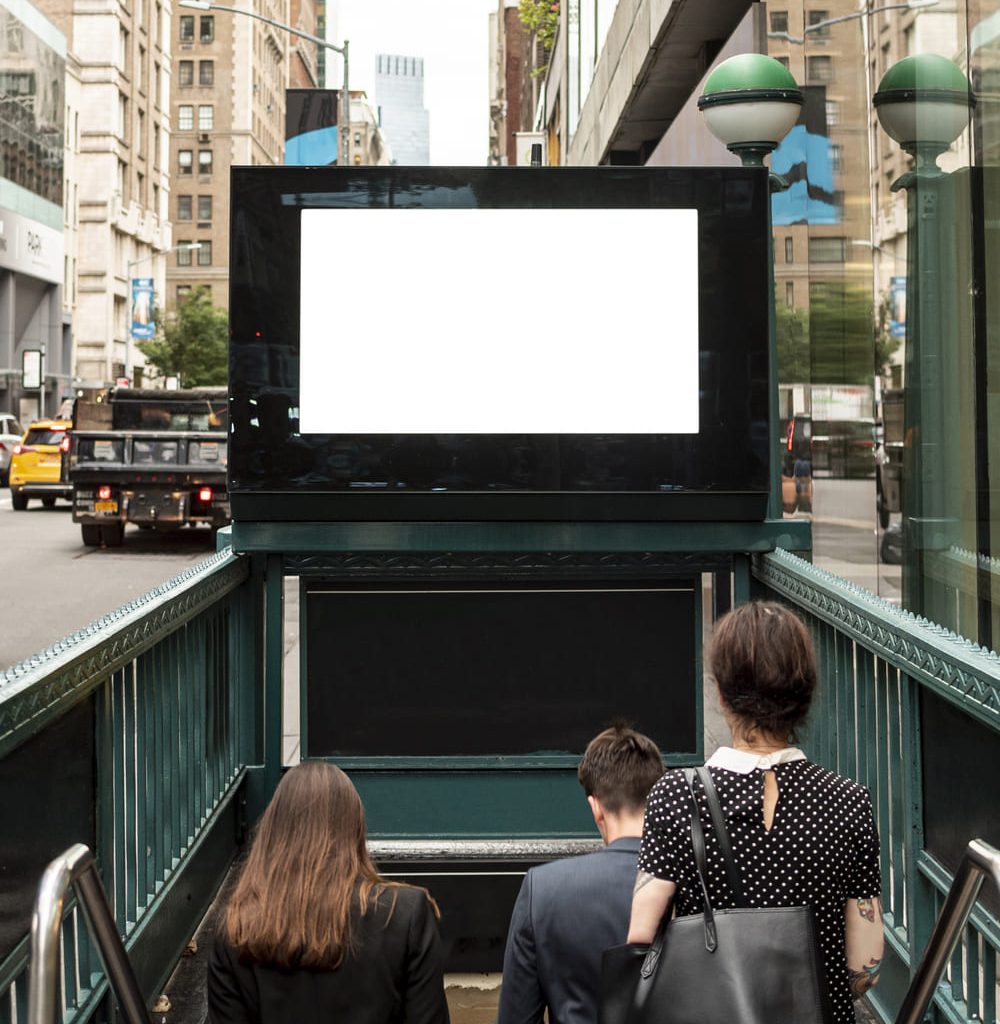
- City centers and downtown areas – Lots of foot traffic, lots of eyeballs
- Shopping malls and retail hubs – Places where consumers are already in the buying mood.
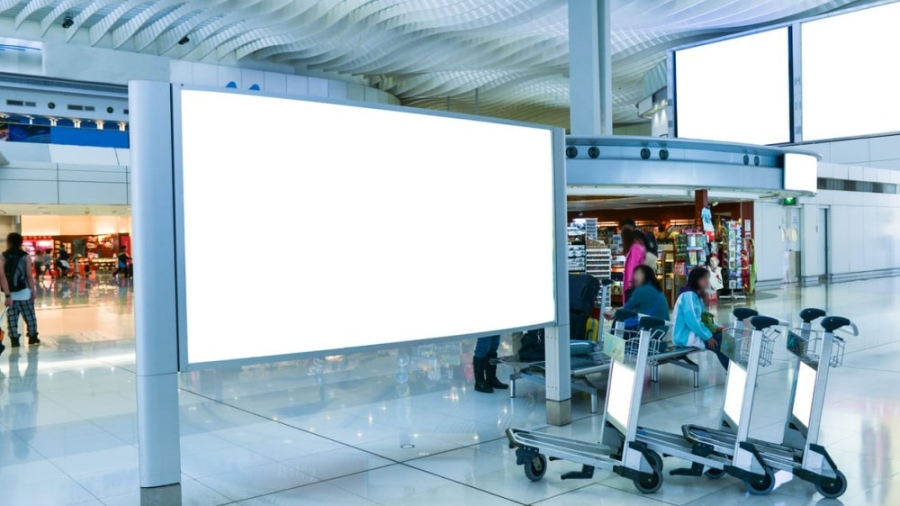
- Airports, bus stops, and train stations – Excellent places to connect with travelers.
- Stadiums and event venues – Ideal for intense brand awareness.
Basically, if there’s a screen in a public space and a bunch of people passing by—it’s fair game for digital advertising.
Why Are Businesses Using Them?
The answer to the question of why businesses are moving toward digital is straightforward: flexibility and visibility.
Here’s what businesses love about digital billboards:
1. Real-Time Control
Do you need to alter your advertisement due to a promotion or price reduction? From your laptop, you may quickly replace it. No reprinting. No delay.
2. Better ROI
Multiple advertisers can share a single billboard with rotating slots, which frequently reduces costs per brand while reaching a large audience.
3. High Impact
Let’s be honest: moving screens with vibrant colors simply grab your attention more than paper posters do.
4. Eco-Friendly (Sort of)
There is less physical waste, no paper, and no ink. It is a step in the greener direction, even though electricity is still used.
Are There Any Downsides?
Although digital billboards seem fantastic, there are a few considerations to consider:
- Short display time: The duration of your advertisement may be limited to 8–10 seconds.
- Shared space: There are other brands on the screen than yours.
- Cost: Although digital media can be economical, premium locations and time slots can be costly.
Digital signage may also be subject to city or national rules, particularly those pertaining to brightness, movement, and distraction (particularly in close proximity to roadways).
Who Should Use Digital Billboards?
Almost everybody who wants to increase their exposure, particularly in crowded markets.
- Retailers can announce product launches or flash sales.
- Restaurants can show off daily specials during meal hours.
- Event organizers can create buzz for concerts or shows.
- Real estate agents can promote new property listings in high-traffic zones.
- Startups and SMEs can look bigger than they are with a strong presence.
What’s the best part? You don’t require a large advertising budget. Depending on the location and duration, several platforms now offer digital billboard spaces for as cheap as a few hundred dollars.
Final Thoughts: Should You Care About Digital Billboards?
In a word: yes—particularly if you work in marketing, run a company, or simply enjoy understanding how advertising operates..
Digital billboards are among the outdoor advertising formats with the greatest rate of growth. They blend the clever adaptability of digital media with the striking visibility of conventional billboards. So the next time you pass by a glowing ad on a city corner, you’ll know exactly what it is—and why it’s there. Want your brand up there next? Let’s make it happen.
TL;DR:
What is a digital billboard? It is a modern, screen-based alternative to classic billboards that enables companies to promote remotely and dynamically. They are adaptable, striking, and everywhere.