
Before You Book a Station, Ask This First
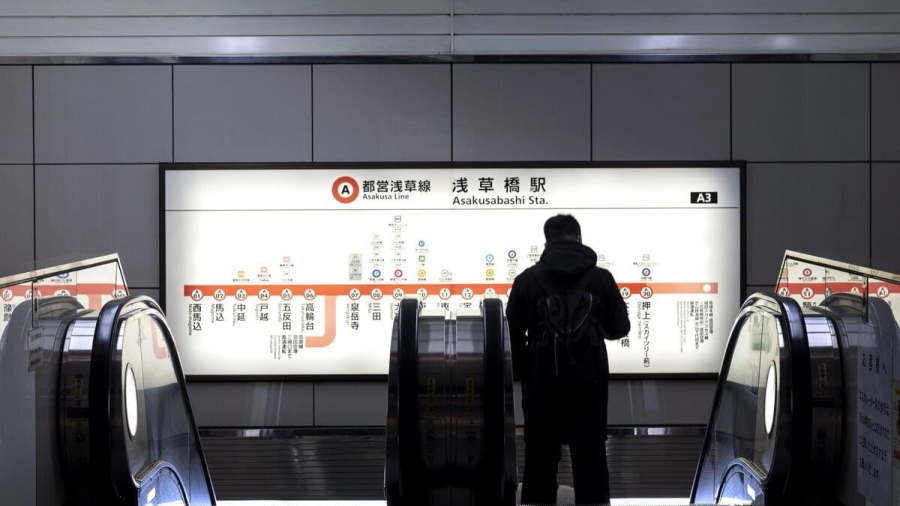
It’s 8.15am. The platform is packed, the train is delayed by two minutes, and everyone is doing the same thing: staring at their phone, then staring at the wall, then staring at their phone again. Whatever is on that wall gets seen. A lot.
That’s the big promise of LRT & MRT advertisement. But “gets seen” and “gets results” aren’t always the same thing. So before you put your budget on a station wall, let’s look at where train ads really shine, where they don’t, and how to tell if they fit your brand.
Where Train Ads Win
1. People have nothing else to do.
A commuter waiting for a train has a few spare minutes and often nothing to do with them. That’s a rare moment when your message isn’t competing with ten other tabs.
2. The same faces see you again and again.
Many people take the same route every day. By the second week, your brand stops feeling like a stranger. That kind of repeat exposure is hard to buy on a feed.
3. You can pick your neighbourhood.
Choose stations near your outlet or near the crowd you want, and your message lands where it matters, not across the whole country.
4. It’s hard to scroll past.
You can’t swipe away a wall panel. Your ad is simply there, every single day, for as long as the campaign runs.
5. It builds trust by being visible.
Brands that show up in the everyday spaces of the city tend to feel more established. Familiarity makes people more comfortable when it’s time to choose.
Where Train Ads Fall Short
Let’s be fair. They aren’t perfect, and pretending otherwise won’t help you.
- No instant click. A passer-by can’t tap your ad and buy. They have to remember you, then search for you later.
- Measuring is indirect. You won’t get a neat dashboard. You can still track with QR codes, promo codes and “how did you hear about us?”, but it’s less exact than digital.
- Attention is short. People are moving, chatting or on their phones. If your design needs more than a few seconds to understand, it gets lost.
- Busy doesn’t always mean right. A crowded station is only valuable if the crowd looks like your customers.
- One short run won’t do much. Like most traditional media, it works through repetition, not a single burst.
What It Can Look Like in Real Life
Here’s a made-up example, just to show how it might play out. Imagine a small cafe, “Kopi Sudut”, near a busy office district station. The owner wants more weekday lunch crowd. She puts a simple panel on the platform nearest the cafe: a photo of her signature nasi lemak, big text, and a QR code for a lunch set discount.
Nobody scans on the first day. But over a few weeks, office workers start recognising the cafe. Some scan the QR code. Others just walk in at lunch and say, “I keep seeing your ad.” Some of the best results were never tracked at all, they just show up as more feet through the door.
(The cafe, the offer and the story are fictional, so please don’t treat them as real results.)
Who Gets the Most Out of It
LRT & MRT advertisement tends to be worth it if you:
- Run a business near a station, like a cafe, clinic, gym or tuition centre
- Are launching a new outlet, property project or event and want fast local awareness
- Sell to daily commuters, such as office workers, students and young families
- Want to build your name over time, not just chase clicks this week
- Can keep the ad running for a few weeks or more
Who Might Want to Skip It (For Now)
It may not be the best first move if you:
- Only sell online and need to track every ringgit to the click
- Have a very small budget and could only afford a few days of exposure
- Target a tiny niche that doesn’t ride the train
- Have a message that is long and complicated, and can’t be boiled down to a line or two
- Serve customers far from any station
That’s not a failure, just a sign that another channel may do more for you right now.
Train Ads vs Other Media: Different Jobs
Think of it this way. A train ad is like the signboard on the busiest street in town. Everyone walks past it, and over time they just know your name. A digital ad is more like someone tapping you on the shoulder with an offer right now. Both are useful, but they do different jobs.
That’s why many brands pair them. Someone sees your ad on the platform in the morning, spots your mall display on the weekend, then gets a reminder on social media. By the third time, you’re a familiar name. If cost is what you’re wondering about, our page on train advertising cost is a good place to start.
Five Questions to Check Your Fit
Ask yourself:
- Do my customers commute by train, or live and work near a station?
- Can I say what I want to say in one short line?
- Can I run the ad for a few weeks, not just a few days?
- Do I have a simple way to track, like a QR code or promo code?
- Am I looking to build familiarity, not just get instant clicks?
If you said yes to most of these, train ads are worth a serious look. If you said no to most, a different channel may suit you better, at least for now.
The Verdict: Worth It, With the Right Plan
So, is it worth it? For brands whose customers travel by train, and who are willing to be patient and keep their message simple, yes, quite often. For brands that need instant, trackable sales, it works better as one part of a bigger plan than as the whole plan.
Not sure which side you’re on? The team at Avyan is happy to look at your business and give an honest opinion on whether LRT & MRT advertisement makes sense for you. Drop us a message anytime. No hard sell, just a straight answer.