
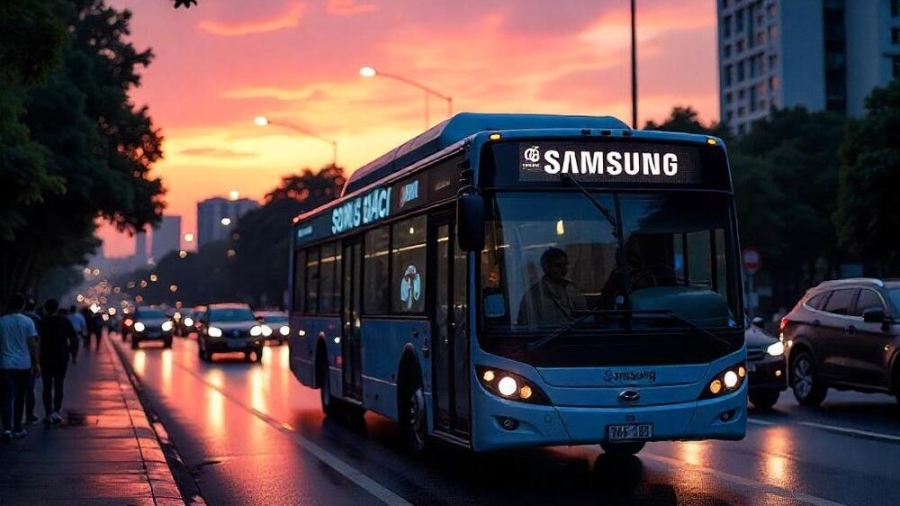
Ever Noticed That Bus Ad?
You’re stuck in traffic, maybe scrolling your phone, maybe just spacing out—and then this giant burger zooms by on the side of a bus. Or maybe it’s an ad for a tuition center, a new bubble tea shop, or even a dentist in your neighborhood.
Whether you realized it or not, that’s transit advertising. It’s the kind of marketing that doesn’t sit quietly on a screen—it moves, just like us.
So what is transit advertising really, and why do so many brands love using it? Let’s break it down.
So, What Is Transit Advertising?
Transit advertising is just what it sounds like—ads placed on or around public transportation. It shows up on:
- Buses, trains, and taxis
- Inside MRT or LRT cabins
- At bus stops and train platforms
- Airport terminals
- Even ride-hailing cars like Grab
Basically, if people are using it to get from one place to another, chances are someone’s found a way to stick an ad on it.
Why Do Brands Use Transit Ads?
It’s easy to say “visibility”—but ”that doesn’t really capture the whole picture. Transit ads work not just because people see them, but because of how and where they see them.
Let’s go deeper.
1. They’re Part of Daily Life
Transit ads aren’t stuck in one place. They move through your city, your route to work, and your weekend jalan-jalan spot. A bus from Subang to KL isn’t just a bus—it’s a moving billboard that passes homes, shops, mamak stalls, and offices.
When people see your brand again and again in familiar places, it starts to stick—not in an annoying way, but more like, “Oh yeah, I’ve seen this before.”
2. They Catch You in Quiet Moments
You know those pockets of time—waiting for the LRT, stuck in a jam, lining up at the bus stop. Your phone might be in your hand, but your eyes still wander. That’s when a clever ad on the side of a train or taxi can actually get your attention.
And let’s be honest, sometimes we read those ads just to pass the time. It’s like urban wallpaper with a purpose.
3. They Feel Local
Let’s say you’re running a clinic in PJ. You probably don’t need your ad to reach people in Penang, right? Transit advertising lets you target your area.
A few buses looping through neighborhoods near your shop can do more for your brand than a thousand random clicks online. It feels grounded. Relevant.
4. They’re Not In-Your-Face
Unlike those pop-up ads that interrupt your video or the ones you scroll past on Instagram, transit ads are just… there. No pressure. No “Skip in 5 seconds.”
They blend into the commute, into the city—but they still stand out enough to be remembered. A good transit ad doesn’t shout. It waves.
5. They’re Surprisingly Affordable
Most people assume outdoor advertising is for big brands only. But transit options can be budget-friendly, especially for small businesses. You can choose the routes, locations, and even the size of your campaign.
And the best part? You’re reaching real people in real places—not just clicks on a screen that may or may not be real humans.
6. They Work with Other Marketing
Transit advertising isn’t something you use instead of digital. It actually works with it.
Think of it this way: someone sees your ad on a train, then later spots your post on social media. The second time, it feels more familiar. That combo—online and offline—is what makes a message stick.

Still Relevant in the Digital Age?
Absolutely. In fact, maybe now more than ever.
Sure, we’re all online all the time. But we’re still moving through cities. We still take the train, wait for buses, and hop into Grab rides. And in those in-between moments—eyes off the screen, minds wandering—transit ads become part of the background we actually notice.
Plus, there’s something trustworthy about seeing a brand “out there” in the real world. It feels established. Solid.
Who Should Use Transit Ads?
You don’t have to be a giant brand with a giant budget. Transit ads make sense for:
- Local cafés or restaurants
- Clinics, tuition centres, or service shops
- Real estate projects
- Concerts, roadshows, local events
- Colleges or training centres
Basically, if you want to get the word out to people in a specific area—and do it in a way that feels natural—transit ads are worth considering.
Final Thoughts: Marketing on the Move
So the next time someone asks, “What is transit advertising?” — you’ll know it’s not just some poster stuck on a bus or train. It’s a way for brands to quietly show up in everyday life. No loud interruptions, no hard sells—just a steady presence moving through the same streets, same neighborhoods, and same routines as the people you’re trying to reach.
It’s not flashy. But it works. Because when your message becomes part of someone’s daily journey, it starts to feel familiar—even trusted.
If you’ve been thinking about how to get your brand out there in a way that feels natural, maybe this is worth exploring. No pressure—just reach out if you feel like chatting. We’re happy to walk you through it and see if it’s something that could work for you.