Comparison between digital and traditional advertising in Malaysia, featuring social media, billboards, and radio ads.

Comparing Digital vs Traditional Advertising in Malaysia

(Which One Actually Works for You?)

Ever feel like you’re drowning in ad options?

You’ve got billboards glowing at intersections, influencers dancing on your phone screen, radio ads humming in the car, and Google following you around with the same promo. It’s a lot. And if you’re running a business in Malaysia, especially now, you’re probably wondering, should I go digital or stick with the old-school stuff?

The answer? Depends. Let’s break it down, plain and simple.

What Digital Advertising Looks Like (Here at Home)

When we say digital, most people think Facebook, Instagram, or maybe Google. But there’s more.

From LED screens on highways to the familiar “skip ad” button on YouTube, digital is everywhere. Even your Lazada app is full of it.

Working with a Google advertising company or a social media advertising company usually means fast results, detailed targeting, and flexible budgets. You want to reach working adults in KL who are interested in skincare and shop online after 9PM? Can.

Digital lets you

  • Set your budget (daily or total)
  • Launch fast (same day, even)
  • Track who’s clicking, buying, or just ignoring

And if something doesn’t work? You tweak and try again.

But here’s the catch: digital ads don’t last. You stop paying, and they disappear. Plus, you need fresh creatives—photos, videos, and captions—all the time. Otherwise, people scroll past without a second glance.
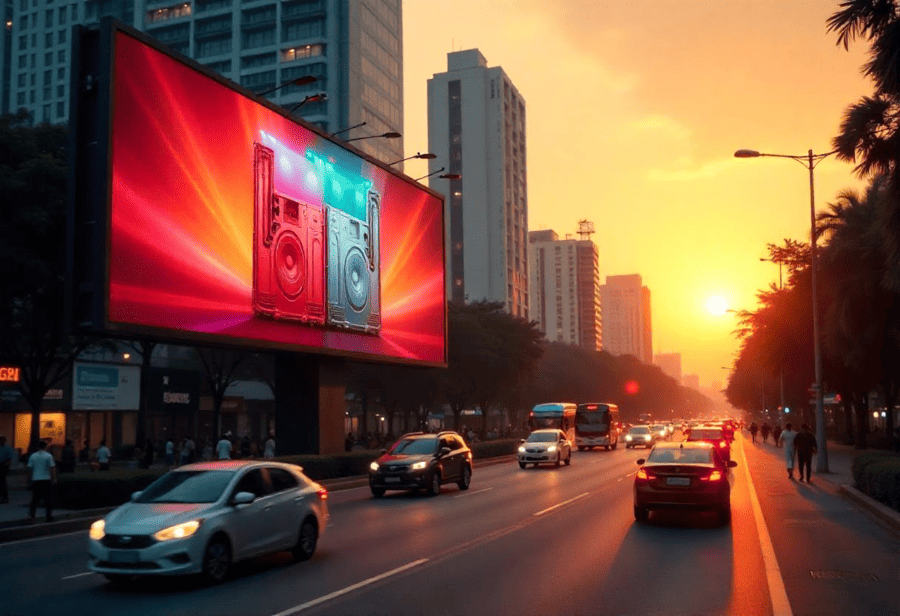
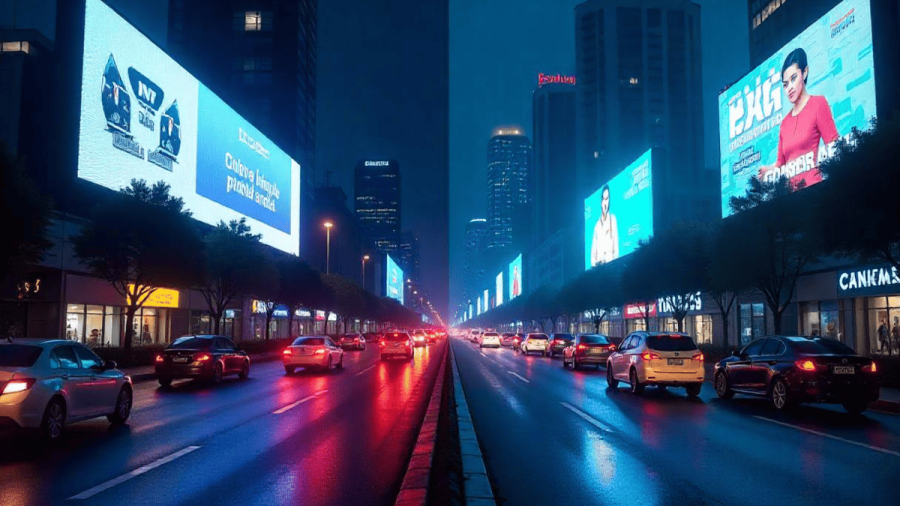
Digital billboard advertising in Kuala Lumpur with vibrant city traffic.

Traditional Ads: Still Kicking, Still Effective

Don’t write off the classics.

Let’s say you’re heading home from work and see a huge LED board near KL Sentral promoting a new drink. You notice it. Maybe you’ll even remember it tomorrow. That’s digital billboard advertising, but done the old-school way—placed strategically in high-traffic spots.

Or maybe you’re in a Grab, and the driver turns up the radio. A jingle plays. It’s catchy. You’re humming it later without even realizing it. That’s a radio commercial in Malaysia doing its job.

Then there’s cinema advertising—those ads before the movie starts at GSC or TGV. Still powerful. Still relevant.

Traditional media gives you:

  • Big impact (especially in public)
  • Higher trust (especially with older Malaysians)
  • More visibility in offline environments

The downside? It’s less targeted and sometimes more costly upfront. A radio station advertising cost varies depending on the station and time slot. A 30-second ad on a top station during rush hour? Not cheap—but you’re reaching thousands in one go.

A Quick Side-by-Side View

CriteriaDigital AdvertisingTraditional Advertising
SpeedAlmost instantNeeds prep time
Targeting Very specific (age, interests, habits)Broad (by location or station)
Tracking Yes, detailed metricsLimited or estimated
CostFlexible, pay-as-you-goOften fixed, per campaign or month
ExamplesGoogle, social media, digital billboardsRadio, TV, cinema, static billboards

Let’s Talk Local Strategy

Imagine this:

You’re launching a new health drink. You could:

  • Run Instagram ads targeting 18–30-year-olds in Klang Valley with fitness interests
  • Place a digital billboard in Bukit Bintang for visual impact
  • Book a radio commercial in Malaysia on ERA or Hitz.fm during morning drive time
  • Drop a short cinema ad before Marvel’s next blockbuster

All of the above? That’s a full campaign.

But let’s say you’re a small café in Ipoh with a tight budget. A simple radio ad, some social media posts, and maybe a bus ad near the pasar malam might do the trick. No need to go full-blown nationwide.That’s the beauty of knowing the difference. A good advertising company doesn’t just throw options at you—they help you mix and match what makes sense for your brand.

Radio commercial in Malaysia being recorded live at a local station.

So… Digital or Traditional?

Here’s the honest answer: both work.

Digital is great if you want fast, trackable results and more control over your spending. Traditional is still unbeatable for building long-term presence and mass awareness—especially in places where digital doesn’t fully reach.

If you’re just starting out, digital may be more forgiving. But if you’re already established, combining both can be really powerful.

Our advice? Don’t choose based on trends—choose based on your goals.

Need Help Deciding? We Got You.

At Avyan Advertising, we work with brands big and small to find what fits best—whether it’s cinema advertising, a bold digital billboard, or a clever Google campaign. You don’t need to know everything. That’s what we’re here for.

Tell us what you want to achieve, and we’ll build the plan around that—smart, local, and tailored to how Malaysians actually live, shop, and scroll.
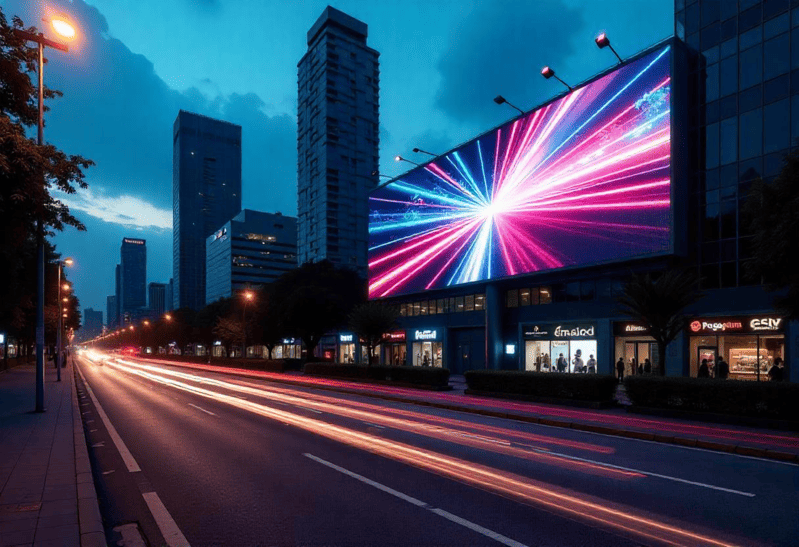
Different types of advertising mediums across Malaysia shown creatively on a map background

How to Choose the Right Advertising Medium in Malaysia

Not Sure Where to Advertise? Let’s Break It Down Properly

When you’re trying to get the word out about your business, picking the right advertising medium can feel a bit overwhelming. Should you go for a billboard? Maybe digital? Or would a good old radio ad do the trick?

The truth is, in Malaysia—with its mix of urban and rural audiences, different languages, and all kinds of businesses—there’s no single “best” platform. It all depends on who you want to reach, where they spend their time, and what kind of message you’re trying to deliver. Let’s go through some of the main types of advertising space in Malaysia and when they actually make sense for your brand.

1. Digital Billboard Advertising Malaysia—Eye-Catching in the City

If your customers are in busy areas like KL, Penang, or JB, digital billboard advertising is a powerful option. These screens are hard to miss—they light up highways, intersections, and shopfronts, running animated visuals that change by the hour.

You can promote sales, events, or even countdown campaigns. The flexibility is great. But these spots aren’t cheap, so you’ll want to make sure the content is sharp and that you’re working with a digital billboard company that knows how to plan and place your campaign well.

2. Outdoor Billboard Advertising—Steady, Reliable, and Always On

While digital is flashy, outdoor billboard advertising still has its place. Especially along highways or in towns where digital screens haven’t taken over yet. They’re 24/7, static, and great for building brand awareness over time.

Say you’re a food brand entering a new market or a local clinic opening a new branch—a well-placed billboard can quietly do the heavy lifting. No swiping, no skipping—just good, old-fashioned visibility. At Avyan, we help you find those high-traffic locations and match your message to the right environment. It’s not just about putting your face on a board—it’s about putting it where it matters.

3. Radio Advertising Malaysia—Old but Gold

A lot of people assume radio is dying—but in Malaysia, it’s still going strong.

Especially during rush hour or while running errands, folks tune in daily. That’s why radio advertising in Malaysia still makes sense, especially for brands targeting suburban or regional areas. You’ve got stations in Bahasa Malaysia, Chinese dialects, and Tamil—so you can really personalize your message.

And if you’re a local business—like a car dealership, tuition center, or F&B outlet—local radio advertising is surprisingly effective. It’s budget-friendly, fast to produce, and helps build familiarity. You hear a name a few times on the way to work—it sticks.

4. Cinema Advertising Malaysia—No Distractions, Just You

Picture this—the lights go down, popcorn in hand, and your ad comes on the big screen.

With cinema advertising in Malaysia, you get full attention. Phones are away. Everyone’s watching. It’s a unique space to tell a story, especially if your brand has strong visuals—fashion, real estate, or new tech products do especially well here.Yes, the reach is limited to who’s at that specific cinema. But if you combine it with shopping mall advertising, you can cover the area from entry to exit. It becomes a full experience.

5. Shopping Mall Advertising—Ads in the Buying Zone

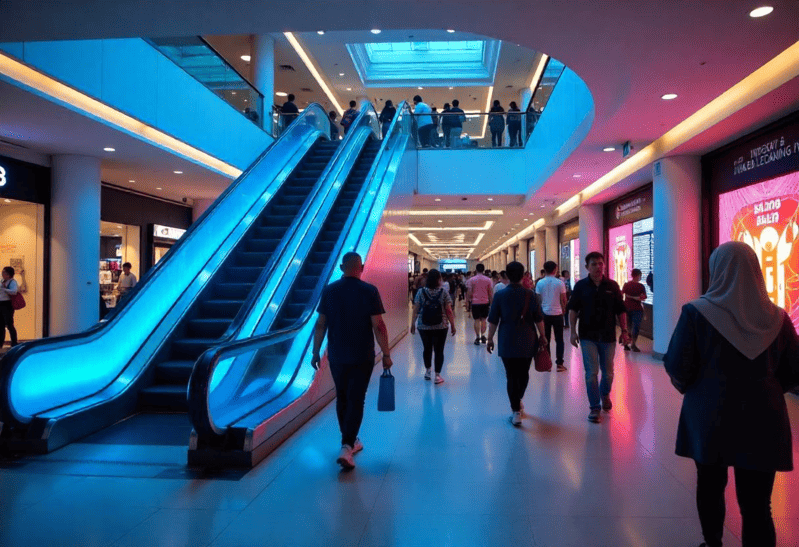
Shopping mall advertising in Malaysia with escalator wraps and digital displays targeting shoppers

Ever noticed how ads inside malls seem to stick? It’s because people are already in buying mode.

From LED screens and escalator wraps to lift doors and floor stickers, shopping mall advertising is a great way to nudge shoppers while they’re deciding what to eat, where to shop, or how to spend the weekend. It works best for retail, F&B, or service-based businesses. Want to promote your new café? Or remind parents about your enrichment center? Mall media puts your brand right in their path—literally.

At Avyan, we help brands book ad spaces in key malls across Malaysia, with packages that align with your store’s location or target audience.

6. Television Advertising Company—Wide Reach, Big Impact

TV still packs a punch in Malaysia—especially during festive seasons or national campaigns. A 30-second slot on Astro, RTM, or TV3 can hit millions of households in one go.

If your brand needs a major push—say you’re launching a new product line or running a government-linked initiative—working with a reliable television advertising company can get you the reach you want. But TV comes with a price tag. Production costs, airtime fees—it adds up. That’s why we often suggest pairing it with digital or outdoor ads to stretch the campaign and reinforce your message.

So… Which One Should You Go For?

That depends on what you’re selling, who you’re selling to, and how much you’re willing to spend.

At Avyan, we don’t just give you a menu of options. We listen, understand your goals, and then recommend the mix that’ll get you the most value. If your budget is tight, maybe local radio advertising and a strategic outdoor billboard are your best bet. Launching something cool in KL? Consider a combo of digital billboard advertising and shopping mall advertising for impact.

Every medium has its strength—the magic is in how you use them together.

Final Take

Choosing an ad platform isn’t just about buying space. It’s about building trust, getting noticed, and reaching your people where they are. Whether you’re a new startup or a growing brand, the right advertising channel can move the needle—if it’s chosen with intention. And that’s where we come in.

Need help deciding where to start? Reach out to us at Avyan. We’ll help you find the right advertising space, tailored to your goals, your audience, and your budget.

Let’s get your message seen—the smart way.

digital-billboard

What Is a Digital Billboard?

The Billboard Got a Glow-Up

It’s likely that you’ve seen one recently if you’ve driven by a busy highway, visited a mall, or wandered through a city square—a vivid, colorful screen that flashes announcements, advertisements, or movies. These days, you may see digital billboards everywhere. However, what is a digital billboard exactly? Is there more going on behind the scenes, or is it just a more elaborate version of a traditional billboard? This post will explain it to you without using technical terms, whether you’re a business owner considering advertising or just an interested bystander.

The Short Answer:

Let’s get started simply. Instead of utilizing printed posters or paint, a digital billboard is an electrical display that uses LED or LCD panels to present messages or advertisements. A digital billboard can switch between adverts every few seconds rather than remaining still for weeks. Imagine it as a slideshow, but on a big screen that is impossible to miss.

What’s the best part? Everything is managed from a distance. This implies that content can be changed instantaneously and that changing vinyl doesn’t require someone to scale a ladder.

How Is It Different From Traditional Billboards?

You might be thinking, “Okay, so it’s just a screen. What’s the big deal?”

Well, compared to the old-school kind, digital billboards come with a few major advantages:

1. Multiple Messages in One Spot

Regular billboards often display one advertisement at a time for weeks at a time. Six to ten separate advertisements, each rotating every few seconds, can be displayed on a digital billboard during the same time frame.

2. Faster Updates

Have an event or sale at the last minute? Almost instantly, you can post a fresh advertisement to a digital billboard. No waiting, no printing.

3. Animations and Motion

Simple motion graphics or transitions are supported by certain digital billboards, which makes them far more visually appealing than static ones.

4. Targeted Scheduling

To target the correct audience at the right moment, you can only broadcast your advertisement during certain hours of the day, such as lunch breaks or rush hour.

Where Do You Usually See Them?

Digital billboards are popping up everywhere. But here are some of the most common spots:

  • Highways and major roads – For commuters and drivers
  • City centers and downtown areas – Lots of foot traffic, lots of eyeballs
  • Shopping malls and retail hubs – Places where consumers are already in the buying mood.
  • Airports, bus stops, and train stations – Excellent places to connect with travelers.
  • Stadiums and event venues – Ideal for intense brand awareness.

Basically, if there’s a screen in a public space and a bunch of people passing by—it’s fair game for digital advertising.

Why Are Businesses Using Them?

The answer to the question of why businesses are moving toward digital is straightforward: flexibility and visibility.

Here’s what businesses love about digital billboards:

1. Real-Time Control

Do you need to alter your advertisement due to a promotion or price reduction? From your laptop, you may quickly replace it. No reprinting. No delay.

2. Better ROI

Multiple advertisers can share a single billboard with rotating slots, which frequently reduces costs per brand while reaching a large audience.

3. High Impact

Let’s be honest: moving screens with vibrant colors simply grab your attention more than paper posters do.

4. Eco-Friendly (Sort of)

There is less physical waste, no paper, and no ink. It is a step in the greener direction, even though electricity is still used.

Are There Any Downsides?

Although digital billboards seem fantastic, there are a few considerations to consider:

  • Short display time: The duration of your advertisement may be limited to 8–10 seconds.
  • Shared space: There are other brands on the screen than yours.
  • Cost: Although digital media can be economical, premium locations and time slots can be costly.

Digital signage may also be subject to city or national rules, particularly those pertaining to brightness, movement, and distraction (particularly in close proximity to roadways).

Who Should Use Digital Billboards?

Almost everybody who wants to increase their exposure, particularly in crowded markets.

  • Retailers can announce product launches or flash sales.
  • Restaurants can show off daily specials during meal hours.
  • Event organizers can create buzz for concerts or shows.
  • Real estate agents can promote new property listings in high-traffic zones.
  • Startups and SMEs can look bigger than they are with a strong presence.

What’s the best part? You don’t require a large advertising budget. Depending on the location and duration, several platforms now offer digital billboard spaces for as cheap as a few hundred dollars.

Final Thoughts: Should You Care About Digital Billboards?

In a word: yes—particularly if you work in marketing, run a company, or simply enjoy understanding how advertising operates..

Digital billboards are among the outdoor advertising formats with the greatest rate of growth. They blend the clever adaptability of digital media with the striking visibility of conventional billboards. So the next time you pass by a glowing ad on a city corner, you’ll know exactly what it is—and why it’s there. Want your brand up there next? Let’s make it happen.

TL;DR:

What is a digital billboard? It is a modern, screen-based alternative to classic billboards that enables companies to promote remotely and dynamically. They are adaptable, striking, and everywhere.