
It’s the Screen That Changes Its Mind
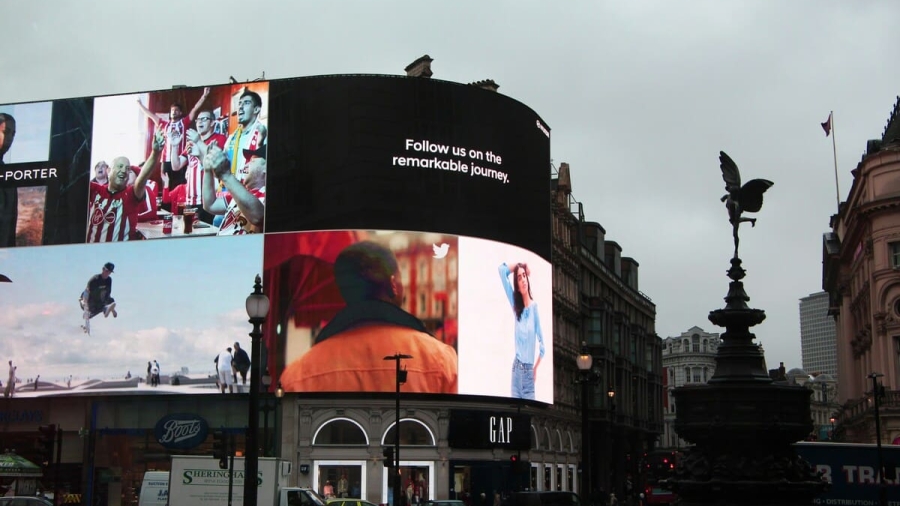
You’ve seen them even if you’ve never given them a name. A big, bright screen above a junction or beside a highway, showing one ad, then another, then another. No printed poster, no ladder, no glue. Just a screen that keeps changing what it says.
That’s a digital billboard. If you run a business and you’re wondering what they are, where they appear and whether they could work for you, here’s the plain-English version.
So, What Exactly Is a Digital Billboard?
A digital billboard is an outdoor advertising display that uses a screen, usually LED, instead of a printed poster. The content is a digital file, like an image or a short video, which is uploaded and shown on the screen.
Compared with a traditional printed billboard, the big differences are:
- It can show more than one ad. Different advertisers take turns on the same screen.
- It can change quickly. Updating the message means uploading a new file, not printing and installing a new sheet.
- It can move. Some screens show animation or short video, not just still images.
- It can be timed. Depending on the setup, different messages can run at different times of day.
Think of a printed billboard as a shop sign and a digital billboard as a noticeboard that updates itself.
Where Do You See Digital Billboards?
Digital billboards aren’t only on highways. They appear in several kinds of places:
- Roadside and junction screens.
Large screens beside major roads, aimed at drivers and passengers. These are the ones most people think of first.
- Building and facade displays.
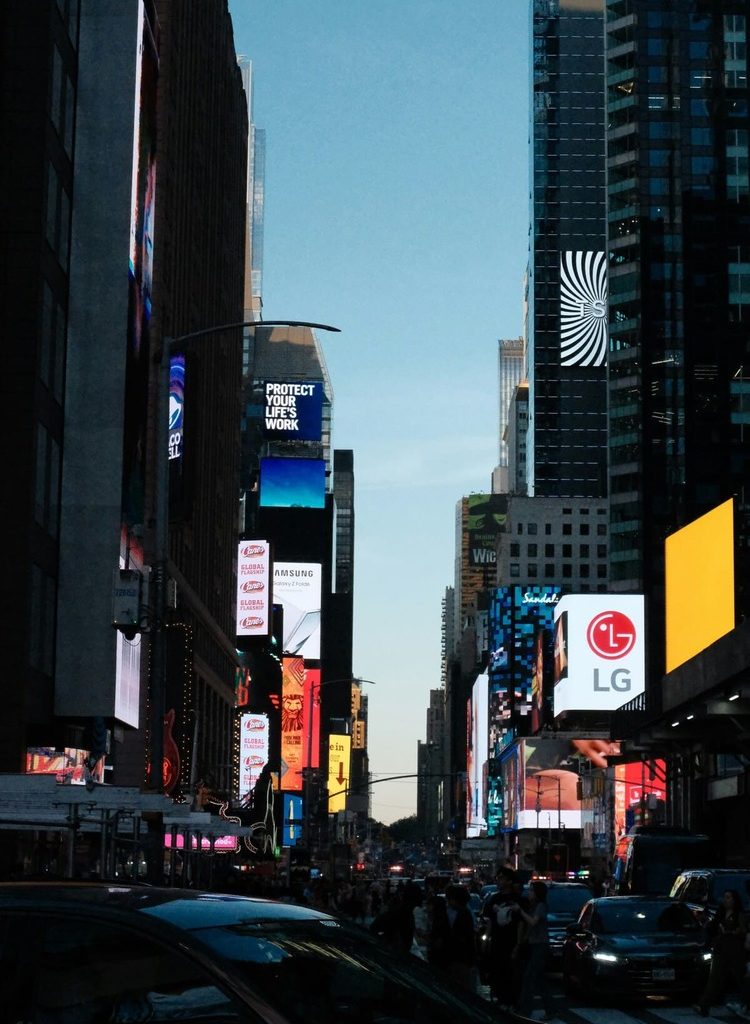
Big screens on the sides of buildings in busy areas, often seen from far away and from several directions.
- Mall and indoor screens.
Screens inside shopping centres and public spaces, seen by people walking and browsing. These tend to allow more detail, since viewers are not moving as fast.
- Transport screens.
Screens at stations, airports and bus stops, where people wait or walk through. Viewers here often have a little more time.
Each type suits different goals, so the place matters as much as the screen.
How Does an Ad Appear on One?
Here’s the short version of what happens behind the scenes:
- An advertiser books a slot. Often a short time within a repeating loop.
- The design is prepared in the right size and format for that screen.
- The file is uploaded and scheduled. It’s set to play at certain times or days.
- The screen plays the loop. Your ad appears, then other ads take their turn, and then yours comes around again.
The details, like slot length and scheduling options, depend on the site and provider, so it’s worth asking what applies to the screen you have in mind.
What Are Digital Billboards Good For?
- Promotions that change. A lunch special, a weekend sale or a countdown to an event.
- Launches. Getting a new outlet or product noticed quickly.
- Time-based messages. “Breakfast now” in the morning, “Dinner sorted” in the evening.
- Brands with several messages. One screen can show different products or offers over time.
- Fast updates. If something changes, you can change the ad without a new print run.
What Are the Limits?
Like any ad type, digital billboards aren’t right for everything.
- You share the screen. Your ad shows for a short slot, then someone else’s appears.
- People get a glance. Drivers especially have only a moment, so the message must be short and clear.
- Tracking is indirect. You can use a QR code, promo code or “how did you hear about us?”, but there’s no click report.
- Design matters. Files need to match the screen, and complicated creative gets lost.
- Approvals can apply. Content rules and approval steps vary, so it’s best to ask early.
Digital vs Printed: Which One Do You Need?
Neither is better. They simply do different jobs.
A printed billboard works well if your message is simple and won’t change, and you want a constant presence in one spot. A digital billboard works well if you want to change your message, run timed promotions or show more than one idea.
Many brands use both. A printed board builds steady familiarity in one place, and a digital screen handles the offers that come and go.
A Made-Up Example
Imagine a new bubble tea shop, “Teh Manis Co.”, opening near an office district. Its digital billboard shows the shop’s name and a bold photo of its signature drink. During the morning, the message reads “Start your day sweet.” At lunch, it changes to “Lunch break? 2 minutes away.” In the evening, it shows “Late finish? We’re open till 10pm.”
One screen, three messages, each matched to the moment.
* The shop and the lines are fictional.
Is It Right for You? A Quick Check
- Do I have an offer or message that changes?
- Can I say it in a few words?
- Do my customers pass the screen’s location?
- Am I happy to share the screen in return for flexibility?
- Do I have a way to track, like a QR code or WhatsApp keyword?
If you said yes to most, a digital billboard is worth considering. If you’d rather have one constant message, a printed billboard may suit you better. You can read more about the wider options on the outdoor billboard advertising page.
The Short Version
A digital billboard is a screen that works like a billboard but can change, move and be timed. It’s flexible, quick to update and suits promotions that don’t stay the same for long. The trade-offs are a shared screen and a short glance, so keep your message simple.
Still deciding between a digital screen and a printed board? Bring your idea to the Avyan team, and we’ll help you work out which one would do more for you, or whether you need both. Start with a quick message. There’s no obligation, only some honest advice on whether a digital billboard suits your plans.