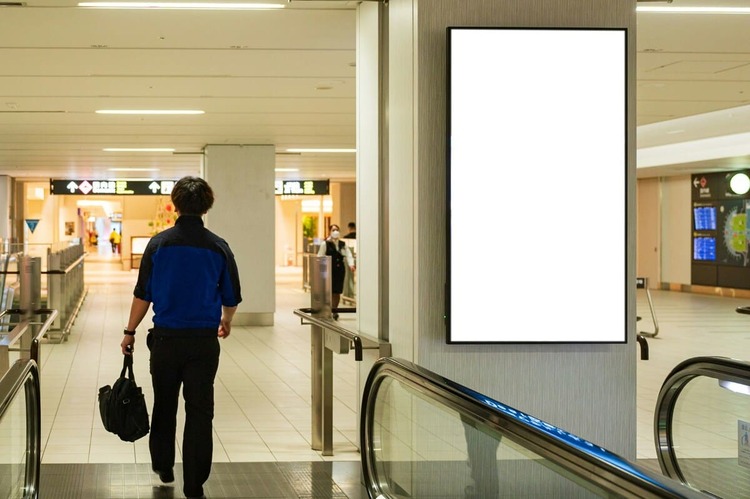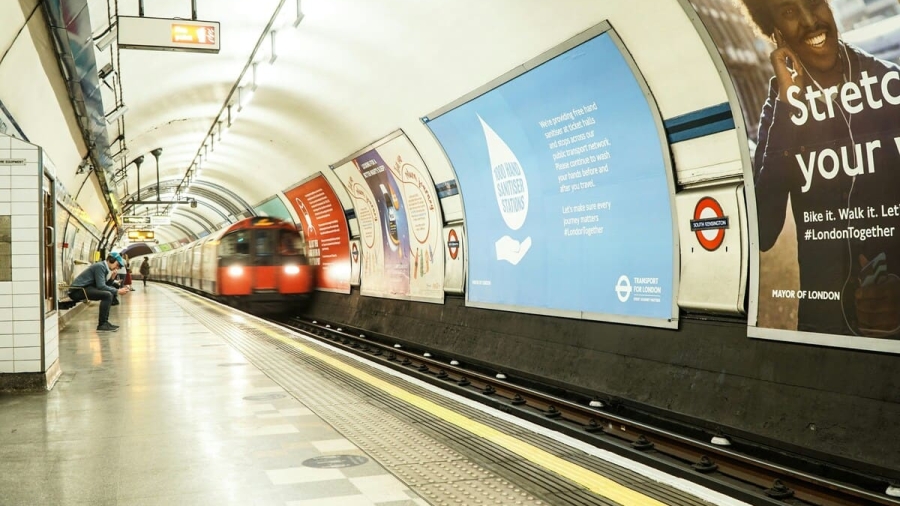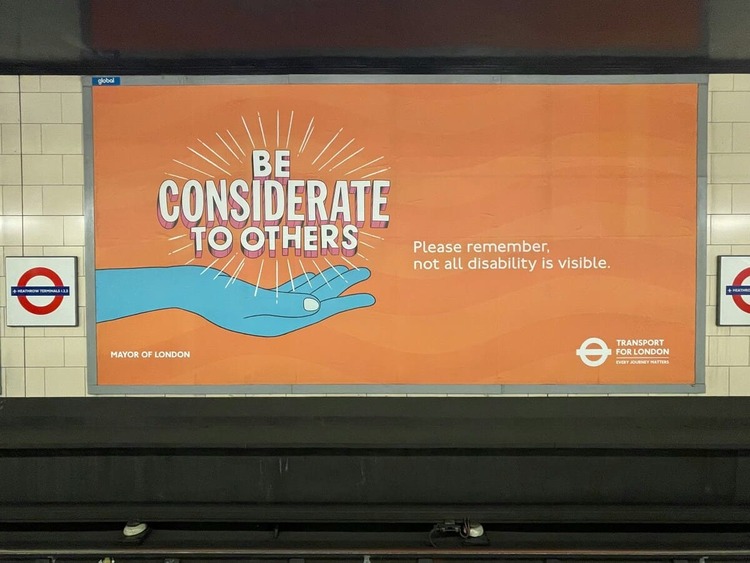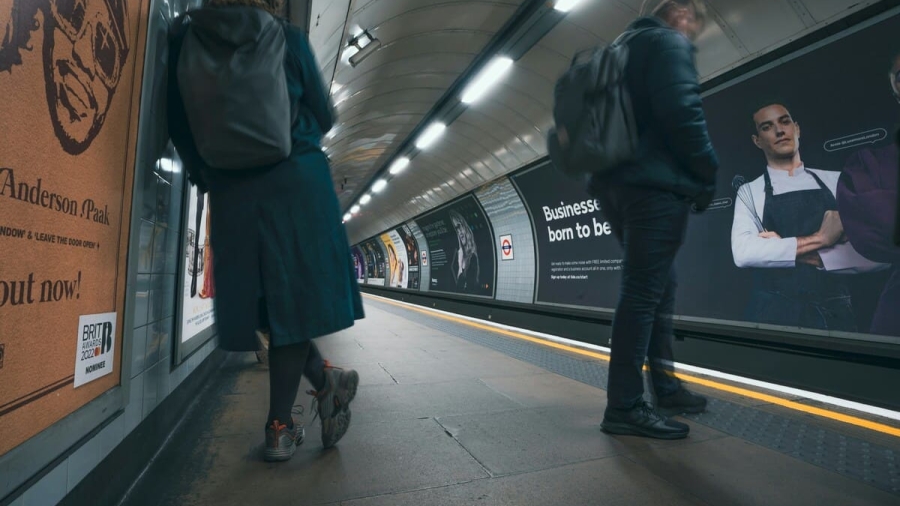
People walking through a lively shopping mall with digital screens, posters, and promotional displays visible in the background.

Why Shopping Mall Advertising Still Works Wonders

Real People, Real Ads, Real Impact

Ever found yourself walking past a giant poster of a steaming bowl of laksa or spotting a “BIG SALE” sign across the walkway, and before you know it — your feet just sort of follow? You’re not alone. That’s the quiet magic of mall advertising. No loud push. Just a gentle nudge that somehow works.

We’re so used to everything being digital these days — clicks, banners, pop-ups. But there’s something about walking through a mall on a weekend. The hum of music, chatter all around, the smell of popcorn or pretzels wafting by. In that setting, ads don’t feel like ads. They blend into the mood. And somehow, they still get us.

The Staying Power of Shopping Mall Advertising

Let’s talk about why shopping mall advertising isn’t going anywhere anytime soon.

It’s Where Attention Is Already Focused

People in malls aren’t just killing time. They’re already in that frame of mind to spend — whether it’s makan, window shopping, or actually buying. That makes it the perfect space for brands to show up without being annoying.

A well-placed screen above the escalator. A floor sticker you step over on the way to the food court. A pop-up booth that catches your eye — these aren’t just background noise. They become part of the journey. You see it, register it, maybe even talk about it later. That kind of impact is hard to replicate on a screen you can just scroll past.

You Can’t “Skip” a Mall Ad

Let’s be honest — we skip digital ads faster than we blink. But in a mall, you don’t really “skip” anything. The ad is just… there. You pass by, glance at it, maybe stop for a second. You don’t feel forced, but you still take it in.

That’s the beauty of it. A sleek display showing off the latest kicks. A hanging banner for an upcoming event. A photo-worthy setup that ends up on someone’s Instagram Story. It’s all woven into the environment. You don’t have to click or scroll. You just notice.

It’s subtle. But that’s exactly why it works.

Perfect for Brands That Want to Be Felt, Not Just Seen

Brands that show up in malls aren’t just going for eyeballs. They’re going for presence. A nice visual, sure — but also a certain feel. A premium skincare brand with a calm, glowing booth near Watsons. A coffee sample stand that pulls you in with the smell alone.Mall ads give brands a chance to show up in the real world. Not just as pixels, but as something you can touch, smell, and sometimes even taste. It’s full-sensory marketing. And that kind of experience sticks with people long after they’ve gone home.

Great for Local and Global Brands Alike

That’s the thing — shopping mall advertising doesn’t just belong to the big brands. Sure, you’ll see Uniqlo, Adidas, or Apple with massive displays. But local cafes, boutiques, or even homegrown startups can get in on the game.

A flyer near the entrance, a promo sign near the escalator, a small setup at the weekend bazaar — there’s space for everyone. And during festive seasons? It goes to a whole other level. Chinese New Year, Raya, Deepavali, Christmas — malls go full festive. Brands can ride that wave and make their presence feel celebratory, not salesy.

It’s not just about selling. It’s about showing up during moments that matter to people.

It Still Builds Trust (Yes, Even Now)

We might not think about it, but there’s a trust that comes from being seen in the right place. A poster in a reputable mall — it says something. It says, “We’re established.” Even if you’re a new brand, just being in that space gives you some weight.

Malls are curated spaces. They don’t just let anyone in. So when shoppers see your name there, it feels a bit more legitimate — like you’ve made the cut. That perception of quality and credibility? It’s a quiet boost that online ads rarely deliver.

Digital Integration Makes It Even Stronger

Just because it’s physical doesn’t mean it’s outdated. In fact, mall ads today are more digital than ever. You’ve got LED displays that change depending on the time of day. QR codes that link to promos. Booths that tie into social media campaigns in real time.

It’s not either/or anymore — it’s a blend. The ad might be in a mall, but the action it sparks? That can go straight to your phone. Scan, click, save, share. All while you’re still holding your shopping bags.

That merging of physical space with digital response? It’s what makes modern mall advertising even more powerful.

So… Is Mall Advertising Still Worth It?

Short answer? For sure.

Long answer? Depends on your brand, your goals, and your audience. But for many businesses — especially those that want to be seen and felt — malls still offer something unique.

In a world of fast scrolls and shorter attention spans, having a real presence in a real space… that still counts for a lot.

So the next time you find yourself drawn to a promo, poster, or booth in a mall — just remember, you’re not imagining it. You’re part of the reason mall advertising is still very much alive and we can help you with that.

A-blue-city-bus-with-an-advertisement-drives-down-in-traffic

What Is Transit Advertising? Ads That Literally Can’t Sit Still

Ever Noticed That Bus Ad?

You’re stuck in traffic, maybe scrolling your phone, maybe just spacing out—and then this giant burger zooms by on the side of a bus. Or maybe it’s an ad for a tuition center, a new bubble tea shop, or even a dentist in your neighborhood.

Whether you realized it or not, that’s transit advertising. It’s the kind of marketing that doesn’t sit quietly on a screen—it moves, just like us.

So what is transit advertising really, and why do so many brands love using it? Let’s break it down.

So, What Is Transit Advertising?

Transit advertising is just what it sounds like—ads placed on or around public transportation. It shows up on:

  • Buses, trains, and taxis
  • Inside MRT or LRT cabins
  • At bus stops and train platforms
  • Airport terminals
  • Even ride-hailing cars like Grab

Basically, if people are using it to get from one place to another, chances are someone’s found a way to stick an ad on it.

Why Do Brands Use Transit Ads?

It’s easy to say “visibility”—but ”that doesn’t really capture the whole picture. Transit ads work not just because people see them, but because of how and where they see them.

Let’s go deeper.

1. They’re Part of Daily Life

Transit ads aren’t stuck in one place. They move through your city, your route to work, and your weekend jalan-jalan spot. A bus from Subang to KL isn’t just a bus—it’s a moving billboard that passes homes, shops, mamak stalls, and offices.

When people see your brand again and again in familiar places, it starts to stick—not in an annoying way, but more like, “Oh yeah, I’ve seen this before.”

2. They Catch You in Quiet Moments

You know those pockets of time—waiting for the LRT, stuck in a jam, lining up at the bus stop. Your phone might be in your hand, but your eyes still wander. That’s when a clever ad on the side of a train or taxi can actually get your attention.

And let’s be honest, sometimes we read those ads just to pass the time. It’s like urban wallpaper with a purpose.

3. They Feel Local

Let’s say you’re running a clinic in PJ. You probably don’t need your ad to reach people in Penang, right? Transit advertising lets you target your area.

A few buses looping through neighborhoods near your shop can do more for your brand than a thousand random clicks online. It feels grounded. Relevant.

4. They’re Not In-Your-Face

Unlike those pop-up ads that interrupt your video or the ones you scroll past on Instagram, transit ads are just… there. No pressure. No “Skip in 5 seconds.”

They blend into the commute, into the city—but they still stand out enough to be remembered. A good transit ad doesn’t shout. It waves.

5. They’re Surprisingly Affordable

Most people assume outdoor advertising is for big brands only. But transit options can be budget-friendly, especially for small businesses. You can choose the routes, locations, and even the size of your campaign.

And the best part? You’re reaching real people in real places—not just clicks on a screen that may or may not be real humans.

6. They Work with Other Marketing

Transit advertising isn’t something you use instead of digital. It actually works with it.

Think of it this way: someone sees your ad on a train, then later spots your post on social media. The second time, it feels more familiar. That combo—online and offline—is what makes a message stick.

A ride-share car with a food delivery ad sticker parked near a mall, with people entering and exiting nearby

Still Relevant in the Digital Age?

Absolutely. In fact, maybe now more than ever.

Sure, we’re all online all the time. But we’re still moving through cities. We still take the train, wait for buses, and hop into Grab rides. And in those in-between moments—eyes off the screen, minds wandering—transit ads become part of the background we actually notice.

Plus, there’s something trustworthy about seeing a brand “out there” in the real world. It feels established. Solid.

Who Should Use Transit Ads?

You don’t have to be a giant brand with a giant budget. Transit ads make sense for:

  • Local cafés or restaurants
  • Clinics, tuition centres, or service shops
  • Real estate projects
  • Concerts, roadshows, local events
  • Colleges or training centres

Basically, if you want to get the word out to people in a specific area—and do it in a way that feels natural—transit ads are worth considering.

Final Thoughts: Marketing on the Move

So the next time someone asks, “What is transit advertising?” — you’ll know it’s not just some poster stuck on a bus or train. It’s a way for brands to quietly show up in everyday life. No loud interruptions, no hard sells—just a steady presence moving through the same streets, same neighborhoods, and same routines as the people you’re trying to reach.

It’s not flashy. But it works. Because when your message becomes part of someone’s daily journey, it starts to feel familiar—even trusted.

If you’ve been thinking about how to get your brand out there in a way that feels natural, maybe this is worth exploring. No pressure—just reach out if you feel like chatting. We’re happy to walk you through it and see if it’s something that could work for you.

Branded-car-with-colourful-wrap-driving-through-Kuala-Lumpur-city-street-showing-real-life-car-advertising-in-action

How Does Car Advertising Work? A Friendly Breakdown from the Streets

No Billboard? No Problem.

Have you ever caught yourself gazing at a vehicle wrap with a large logo or vibrant design while waiting in traffic? It could have been advertising a bubble tea cafe, an occasion, or a residential cleaning service. That’s car marketing fulfilling its purpose.What’s the most exciting aspect? It’s no longer only for well-known brands. Even modest local enterprises are embracing the trend. If you’ve ever been curious about how does car advertising work, here’s a straightforward explanation—no complicated terms, just honest discussion.

So… What Exactly Is Car Advertising?

Car advertising is basically turning your car into a moving billboard. You take a vehicle, apply a vinyl wrap with your brand visuals—maybe a catchy slogan, some cool graphics, even a QR code—and just like that, your ride becomes an ad on wheels.

You don’t always need to go all out either. Some businesses do full wraps that cover the whole car, while others just stick to decals on the doors or rear window. It all depends on your budget and how loud you want to go. At the end of the day, it’s a pretty smart idea: you’re already driving around, so why not let your car do some marketing along the way?

Why It Works: Branding on the Move

In a society where all eyes are glued to devices, car advertising offers a refreshing change. It’s evident in the physical world, subtly operating—without requiring anyone to scroll, swipe, or tap. It’s inactive, yet strong.

1. Constant Visibility

Whether the car is cruising down the LDP or parked outside a mamak at midnight, it’s working. Your message is out there, catching glances at traffic lights, petrol stations, or mall basements. Unlike traditional ads with specific run times, car ads work 24/7—rain or shine, weekday or weekend. Every time the engine starts, your brand gets another round of exposure.

2. Local Targeting Without Complicated Ads

You don’t need to mess with ad targeting settings or campaign dashboards. Just drive through the areas your customers live, work, or lepak. If your café’s in TTDI, make sure your car’s visible during morning rush or weekend brunch hours. Selling home cleaning services in USJ? Do your rounds there. Car advertising lets you naturally reach your community without the tech headache.

3. Memorability

Most people forget what they scrolled past this morning. But a well-designed car wrap? That image can stick. Especially when the design is bold, witty, or eye-catching—like a plumber van with oversized tap graphics or a bakery vehicle with cartoon buns smiling at you. It creates a physical presence, and in a digital-saturated world, that presence feels different. More real.

4. Budget-Friendly Exposure

Car wraps might seem like a big upfront cost—but consider this: one wrap can last 3 to 5 years. That’s years of advertising from a single spend. No monthly renewals, no “cost-per-click” fees. And the best part? You’re not just renting space; you’re owning your visibility. It’s perfect for small business owners who want consistent reach without bleeding budgets every month.

From Idea to Jalan: How It Works

The process of getting started is surprisingly smooth. Here’s how a typical car advertising campaign rolls out:

Step 1: Have a Chat

First, it starts with a conversation. What’s your business? Who are you trying to reach? Which areas do you want to target? This helps shape the campaign direction.

Step 2: Create the Design

Once we understand your goals, it’s time for design. Whether you come with your own branding or need something fresh, the design is tailored to catch eyes—without overwhelming the viewer.

Step 3: Wrap It Up

With design confirmed, the wrap is printed on high-quality vinyl. It’s durable, weather-resistant, and fully removable when you need a change. Installation is done by trained pros who know how to get it just right.

Step 4: Hit the Road

Now, the fun part begins. The car goes out on its regular routes—school runs, deliveries, appointments—and everywhere it goes, your brand follows.

Who Should Consider Car Advertising?

Honestly? Just about anyone who wants to get noticed.

Whether you’re:

  • Running a delivery-based business
  • Starting a new café or boutique
  • Offering mobile services like cleaning, plumbing, or tuition
  • Launching a product or campaign
  • Growing your name in a competitive neighbourhood

…car advertising gives your brand real-world exposure in a way that’s direct and hard to ignore. It’s especially powerful in dense urban areas where road traffic is a daily norm.

If you’re someone who already has a company vehicle on the road daily, why not let it work a little harder for you?

Final Thoughts: Small Move, Big Visibility

So, how does car advertising work? It works by keeping things simple, smart, and visual. It’s a blend of creativity and everyday motion—an ad that doesn’t need a screen to be seen. Whether it’s just one car or a fleet, wrapped vehicles quietly do the job of brand building day after day. No pushing, no pop-ups—just consistent visibility on the streets your customers already travel.

If you’re curious to explore how your brand could hit the road in style, it might be time to give car advertising a proper go. It’s not just about looking good—it’s about being remembered. Start exploring your options and see where it takes you.

train station advertising

Train Station Advertising Costs: What You Need to Know Before Booking That Billboard

Your Brand, Next Stop: Visibility.

Have you ever been at a train station and wondered, “Hmm… I wonder how much that ad costs?” after glancing at a huge billboard or digital screen? You’re not by yourself. Particularly in Malaysia, train station advertising is one of those things that is quite noticeable but occasionally ambiguous when it comes to cost.This article will help you understand what to anticipate when it comes to train station advertising costs in Malaysia and whether it’s worth the investment, whether you’re a business owner, marketer, or simply interested in how it all works.

Why Advertise at Train Stations Anyway?

Let’s discuss why train station advertisements are important before getting into the prices.

For thousands of people in Malaysia, particularly in the Klang Valley, public transportation is a daily necessity. Consider stations for the KTM Komuter, LRT (RapidKL), MRT, and Monorail. These are hubs for foot traffic as well as transportation. Whether they are tourists, students, or early-morning commuters, there is a captive audience that is simply waiting and staring at whatever is in front of them.

That’s where your brand comes in.

What Affects the Cost?

Here’s what drives the price up (or down):

1. Location, Location, Location

The location of your advertisement is crucial, just like real estate.

With hundreds of thousands of commuters passing through each day, a station like KL Sentral will fetch a higher price. Places with a lot of traffic draw greater attention, which raises the value—and price. Conversely, because of the less intense foot traffic, smaller or suburban stations such as Rawang, Serdang, or Sungai Buloh have significantly lower ad prices. These “under-the-radar” stations may prove to be a financially advantageous choice if members of your target audience come from these regions.

Therefore, consider the movement patterns of your audience when creating your campaign. Are they students? Office workers? Shoppers? Match your ad locations accordingly.

2. Size & Placement

Bigger is, well… usually pricier.

A little lightbox in the corner next to the exit escalator will cost less than a full-wall billboard at the entrance of an MRT station. You will have to spend more money if your advertisement is more noticeable and inevitable. However, placement can also alter the outcome; size isn’t everything. Because visitors must look at it, even a modest advertisement placed directly in front of the ticket machine or escalator can have a big impact.

Therefore, aim for strategic placement rather than just size. A tiny, strategically positioned advertisement can occasionally garner as much attention as a larger, less noticeable one.

Duration of the Campaign

You can anticipate paying more per day than you would if you run it for three months. Because media owners value loyal customers, longer campaigns typically have lower prices. A lightbox ad, for instance, would cost RM8,000 for one month, but if you commit to three months, the total cost could decrease to RM20,000, which would drastically lower the monthly average.

Additionally, longer ads are more effective in increasing brand knowledge. People may overlook your advertisement if it is only available for a week. However, three months? That is repetition because memory is built by repetition.

Time of Year

Timing is everything—especially in advertising.

You should budget a little more if you want to advertise around significant holidays like Deepavali, Chinese New Year, Hari Raya, or even the year-end buying frenzy. The demand for ad space rises during these times due to increases in foot and internet traffic. To secure their places before the holiday rush, some firms even make reservations months in advance. You may wish to include seasonal pricing in your budget estimates if your business is seasonal or does well in specific months.

Pro tip: Think about running ads during the “quiet” months. There might be less competition for your attention and better pricing.

Media Owner/Vendor

Media companies are not all made equal. Certain vendors have the sole permission to advertise in particular train stations or on particular lines, such as KTM, MRT, or LRT. Packages, price structures, and value-added services (such as creative support or reporting) may vary amongst them. Some providers may charge extra, but they will include benefits like help for creative strategies, ad performance data, or multiple format bundling. Others might be less expensive, but they provide simpler, more basic locations.

MRT vs LRT Line

When planning your train station advertising campaign, choosing the right line can make a big difference in visibility and engagement. For example, the MRT Kajang Line passes through highly populated areas, making it ideal for brands targeting commuters in suburban Kuala Lumpur. Meanwhile, the MRT Putrajaya Line connects government and business districts, attracting professionals who may be decision-makers or higher-income audiences. On the LRT side, the LRT Kelana Jaya Line serves busy urban hubs and commercial areas, providing frequent exposure to shoppers and office workers.

Each line varies in foot traffic, demographic, and ad placement costs. MRT stations often carry higher visibility and slightly higher rates due to newer infrastructure and heavy commuter volumes, while LRT stations may offer cost-effective options with targeted reach. Evaluating your campaign objectives, budget, and audience will help you select the station that delivers the best return on investment.

How to Book & Timeline

Booking MRT station advertising or train station advertising with Avyan is straightforward. First, identify the stations and lines that align with your target audience. Once you’ve chosen your locations, Avyan will provide a media proposal, including available billboard sizes, costs, and campaign durations.

Typical campaigns require at least one month to secure the ad space, with setup and approval processes included. From booking to going live, most campaigns run 4–8 weeks depending on location availability. Avyan also assists with artwork specifications, installation, and campaign monitoring, ensuring your ad is displayed correctly and reaches your intended audience. Planning ahead is key—popular stations often have high demand, so early booking guarantees better placement and timing for your brand’s exposure.

Is It Worth It?

Let’s be honest. Advertising at train stations is not cheap, particularly when compared to advertisements on social media. The problem is that it’s not about clicks or quick conversions. It has to do with top-of-mind awareness and brand presence.

Imagine it like a flag being planted: “Hey, we’re here.” And becoming noticed is something we take seriously.”

This type of advertising lends credibility and weight to local companies trying to rule a particular market or to big brands launching nationwide campaigns.

Final Thoughts

In Malaysia, advertising at train stations may seem like a massive investment, and it is. Yet, it can have a significant impact on brand recognition with the correct message, smart timing, and strategic placement.

This can be your next big move if you have the funds and are prepared to move beyond Facebook or Instagram advertisements. Take a glance around the next time you’re waiting at a KL platform or getting on the MRT. People may be staring at your advertisement, and we will make sure they do.

radio-advertising

Radio Marketing Strategies That Work

How to Win Ears and Influence Listeners

Let’s face it, how recently have you truly tuned in to the radio? Some folks may experience it daily while commuting. Others may experience it while stuck in traffic or while making a brief trip to the grocery store. Radio’s ability to reach people at the most unexpected but ordinary times in their lives is precisely what makes it so magical.

The answer is definitely yes if you’re asking if radio marketing is still important in the era of TikTok and streaming. However, it only works when done correctly, just like any other type of marketing. So, whether you’re a brand manager, small business owner, or just someone looking to find a way to spread the word, let’s talk about the radio marketing strategies that truly work.

Why Radio Still Matters

Before we dive into the strategies, let’s bust a myth: radio is not dead.

Indeed, media consumption has evolved, but radio has also altered. Whether through digital platforms, conventional AM/FM channels, or car infotainment systems, people continue to listen in. Studies show that radio still reaches more than 90% of adults each week. You might be losing out on that huge audience.

Also, people that listen to the radio are usually faithful. Regular listeners of a certain station are likely to trust it, which means they will trust the companies that are promoted on it.

1. Know Your Audience (and Their Favorite Stations)

What is the biggest mistake that companies make when using radio ads? Broadcasting on the wrong station.

Establish your audience’s demographics first, including their age, gender, habits, lifestyle, and even how they travel. Next, pair that profile with a station that reflects their preferences. For instance:

  • Targeting young adults? Try stations that play Top 40 or pop hits.
  • Going for professionals? News talk or business radio could be your sweet spot.
  • Targeting parents? Perhaps a mix station with hours that are conducive to schools.

Do your homework. Many stations offer listener demographics, and some even provide listener surveys.

2. Time It Right: Pick the Right Slots

Not all airtime is created equal.

“Dayparts” are very important in radio lingo. During these periods of the day, listener behavior shifts:

  • Morning Drive (6am–10am): Excellent for brief, memorable advertisements, high listenership, and frequent traffic updates.
  • Midday (10am–3pm): Ideal for retail and leisure advertisements while people are running errands.
  • Afternoon Drive (3pm–7pm): Another busy period with lots of listeners and traffic is the afternoon drive
  • Evening & Late Night: Typically less expensive; may work for campaigns with a tight budget.

Choose peak hours if you have money to spare. If not, consider off-peak hours but make up for it with additional performances.

3. Frequency Is Key

Let’s say it louder for the people at the back: one radio ad won’t cut it.

It’s all about repetition. For a message to stick, people typically need to hear it several times. Therefore, think about running multiple spots at a cheaper cost over a few days or weeks rather than blowing your budget on one or two pricey primetime advertisements. Try to be consistent. You want people to recognize and even anticipate your brand. People begin to remember at that point.

4. Craft a Message That Actually Sounds Good

This one’s important: radio is all about audio. That means no fancy visuals to grab attention—just sound. Your message must therefore be conversational, memorable, and clear. Don’t bother with the technical terms. Talk like a human. Even better, speak like the person you want to reach.

Here are some quick tips:

  • Don’t exceed 30 seconds.
  • Start with the hook and capture interest within the first five seconds.
  • Include a clear call-to-action (e.g., “Visit us today!” or “Call now for 20% off!”).
  • Don’t overpower your message with sound effects or music.

Additionally, get a competent voice actor for the sake of audio quality. It has an impact.

5. Integrate With Other Marketing Channels

Although radio has a lot of power, it functions much better when used alongside a larger strategy. Mention the same deal on your website or social media accounts, for instance, if you’re running a radio ad campaign. Or, to monitor response rates, provide a promo code or unique URL in your advertisement.

Creating a seamless experience is the aim, so when someone opens Instagram after hearing your advertisement in the car, they see the same content.

6. Consider Sponsorships and Promotions

Want a time slot longer than 30 seconds? Consider station sponsorships or promotions.

You could sponsor a traffic report, a weather segment, or even a morning show. These might give your business more legitimacy because they are typically mentioned frequently throughout the show (for example, “Today’s traffic report is brought to you by XYZ Plumbing”). Or organize a contest or giveaway in conjunction with the station. This encourages interaction and presents your brand entertainingly and memorably.

7. Track Results (Yes, It’s Possible!)

One of the biggest myths about radio is that you can’t measure it. Not true!

You can:

  • Make use of radio campaign-specific promo codes.
  • Direct listeners to a custom landing page or phone number.
  • Ask new customers how they heard about you.

Additionally, a lot of stations now offer statistics or assistance in monitoring interaction. Ask away!

Final Thoughts: Radio Isn’t Flashy, But It Works

Although radio marketing isn’t the newest weapon in the toolbox, it can be surprisingly efficient when used strategically. In comparison to certain digital efforts, it provides high-frequency exposure, local targeting, and trusted speakers at a comparatively low cost.

The secret is to approach it strategically, which includes knowing your audience, creating a compelling message, and maintaining consistency. Therefore, don’t write off radio just yet if you want to increase awareness or traffic to your company. It can be the traditional marketing approach your modern brand requires. Ready to amplify your reach? Let’s talk.

cinema-advertising-blog

What Is Cinema Advertising? Here’s Everything You Need to Know

The Only Time People Don’t Skip Ads? In a Cinema

You’ve already experienced movie advertising if you’ve ever sat in a theater with popcorn in hand and watched a few commercials before the trailers.

However, what is it really, and why is it being used by so many brands, both large and small? We’ll explain what movie cinema advertising is, its various forms, its target audience, and why it remains one of the most effective forms of communication in this piece.

So, What Is Cinema Advertising?

Any promotional material displayed in or near a movie theater is referred to as cinema advertising. Before the movie begins, such on-screen video advertisements are the most prevalent type. However, it doesn’t end there.

It may also consist of:

  • Posters or banners in the cinema lobby
  • Ads on digital screens near the ticket counter
  • Product sampling or branded booths
  • Short trivia or sponsored segments before the trailers

In a nutshell, cinema advertising is when you advertise your brand in a movie theater.

It also works because you’re reaching people who are eager to be amused, physically there, and not distracted. There is no option to skip or swipe away, unlike advertisements on TV or social media.

Why Advertise in Cinemas?

Let’s face it, most advertisements are ignored. People block them completely, mute them on TV, or skim past them online.

In a cinema, it’s different.

1. Focused Audience

People are paying attention when the screen shines and the lights go down. They’re not able to multitask. Your ad has a lot greater impact that way.

2. Emotional Timing

Films evoke a wide range of emotions, including laughter, joy, suspense, and even sorrow. Your brand can ride those emotional waves and become more remembered if you advertise before the event.

3. Premium Perception

Cinema ads simply feel and look more professional. The production value is exceptional, especially when viewed on a large screen, whether it is a charming tale or a smooth animation.

4. Local Targeting

Because you can select which theaters your advertisement appears in, it’s a fantastic choice for small businesses looking to connect with local clients.

Types of Cinema Advertising

Advertising for cinema is not a one-size-fits-all situation. There are various methods to show up, depending on your aims and budget.

1. On-Screen Ads

Before the trailers, these classic video advertisements play. They can be tailored for local, regional, or national audiences and typically last between 15 and 60 seconds. This is the big moment for your company, whether you want to inspire people, make them laugh, or get them to take action right away.

2. Lobby Advertising

People gather in the lobby even before the film starts. You can get their interest by:

  • Posters
  • Digital screens
  • Pop-up stands or backdrops

Since moviegoers will be passing by these several times, they are ideal for recurring brand exposure.

3. Sampling & Activations

Some brands get involved by distributing free samples or putting up booths. Consider offering free refreshments, discount flyers, or brand-related mini-games. This is a fantastic chance to leave a lasting impression if your product is entertaining, delicious, or engaging.

4. Co-Branded or Sponsored Content

Cinemas also provide entertaining branded segments such as

  • “This movie is brought to you by…” messages
  • Pre-movie trivia games featuring your brand
  • Sponsored giveaways tied to upcoming releases

These give the impression that your brand is part of the moviegoing experience.

Who Can Benefit From It?

Cinema advertising isn’t limited to large, well-funded corporations. Actually, it’s ideal for:

  • Local businesses – cafes, salons, gyms, or retail shops near a theatre
  • Event organizers – concerts, school events, expos
  • Property developers – promote new homes or condos with emotional storytelling
  • Educational institutions – attract new students during peak admission periods
  • Apps or online services – drive downloads with clever, visual campaigns

Cinema advertising provides your brand with a larger-than-life platform, whether you have a narrative to tell or images to showcase.

Is Cinema Advertising Expensive?

It doesn’t have to be.

Pricing for movie advertisements can be somewhat variable, despite the common misconception that they are quite expensive. Local movie theater advertisements are significantly less expensive than national ones, and some suppliers even supply small business-specific bundles.

Pricing is determined by:

  • Location and size of the cinema
  • Number of screens or time slots
  • Length and format of your ad
  • Duration of your campaign

Real results can be obtained with even a 15-second commercial at a nearby theater if it is well-timed and targeted.

Final Thoughts: Should You Try It?

Cinema advertising is a great option if you’re searching for a marketing channel that actually attracts attention. It creates a powerful presentation by combining stories, images, and an attentive audience. The large screen might be your next big thing, whether your goal is to increase brand recognition, increase foot traffic to your store, or spread the word about an event.

Imagine your own message up there the next time you’re viewing the pre-movie commercials in the theater. Most likely, other people will also recall it too, and we can help make it happen.

google-ads-advertisement

The Real Deal: Advantages and Disadvantages of Google Ads

More Clicks, More Problems? Let’s Talk Google Ads

Google Ads likely has come up more than once in your search if you’ve been looking for strategies to increase the number of people who see your business online. And with good reason—Google Ads has the potential to be quite effective. However, it’s not all sunshine and rainbows, just like everything else in life (and marketing).

So let’s have a serious discussion about the advantages and disadvantages of Google Ads before you spend your money on sponsored advertisements. No fluff, just the pros and cons to help you decide if it’s the right move for your business.

Advantages of Google Ads

Let’s start with the good stuff—why so many businesses love Google Ads.

1. Massive Reach

Every day, Google handles more than 8.5 billion queries. A billion with a “B,” indeed. This implies that millions of individuals who are actively looking for goods or services similar to yours could see your advertisement. That’s a lot of eyes, regardless of whether you’re an online retailer or a neighborhood bakery.

2. Laser-Focused Targeting

The level of targeting precision offered by Google Ads is one of its greatest advantages. You can make things more specific by:

  • Location (country, city, or even radius targeting)
  • Device type (mobile vs. desktop)
  • Time of day
  • Keywords
  • Demographics
  • Interests and more

So if you want to target your advertisement specifically at ladies in the 25–34 age range who are looking for eco-friendly skincare products in Kuala Lumpur—yep, you can do that.

3. Measurable and Transparent

Google Ads provides you with comprehensive reports, unlike certain traditional advertising techniques where you have to rely on guessing about whether it was successful (looking at you, billboards). You’ll know exactly how many people saw your ad, clicked it, and what they did afterward. That means you can:

  • Track conversions
  • Analyze ROI
  • Adjust your campaigns in real-time

4. Fast Results

SEO is fantastic, but it takes time. Google Ads is a great option if you want to be at the top of the search results right now. It is actually possible to put up a campaign today and begin receiving clicks in a matter of hours.

5. Flexible Budgeting

To begin, you don’t need a huge amount of money. Your campaigns can be paused or stopped at any moment, and you can establish daily restrictions. You have control over how much you spend each day, whether it’s RM10 or RM10,000.

Disadvantages of Google Ads

Now, onto the less glamorous part. Not everyone or everything is a good fit for Google Ads, and it is not flawless.

1. It Can Get Pricey

Let’s face it, clicking costs money. The cost per click (CPC) can rise from RM20 to RM50 or more per click in highly competitive areas like insurance, legal, or finance. Additionally, keep in mind that not every click results in a transaction.

If you’re not careful with your targeting and bidding strategy, you could blow through your budget fast without seeing much return.

2. Steep Learning Curve

Google Ads is powerful, but it can also be a little… scary at first. Numerous campaign options, match types, statistics, and settings are available. You could waste money on ineffective ads or pointless clicks if you don’t know what you’re doing.

Hiring a pro or spending time learning the ropes is often necessary.

3. Click Fraud is a Thing

Unfortunately, not every ad click originates from a potential buyer. Your budget may occasionally be drained by competitors or bots clicking on your advertisement. Although Google has mechanisms in place to identify and reimburse fake clicks, they are not foolproof.

4. Short-Term Focus

As soon as you stop paying, Google Ads stops. Paid advertisements are similar to a tap; if you turn it off, the traffic stops, in contrast to SEO or content marketing, which creates long-term value. Therefore, even while it’s excellent for short-term gains, long-term strategy cannot be replaced by it.

5. Overwhelming Competition

The situation can resemble a bidding war, particularly in crowded markets. Large, well-funded brands can afford to take over the top places, so smaller companies must work even harder (and more strategically) to remain competitive.

Is Google Ads Worth It?

Honestly—it depends.

Google Ads can be an excellent tool if you have a specific objective (such as generating leads rapidly or increasing traffic to a new product). It’s particularly helpful for:

  • Launching something new
  • Promoting limited-time offers
  • Testing what keywords convert
  • Boosting visibility while your SEO is still gaining traction

However, you might want to combine it with other tactics like email campaigns, SEO, or content marketing if you’re searching for a long-term, low-cost solution.

Final Thoughts

Like a sports car, Google Ads can get you far, but only if you know how to drive it, or have someone who does. The advantages and disadvantages of Google Ads primarily depend on your objectives, financial constraints, and level of work.

If you’re considering trying it, start small. Try, adjust, grow, and learn. Additionally, a well-executed Google Ads campaign can significantly boost your company’s performance, so don’t be scared to ask for assistance.

billboard-advertising-1

Billboard Advertising Advantages You Shouldn’t Overlook

Why It Still Works (Even in the Digital Age)

Let’s be honest—in today’s world, where everything’s gone digital, you might wonder: Do billboards even work anymore? With people glued to their phones and scrolling through social media nonstop, traditional advertising can feel a bit… old school.

But here’s the thing: billboard advertising is still very much alive—and it works surprisingly well when done right. One major advantage of billboard advertising is that it continues to cut through the noise in a way that digital ads often can’t. Whether you’re a small business looking to make a splash or a big brand reinforcing your presence, billboards offer some pretty unique advantages.

Billboards: Still Standing Tall (and Loud) in a Digital World

Let’s break down why these big roadside signs still matter—and how they can work for you.

1. Maximum Visibility, 24/7

A billboard cannot be ignored, in contrast to internet advertisements that are ignored, blocked, or scrolled past. Day or night, it is prominently displayed. No clicks are required; your message is repeatedly viewed whether people are strolling past, trapped in traffic, or traveling to work.

Think about it:
  • Automatic brand recall occurs when commuters see the same billboard every day.
  • It is simply there, and onlookers don’t need to do anything to recognize it.
  • Unlike an Instagram commercial, it cannot be swiped away.

To put it briefly, billboards provide constant, unavoidable visibility. Without having to compete for screen time, your brand is seen by hundreds, and occasionally millions, of people.

2. Perfect for Local Targeting

Billboards are a great option if you want to reach people in a particular location, such as a town, neighborhood, or section of highway. You’re placing your brand in the same location as your target audience.

For example:
  • A brand-new eatery is coming to town? Put a billboard with a mouth-watering picture close by.
  • A local service (such as legal assistance or plumbing)? Billboards close to residential areas can help people remember you.

It’s hyper-local advertising done simply—no complex audience targeting settings needed.

3. Builds Brand Awareness Quickly

Billboards aren’t just about conversions (though they can help with that too). They’re amazing at doing one thing really well: brand awareness.

Even if someone doesn’t take immediate action, they’ll remember your brand—your name, your colors, your tagline. It’s about repetition and familiarity. And when they do need your product or service down the line, guess who they’ll think of first? (Hint: You.)

Bonus tip:

Keep it simple and bold. One big idea, one call to action, and minimal text. People only have a few seconds to take it in—make it count!

4. A Big, Bold Canvas for Creativity

Although they can aid in conversions, billboards are not solely for that purpose. One thing that they excel at is raising brand awareness.

People will remember your brand, including your name, colors, and tagline, even if they don’t act right away. It has to do with familiarity and repetition. And guess who they’ll think of first if they ever need your product or service? (Hint: You.)

Keep it bold and straightforward. Minimal writing, one main idea, and one call to action. Make the most of the few seconds that people have to process it!

5. Complements Your Digital Strategy

Contrary to popular belief, billboard ads and digital marketing don’t compete—they complement each other.

Some companies go all out with innovative ideas, 3D components, or striking comedy. Others use strong colors and clear lettering to keep it stylish and powerful. In either case, a billboard can have a huge visual impact.

And when you have a good design, people will remember it. Some people might even snap pictures of it and post them online, which would give you more visibility without spending more money.

6. Billboards and Social Media: Amplifying Your Reach

The reach of billboard advertising in Malaysia does not end at the roadside. Creative and eye-catching billboards often get photographed and shared on social media platforms like Instagram, TikTok, Facebook, and Twitter. This allows your advantage of billboard advertising to extend far beyond its physical location and gives your brand additional exposure without extra cost.

When designing billboards, think about what people will want to share. Clever slogans, bold visuals, or interactive elements such as QR codes can help your billboards go viral on social media. A single billboard in a busy area can generate hundreds or even thousands of impressions online from people who may never see it in person.

By combining billboard advertising in Malaysia with a social media approach, you gain both the constant visibility of outdoor advertising and the viral potential of online platforms. This helps your brand become memorable, widely discussed, and seen by audiences far beyond the original location.

7. It’s Surprisingly Cost-Effective

Why it’s worth the cost:
  • Every day, a single billboard can produce thousands of impressions.
  • Unlike digital advertisements, it doesn’t require constant upkeep.
  • It doesn’t have any off-peak hours or ad fatigue.

Billboards can be more cost-effective than you might think when you look at the cost per impression.

8. Billboard ROI: How It Compares

  • Affordable reach: The billboard advertising cost per thousand impressions typically ranges from two to eight dollars. Compared to TV, radio, and even some digital campaigns, billboards are surprisingly cost-effective, making them an ideal choice for businesses of any size.
  • Constant visibility: Billboards provide 24/7 exposure. Thousands of people see your message daily, whether they are commuting, shopping, or traveling. This repeated visibility strengthens brand recall in a way that online ads, which can be skipped or blocked, often cannot.
  • High impact: A well-designed billboard attracts attention instantly. Bold visuals, clear messaging, and creative design make it hard to ignore, ensuring your brand leaves a lasting impression on your audience.
  • Measurable ROI: When considering reach, impressions, and engagement, billboard advertising in Malaysia delivers measurable results. Even a single billboard in a high-traffic area can generate more impressions than expensive digital campaigns, giving your marketing budget maximum value.
  • Long-term awareness: Even if viewers do not take immediate action, repeated exposure creates familiarity and trust. This is one of the most powerful advantages of billboard advertising, helping your brand stay top of mind for when customers are ready to act.

Investing in billboards is not just spending on advertising—it is about visibility, impact, and consistent ROI.

9. Builds Trust Through Physical Presence

A brand that is brave enough to display itself on a huge sign has a certain quality. It establishes a sense of permanency, legality, and confidence.A strategically positioned billboard conveys the notion, “We’re real,” in contrast to digital advertisements that can come across as dubious or spammy. It’s difficult to equal the credibility that comes from that actual presence with only pixels.

Final Thoughts: Should You Go Big (and Go Billboard)?

Billboard advertising is definitely something to think about if you want to stand out, stay in the public eye, and engage with your local audience in a daring, memorable way. Selecting between the old and the new is not the point. A large, well-positioned billboard remains one of the most effective instruments available for spreading your message.

Therefore, keep this in mind the next time you’re delayed in traffic and notice a billboard that makes you smile: That could be your brand up there, drawing attention, leaving an impression, and controlling the road—your brand could be next.

digital-billboard

What Is a Digital Billboard?

The Billboard Got a Glow-Up

It’s likely that you’ve seen one recently if you’ve driven by a busy highway, visited a mall, or wandered through a city square—a vivid, colorful screen that flashes announcements, advertisements, or movies. These days, you may see digital billboards everywhere. However, what is a digital billboard exactly? Is there more going on behind the scenes, or is it just a more elaborate version of a traditional billboard? This post will explain it to you without using technical terms, whether you’re a business owner considering advertising or just an interested bystander.

The Short Answer:

Let’s get started simply. Instead of utilizing printed posters or paint, a digital billboard is an electrical display that uses LED or LCD panels to present messages or advertisements. A digital billboard can switch between adverts every few seconds rather than remaining still for weeks. Imagine it as a slideshow, but on a big screen that is impossible to miss.

What’s the best part? Everything is managed from a distance. This implies that content can be changed instantaneously and that changing vinyl doesn’t require someone to scale a ladder.

How Is It Different From Traditional Billboards?

You might be thinking, “Okay, so it’s just a screen. What’s the big deal?”

Well, compared to the old-school kind, digital billboards come with a few major advantages:

1. Multiple Messages in One Spot

Regular billboards often display one advertisement at a time for weeks at a time. Six to ten separate advertisements, each rotating every few seconds, can be displayed on a digital billboard during the same time frame.

2. Faster Updates

Have an event or sale at the last minute? Almost instantly, you can post a fresh advertisement to a digital billboard. No waiting, no printing.

3. Animations and Motion

Simple motion graphics or transitions are supported by certain digital billboards, which makes them far more visually appealing than static ones.

4. Targeted Scheduling

To target the correct audience at the right moment, you can only broadcast your advertisement during certain hours of the day, such as lunch breaks or rush hour.

Where Do You Usually See Them?

Digital billboards are popping up everywhere. But here are some of the most common spots:

  • Highways and major roads – For commuters and drivers
  • City centers and downtown areas – Lots of foot traffic, lots of eyeballs
  • Shopping malls and retail hubs – Places where consumers are already in the buying mood.
  • Airports, bus stops, and train stations – Excellent places to connect with travelers.
  • Stadiums and event venues – Ideal for intense brand awareness.

Basically, if there’s a screen in a public space and a bunch of people passing by—it’s fair game for digital advertising.

Why Are Businesses Using Them?

The answer to the question of why businesses are moving toward digital is straightforward: flexibility and visibility.

Here’s what businesses love about digital billboards:

1. Real-Time Control

Do you need to alter your advertisement due to a promotion or price reduction? From your laptop, you may quickly replace it. No reprinting. No delay.

2. Better ROI

Multiple advertisers can share a single billboard with rotating slots, which frequently reduces costs per brand while reaching a large audience.

3. High Impact

Let’s be honest: moving screens with vibrant colors simply grab your attention more than paper posters do.

4. Eco-Friendly (Sort of)

There is less physical waste, no paper, and no ink. It is a step in the greener direction, even though electricity is still used.

Are There Any Downsides?

Although digital billboards seem fantastic, there are a few considerations to consider:

  • Short display time: The duration of your advertisement may be limited to 8–10 seconds.
  • Shared space: There are other brands on the screen than yours.
  • Cost: Although digital media can be economical, premium locations and time slots can be costly.

Digital signage may also be subject to city or national rules, particularly those pertaining to brightness, movement, and distraction (particularly in close proximity to roadways).

Who Should Use Digital Billboards?

Almost everybody who wants to increase their exposure, particularly in crowded markets.

  • Retailers can announce product launches or flash sales.
  • Restaurants can show off daily specials during meal hours.
  • Event organizers can create buzz for concerts or shows.
  • Real estate agents can promote new property listings in high-traffic zones.
  • Startups and SMEs can look bigger than they are with a strong presence.

What’s the best part? You don’t require a large advertising budget. Depending on the location and duration, several platforms now offer digital billboard spaces for as cheap as a few hundred dollars.

Final Thoughts: Should You Care About Digital Billboards?

In a word: yes—particularly if you work in marketing, run a company, or simply enjoy understanding how advertising operates..

Digital billboards are among the outdoor advertising formats with the greatest rate of growth. They blend the clever adaptability of digital media with the striking visibility of conventional billboards. So the next time you pass by a glowing ad on a city corner, you’ll know exactly what it is—and why it’s there. Want your brand up there next? Let’s make it happen.

TL;DR:

What is a digital billboard? It is a modern, screen-based alternative to classic billboards that enables companies to promote remotely and dynamically. They are adaptable, striking, and everywhere.

Why airport advertising showcasing brand message to travellers

Why Airport Advertising Matters for Brands

Airports are strange places, aren’t they? A mix of hurry and waiting. People rushing to board — but also sitting around for hours. Scanning their phones, sipping overpriced coffee, looking up at the screens around them. That’s exactly why brands love airport spaces.

You’ve probably noticed it yourself — the sleek watch ad by the aerobridge, a tourism board’s dreamy destination visuals near immigration, or a fintech banner right where business travellers queue. These aren’t random placements. They’re part of a well-thought-out strategy.

So, why airport advertising? It’s not just about visibility. It’s about attention. In a place where people are mentally shifting between “leaving” and “arriving,” brands have a unique window — not just to be seen, but to be remembered.

Let’s unpack why this matters, and how smart brands are using airport moments to make lasting impressions.

Captive, Engaged Audiences

Here’s the thing — most ads get scrolled past in seconds. But at airports? People actually look. Not because they’re trying to — but because they’ve got time.

Think about it. You’re early for your flight, checked in, cleared security… now what? You walk. You wait. You glance around. That giant digital screen above the baggage carousel? Suddenly interesting. The floor sticker near your gate? You read it. That’s what makes airport advertising so powerful — you’ve got a captive audience that isn’t rushing past.

And we’re not talking about just anyone. Airport crowds tend to be professionals, frequent travellers, tourists with spending power — the kind of audience many brands are chasing after. It’s one of the few places where even premium brands can get undivided attention.

In short: the setting does half the work. The right message? That seals the deal.

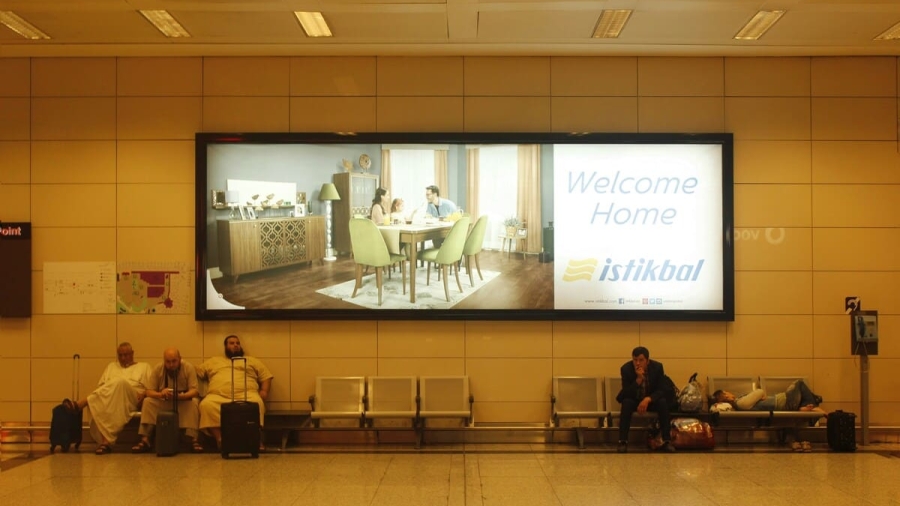
Airport ads targeting business travelers

High Dwell Time = High Recall

You know how in most advertising, it’s all about catching attention fast before someone scrolls away or changes the channel? Airport ads flip that logic. People are already there, often for an hour or more — walking around, waiting, sometimes just sitting.

That means your ad isn’t a blink-and-miss moment. It lingers. Gets noticed. Gets remembered.

Let’s say someone sees your brand while walking to the boarding gate… then again at the baggage claim… and one more time at the taxi queue. That kind of repetition sticks — especially when it happens over a calm, slow-paced environment where the brain isn’t overloaded.

So instead of fighting for 2 seconds of attention, airport ads let your message breathe. And that leads to real recall — the kind people still remember after they land.

Premium Surroundings, Premium Feel

Airports aren’t just functional spaces — they’ve become polished, curated environments. From designer shops to sleek lounges, everything feels elevated. And when your brand appears in that setting, it naturally benefits from that premium halo.

Whether it’s a digital screen in the departure hall or a high-impact lightbox near immigration, airport advertising sends a subtle message: This brand belongs here. It shows confidence. Credibility. A certain level of scale and seriousness.

For luxury brands, financial services, tech companies — this is gold. But even for everyday products, the association with a travel mindset (aspiration, progress, movement) adds a layer of meaning that’s hard to replicate elsewhere.

You’re not just running an ad. You’re positioning your brand in a place where people are thinking big, dreaming far, and planning ahead.

Reaching a Valuable, Global Audience

Airports bring together a mix of people you don’t often find in one place — business travelers, tourists, decision-makers, and high-spending families. Whether they’re flying domestic or international, this crowd usually has one thing in common: spending power.

And they’re not just rushing by.

They’re waiting in check-in lines. Standing at baggage claim. Killing time at the gate. All of which means more chances for your ad to be seen, absorbed, remembered.

Unlike other platforms where users scroll past in a second, airport ads benefit from dwell time. When you place your message at a strategic location — like near the arrival gate or just before customs — you’re speaking to a captive, focused audience.

And the reach? It’s not just local. You’re getting brand exposure to people flying in from across the country or even halfway around the world.

When Does It Make Sense to Advertise at Airports?

Airport advertising isn’t just for airlines or travel brands — though it definitely works for them too. It’s actually a strong move for any business looking to:

Build brand prestige. Airports are premium environments. Showing up here puts your brand in a high-trust, high-status space — the kind people associate with international reach and professionalism.

Target business decision-makers. Many frequent flyers are business travellers — which means if you’re B2B or offer corporate services, this is where your audience is.

Reach tourists and locals at once. Whether it’s food & beverage, retail, fintech, or even local events — airport ads give you exposure to both incoming tourists and homegrown travellers in one go.

It’s especially effective if your campaign goal includes brand credibility, top-of-mind recall, or expansion into new markets. Airports give your brand the kind of exposure that feels big, bold, and confident.

Global airport advertising exposure for brands

Types of Airport Advertising You Can Explore

Airports are packed with ad real estate — and no, it’s not just banners near baggage claim. Here are some popular formats brands often use:

1. Digital Screens

High-traffic areas like check-in halls, boarding gates, and walkways often feature large digital displays. These are perfect for looping videos or eye-catching animations that don’t rely on sound to make an impression.

Good for: Brand storytelling, product launches, event promos

2. Lightboxes & Static Panels

Classic backlit displays along corridors, near escalators, or at waiting lounges. These formats deliver clear brand visuals with high recall, especially in spots where people slow down or queue.

Good for: Logos, slogans, product showcases

3. Baggage Claim Domination

Everyone gathers here. And they wait. That’s why it’s a smart space for visibility — you get undivided attention. You can brand the carousel, walls, or even claim carts.

Good for: Tourism, lifestyle brands, credit cards, F&B

4. Airport Shuttle Wraps

In some airports, shuttles that move passengers between terminals or parking areas can be wrapped with ads — turning them into mobile billboards right within the compound.

Good for: Regional campaigns, transport-related brands, telcos

5. Experiential or Pop-Up Spaces

Depending on the airport’s policies, brands sometimes set up mini booths or sampling areas. A short interaction can leave a lasting memory — especially when it breaks the monotony of transit.

Good for: Skincare, food sampling, tech demos

Airport Advertising Formats in Malaysia

Malaysian airports offer many ways for brands to connect with travelers. Jet bridges and walkways let passengers see visuals clearly as they move toward their gates. Baggage carousels are ideal because travelers stop and wait there, giving full attention to your message. Digital screens in check-in halls, lounges, and boarding gates can display videos or animations that catch the eye. Lightboxes and static panels along corridors or near escalators provide clean, premium visuals that stay in memory.

Using several formats across airports like KLIA, KLIA2, and Senai increases the chances of repeated exposure. The more travelers see your brand during their journey, the more likely they are to remember it. This is another reason why airport advertising is so effective in Malaysia.

Tips to Make Your Airport Ad Campaign Worth It

Not all airport ads hit the mark — but the right strategy can turn your campaign into a high-flying success. Here’s what to keep in mind:

1. Know Your Audience

Are you speaking to business travelers rushing to their next meeting? Or families flying during school holidays? Different airports — and even terminals — attract different types of passengers. The more specific you are, the better your placement.

2. Focus on Simplicity

People are walking, rushing, waiting. You’ve got just a few seconds to leave an impression. So keep your visuals clean, your copy short, and your brand instantly recognizable.

Pro tip: Test your creative from 5–10 meters away. If it doesn’t catch your eye fast, rework it.

3. Play to Emotions

Airports are full of feelings — goodbyes, reunions, excitement, stress. Ads that tap into those moments tend to stick better. You’re not just selling a product, you’re stepping into someone’s journey.

4. Use a Mix of Formats

Don’t rely on just one touchpoint. Combine static with digital, or add a pop-up booth to support your main visual. It’s all about reinforcing recall at different stages of the passenger’s flow.

5. Align with Flight Schedules

Peak visibility doesn’t mean random hours. Think about flight timings — both domestic and international. Morning rush? Red-eye flights? Your content should run when your target is most likely to be there.

So, Why Airport Advertising?

Because it gives you time, space, and attention — three things that are getting harder to earn in today’s fast-scroll world. When someone’s in an airport, they’re not bombarded by 20 open tabs or skipping ads in 5 seconds. They’re waiting. They’re watching. And your brand has a chance to show up in a way that feels premium and intentional.

Whether it’s a bold digital screen near immigration, a full wall wrap at baggage claim, or a product showcase near the lounge — airport advertising puts your brand in front of people when they’re more likely to notice, remember, and engage.

So if you’re ready to be seen by the right crowd, in the right frame of mind — maybe it’s time to take off.

Malaysia Airport Insights

Airports in Malaysia are full of travelers who are exactly the audience brands want to reach. KLIA serves over 50 million passengers every year, while KLIA2 handles travelers flying on low-cost carriers. Senai International Airport connects southern Malaysia and attracts both business and leisure travelers.

Passengers spend time waiting at check-in counters, security, lounges, and boarding gates. That gives your brand a chance to be noticed multiple times during their journey. Ads placed in these spaces are not just seen, they are remembered. Business travelers, tourists, and locals all pass through these airports, bringing attention and spending power in one place.

This is exactly why airport advertising in Malaysia works so well. It gives brands access to a high-value audience in a premium environment. The combination of waiting time, repeated exposure, and professional surroundings helps your message stick. Whether your goal is brand awareness, credibility, or reaching a diverse audience, airports like KLIA, KLIA2, and Senai offer the perfect platform for high-impact campaigns.

Ready to take your brand to the skies?

Let’s chat about how we can craft a powerful campaign tailored to your goals. Get your own airport billboard advertising, we’ll help you stand out — right where it counts.