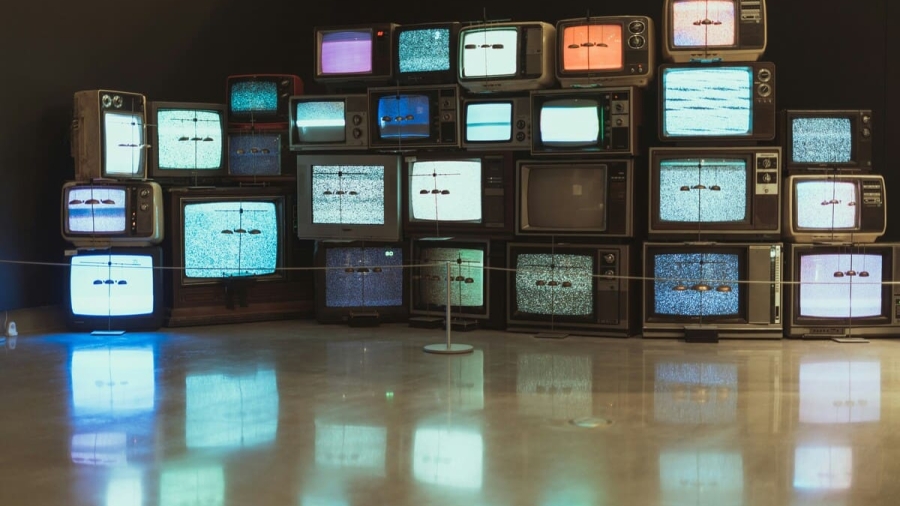
Can Small Businesses Advertise on Television in Malaysia - Avyan Advertising

Can Small Businesses Advertise on Television in Malaysia? What to Know Before You Start

TV Is Not Just for Big Brands Anymore. But It Is Not for Everyone Either

Walk into any mamak at 9pm and the telly is on. Drama, news, football, a cooking show nobody asked for. Everyone is watching something, and somewhere between the shows, a brand is paying for your attention.

So the question every small business owner asks at some point: can I be that brand?

Short answer, yes. Longer answer, it depends on your budget, your timing and what you actually want from it. Let’s go through it properly, so you decide with open eyes.

Yes, Small Businesses Can Do It. The Door Is Not Locked.

There is no rule that says only big names get airtime. A TV station cares that your ad meets its standards and that the booking is paid for. It does not care how many outlets you have.

What has changed is the range of ways in. If you want to advertise on television without a national blockbuster budget, you now have more options than a single expensive prime-time slot. Which is good news, because prime time and a small budget rarely get along.

Where Small Businesses Actually Show Up on TV

Here are the routes most smaller advertisers explore:

  • Spot ads in selected time bands. You buy short slots around specific shows or times of day. Off-peak slots are usually kinder to your wallet than prime time, though fewer people watch.
  • Regional or niche channels. If your customers sit in one area or share one language, a channel built for that audience can make more sense than a mass-market one.
  • Pay TV and streaming platforms. Some let you aim at certain audiences or regions. Availability changes, so ask what is on offer right now.
  • Sponsorship or tie-ins. A small brand sometimes backs a segment or a show feature instead of buying plain spots.
  • A shorter ad. A tight 10 or 15 second spot can be easier on both airtime and production.

Our read: don’t start with the biggest channel. Start with the one your customer already watches.

The Cost Is Not Just the Airtime

This is where first-timers get caught out. The slot is only one line in the bill. You also need to think about:

  • Production. Script, filming, editing, voice-over, music. A clean, simple ad can cost much less than a big concept, but it still needs doing properly.
  • Repetition. One airing rarely does much. TV works when people see your ad several times, so your budget has to cover a run, not a single moment.
  • Approvals and revisions. Time spent fixing a script is time you are not on air.
  • Support afterwards. If TV sends people to your shop, your website or your WhatsApp, those places need to be ready for the rush.

We are deliberately not quoting numbers here. Rates shift by channel, time slot, season and demand, so ask for current rate cards rather than trusting a figure from a random article.

Know the Rules Before You Film Anything

Broadcast ads in Malaysia have to follow content guidelines, and some categories face tighter checks than others. Think health claims, financial offers, food and beverage claims, and anything involving children or religion.

Before you spend money on production, ask the station or your media agency three things:

  1. What are the content rules for your product category?
  2. How long does approval usually take?
  3. What happens if your ad needs changes after filming?

Finding out after you’ve paid for a shoot is a painful way to learn.
Can Small Businesses Advertise on Television in Malaysia 01 - Avyan Advertising

When TV Might Be Too Early for You

Let’s be honest, because nobody else will be. TV may not be the right first move if:

  • You have a single outlet and customers walk in from only a few streets away. A wide broadcast reaches a lot of people who will never visit.
  • You can’t handle a sudden jump in orders or enquiries.
  • Your budget only covers one or two airings. That’s closer to a gamble than a campaign.
  • You haven’t yet figured out what makes you different. TV is a loud room, and a vague message disappears quickly.

None of this means “never”. It means “not yet”, and there is no shame in that. Radio, outdoor and digital screens can build your name first, and TV can come later when you’ve outgrown them.

A Made-Up Example to Make It Real

Here is a fictional case, just for illustration. Imagine a bakery with six outlets across Johor, all within the same state. Their customers love the bread but half the state has never heard of the brand.

They skip national prime time. Instead they book a short ad on a regional-leaning channel, in a few well-chosen time bands, and run it over several weeks so people see it more than once. The ad is simple: warm bread, a familiar kampung-style setting, one clear message about where to find them.

Notice what they did right. Small area, simple message, repeat exposure, and outlets ready for the extra footfall. That’s the pattern worth borrowing.

Five Questions to Ask Before You Start

Before you sign anything, check you can answer these:

  1. Who exactly am I trying to reach, and what do they watch?
  2. What is my budget for the whole campaign, not just the airtime?
  3. What single action should viewers take afterwards?
  4. Is my business ready for more customers than usual?
  5. How will I know whether it worked?

If you can answer all five without guessing, you are closer to ready than most. If not, you’ve just saved yourself an expensive lesson.

You can compare other routes in our guide to “television advertising options in Malaysia”, or look at how TV sits next to radio and outdoor billboards before settling on a plan.

Do the Sums First, Then Switch On

TV can absolutely work for small businesses that want to advertise on television, as long as the plan is shaped around your size and not borrowed from a big brand. Start small, aim narrow, repeat your message, and make sure your shop or website is ready for the attention.

Still weighing it up? Send us your rough budget and the area you want to reach. We’ll tell you straight whether TV makes sense now or whether something smaller should go first. Avyan is just a message away on the contact page.

How to Advertise on Television in Malaysia - Avyan Advertising

How to Advertise on Television in Malaysia: A Step-by-Step Guide for Businesses

TV Isn’t Just for the Big Brands

Think of the ads you remember from growing up. The Raya ones that made the whole family tear up. The jingle you can still sing in the shower. Chances are, you saw them on TV, probably while eating dinner with your family.

Many business owners assume television is out of reach, too expensive and too complicated. It’s more approachable than you’d think. If you’ve been wondering how to advertise on television without feeling lost, here’s a simple step-by-step guide.

Why Television Still Works

TV is still part of daily life for many Malaysian households. Families gather for the evening news, drama slots, sports and festive specials. A few reasons businesses still use it:

  • Sight, sound and story. You can show your product, tell a story and add music, all in one go.
  • Shared viewing. Families often watch together, so one ad can reach several people at once.
  • Credibility. Many people feel a brand that appears on TV is established and trustworthy.
  • Reach. A single channel can speak to a very wide audience, from kampung to city.

Step 1: Set a Clear Goal

Before anything else, decide what the ad is for. Are you:

  • Introducing a new brand or product?
  • Promoting a seasonal sale or festive offer?
  • Getting people to visit a new outlet?
  • Building your name over the long term?

Your goal shapes everything else, from the message to the channel. A launch might need a big burst of airtime. A steady brand-builder might run longer at a lighter pace.

Step 2: Know Who You’re Talking To

Malaysia is a mix of languages and viewing habits, so “everyone” is not an audience. Think about who your customers are:

  • Which language do they watch in: Malay, Mandarin, Tamil or English?
  • Are they young adults, parents, or older viewers?
  • When are they home and watching?

A tuition centre targeting parents might think about evening and weekend viewing. A sports brand might think about match nights. The more specific you are, the less airtime you waste.

Step 3: Choose Your Channel and Programme

Not all channels are the same. Broadly, you’ll be choosing between:

  • Free-to-air channels, which can reach a wide, mass audience.
  • Pay-TV channels, which often focus on specific interests like news, sports, kids or lifestyle.
  • Streaming and connected TV, which can suit brands that want a more targeted, digital-style approach alongside traditional TV.

Then think about programmes and time slots. Prime time is popular but busy. Other slots may suit smaller budgets or niche audiences. Listen to your audience first: watch what your customers watch, then match your ad to it.

Step 4: Plan Your Budget

TV costs vary a lot depending on the channel, the time slot, the length of your ad, how often it runs, and how much you spend on making it. Rather than guess a number, share your budget range early with a media partner and ask them to build a plan around it. A smaller, well-planned campaign usually beats a rushed, expensive one.

Two things to ask about:

  • What’s included in the airtime package?
  • What are the production costs on top of airtime?
How to Advertise on Television in Malaysia 01 - Avyan Advertising

Step 5: Create an Ad That Works

A TV ad has a lot to do in a short time. Most run for 15, 30 or 60 seconds, so keep the message tight.

  • Open with a hook. You have a few seconds to stop people from reaching for their phones.
  • Tell one story. One message, one offer, one idea.
  • Show, don’t just tell. Use visuals to do the explaining.
  • Say your name clearly. Repeat it, and show your logo.
  • End with one action. Visit, call, WhatsApp or search for you online.
  • Think about sound. Many people hear the ad from the kitchen, so make sure it works even if they aren’t looking at the screen.

Here’s a made-up example to show the shape. A small bakery, “Rasa Kita”, opens with a family rushing out the door in the morning, tosses in a quick shot of warm bread, a friendly line like “Sarapan siap, kita gerak!”, and ends with the shop name and address. It’s simple, relatable and easy to remember. (The bakery and the line are fictional.)

Step 6: Plan the Schedule

When and how often your ad runs matters as much as how good it is.

  • Run it long enough. One airing won’t stick. Repetition is how people remember you.
  • Think about timing. Festive periods are busy, so book early if you want a spot before Raya, CNY, Deepavali or year-end.
  • Keep the message consistent. Don’t change the ad every week, or people won’t recognise it.

Step 7: Track What Happens

TV isn’t as easy to measure as a click, but you can still see signs of progress:

  • Use a special promo code or WhatsApp keyword that appears only in your TV ad.
  • Ask new customers, “How did you hear about us?”
  • Watch for more searches for your brand name, more calls and more walk-ins while the ad runs.
  • Compare these numbers to the weeks before your campaign.

Use what you learn to adjust the next round, whether that’s the channel, the time slot or the message.

Common Mistakes to Avoid

  • Trying to say too much in too little time
  • Choosing a channel because it’s popular, not because your customers watch it
  • Running the ad for too short a period
  • Forgetting a clear call to action
  • Skipping the planning and rushing into production

Pair TV with Other Media

TV works even better as part of a bigger plan. Someone who sees your ad at home, then spots your digital billboard on the way to work, then sees you again on social media, is much more likely to remember you. Keep the message and look the same across everything, so each touchpoint adds to the last.

Ready to Roll Camera?

You don’t need to be a household name to advertise on television. You need a clear goal, a defined audience, the right channel and a simple message that people remember. Take it one step at a time, and it gets a lot less intimidating.

If you’d like help working out which channels and slots suit your business, the team at Avyan is happy to chat. Drop us a message anytime. No hard sell, just a friendly conversation about whether you should advertise on television and how to do it well.

MRT Ads in Malaysia

MRT Ads in Malaysia: 6 Creative Ideas Local Brands Can Borrow

Same Wall, Very Different Results

Walk through any MRT station and you’ll see dozens of ads. A few make you smile or stop for a second. The rest blend into the background like wallpaper. What’s the difference? Usually, it’s not the budget. It’s the idea.

If you’re planning MRT ads for your brand, a clever concept can do more than a bigger panel. Here are six ideas you can borrow, with a few made-up sample lines to show how each one might sound.

Note: all the business names and lines below are fictional.

Idea 1: Talk to the Commute Itself

The best train ads feel like they belong to the place they’re in. Everyone on the platform shares the same little struggles: the crowded carriage, the long wait, the 6pm squeeze. Speak to that, and people feel like you get them.

Sample: “Your train is two minutes away. Your teh tarik at Kopi Sudut is two minutes from the exit.”

This works well for cafes, clinics, gyms and anything near a station. It’s simple, relatable and easy to read in a glance.

Idea 2: Use Real Distance and Directions

Commuters love practical information. A line like “Exit B, 3 minutes’ walk” turns your ad from a nice picture into something useful.

Sample: “Sore shoulders after a long week? Senyum Physio is 3 minutes from Exit B.”

If your business is close to a station, put that closeness front and centre. It answers the first question people have, which is “is it convenient?”

Idea 3: Run a Station-Only Offer

Give commuters a reason to act, and a way for you to track it. A small offer that only appears on your train ads does both.

Sample: “Spotted this at the station? Show it at the counter for a free upgrade to large.”

It makes the ad feel like a little secret reward, and it tells you exactly how many people came because of it. Even something as simple as a promo code, like “MRT10”, does the job.

Idea 4: Tell a Story Across Several Panels

If you’re booking more than one spot, don’t just repeat the same ad. Break the message into a mini series. Each panel adds a line to the story, and commuters who pass several of them feel like they’re following along.

Sample sequence:

  • Panel 1: “Late again?”
  • Panel 2: “Traffic, trains, a missed breakfast.”
  • Panel 3: “Grab a quick brekkie at Rasa Kita Bakery. Open from 6am.”

This is a great way to make use of repeat exposure, because people who ride the same line every day get to the punchline eventually. Just make sure each panel still makes sense on its own, since not everyone will see them in order.

Idea 5: Match the Message to the Time of Day

If you’re using digital screens, you can change your message through the day. Same brand, different moment.

  • Morning: “Need a coffee before your 9am meeting?”
  • Lunch: “Too tired to decide? We’ve got a set lunch for you.”
  • Evening: “Heading home? Pick up dinner on the way.”

Even if you aren’t using screens, the idea still applies to how you choose a station. A stop in an office district is a different mood from a stop beside a university or a shopping centre.

Idea 6: Borrow a Local Moment

Festive seasons, school holidays, big events and long weekends give you something people are already thinking about. Tie your message to that, and your ad feels timely rather than random.

Sample: “Balik kampung soon? Get your car checked at Bengkel Maju before you hit the highway.”

Just remember that festive slots tend to fill up quickly, so plan ahead if you want a spot before Raya, CNY, Deepavali or year-end.

MRT Ads in Malaysia - Avyan Advertising

A Few Things That Make Any Idea Work Better

Whichever idea you pick, a few basics apply:

  • One message only. The more you add, the less people remember.
  • Short and big. If it can’t be read from a few metres away, trim it down.
  • One clear action. Scan, WhatsApp, visit or search. Pick one.
  • Consistent look. Keep your colours, logo and tone the same as your other ads so people recognise you.
  • Give it time. Familiarity builds with repetition, so plan to run it for a few weeks rather than a few days.

What to Avoid

Even a clever idea can flop if it trips on these:

  • Jokes that need a second to understand. People don’t have a second.
  • Puns that only work in one language when your audience speaks several.
  • A great line with no brand name, so nobody knows who it’s from.
  • Making claims you can’t back up, like “the best in Malaysia.”

Pick the Right Station First

A clever ad in the wrong place is still the wrong ad. Think about who actually uses each station. Office workers, students, shoppers and families all behave differently, and an idea that suits one group may fall flat with another. If you’re not sure which station suits your customers, it helps to look at where your regulars live, work and shop, then work backwards.

You can also pair train ads with other media for more punch. Someone who sees your ad at the station and then spots your mall display at the weekend is much more likely to remember you.

Time to Get Creative

Great MRT ads don’t need a huge budget or a complicated concept. They need a relatable idea, a short message and a clear next step. Pick one of the ideas above, make it your own, and see how commuters respond.

If you’d like help shaping an idea or working out which stations and formats suit it, the team at Avyan is happy to chat. Drop us a message anytime. No hard sell, just a few friendly ideas to get you started with MRT ads that people actually notice.

How to Design an LRT & MRT Advertisement People Notice 01 - Avyan Advertising

How to Design an LRT & MRT Advertisement People Notice

You Get About Three Seconds. Make Them Count.

Think about the last time you walked through a station at rush hour. Chances are you couldn’t tell anyone what was on the walls. People are moving, chatting, checking their phones and hunting for the right platform. Even the ones who are standing still aren’t actively looking for ads.

That’s the challenge when you design an LRT & MRT advertisement. A great location gets your design in front of people, but the design itself decides if anyone remembers it. Here’s how to make one that does.

Start With One Idea

The most common mistake is trying to say everything. Your services, your promo, your address, your social media handles, all in one panel. The result is a wall of text that nobody reads.

Before you open any design software, finish this sentence: “I want commuters to remember that ___.” Just one thing. A new outlet. A weekend sale. A brand name. Everything else on the design should support that one idea.

Write a Headline That Works in a Glance

Your headline does most of the work, so treat it like a street sign, not a brochure.

  • Aim for a handful of words. If you can say it in six, don’t use twelve.
  • Speak to a situation people know. “Tired of the Federal Highway jam?” connects faster than “Premium property solutions.”
  • Use everyday language. A touch of Malaysian flavour, like Manglish or a bit of Malay, can feel friendly and real, as long as it suits your brand.
  • Read it from a distance. Step back a few metres from your screen. If you can’t read it in a second, rewrite it.

Choose Visuals That Do the Talking

A strong image can explain what you do before anyone reads a word.

  • Use one main visual. A single clear photo or illustration beats a collage.
  • Show the product or result. A steaming bowl of laksa works better than a logo alone.
  • Pick real over stock when you can. People can sense a generic photo. A real dish, a real team or a real outlet feels more honest.
  • Leave breathing room. Empty space isn’t wasted. It’s what makes the important parts stand out.

Get Colour and Contrast Right

Station lighting isn’t kind. Some areas are bright, some are dim, and screens can look different depending on the angle.

  • Go for strong contrast. Dark text on a light background, or the reverse. Avoid light grey on white.
  • Stick to two or three colours. Your brand colours are a good start.
  • Be careful with busy backgrounds. If you put text over a photo, make sure the words are still easy to read.
  • Stand out from the neighbours. Look at the ads around your chosen spot. If everyone uses blue, a bold orange might catch more eyes.
How to Design an LRT & MRT Advertisement People Notice - Avyan Advertising

Pick Fonts People Can Read Fast

Fancy script fonts look lovely on a laptop and terrible on a platform.

  • Choose a clean, bold font with thick strokes.
  • Use no more than two fonts: one for the headline, one for the details.
  • Keep text size large, especially on walkway ads where people read on the move.
  • Avoid all caps for long lines, as they’re harder to read. Short headlines in caps are fine.

Design for the Format You Chose

Not every spot works the same way, so a design that suits one may fail in another.

  • Platform panels: People wait here, so you can add a little more, like a short second line or a QR code.
  • Walkways and escalators: Keep it very short and bold. Think one line and one image.
  • Digital screens: Movement helps, but keep the animation simple. Make sure your name and offer are visible for the whole loop, not just the last frame.
  • Inside the train: Riders have more time, so a slightly longer message works, as long as it’s still easy to scan.
  • Train wraps: Think big shapes and one strong message. Remember that the design stretches across the whole train, so it needs to look good from far away and from the side.

Make the Next Step Obvious

A pretty ad that doesn’t tell people what to do next is a missed chance. Pick one action:

  • Scan a QR code. Make it large enough to scan, and test it on a few different phones.
  • WhatsApp us. Short numbers or a short keyword work better than a long link.
  • Say a code. “Mention MRT10 for a free drink” is simple and easy to track.
  • Search for your name. If your brand name is easy to spell, this works too.

Also think about where people are. Someone walking quickly won’t stop to scan a QR code, so match the action to the situation.

Check Before You Print

A few quick tests can save you a lot of trouble:

  1. The three-second test. Show your design to a friend for three seconds, then take it away. Ask what they remember.
  2. The distance test. Print a small version and look at it from a few metres away.
  3. The phone test. Scan your QR code and open your link on a few different phones.
  4. The spelling test. Check names, numbers and dates twice. One wrong digit can ruin a campaign.
  5. The consistency test. Does it look and sound like your other ads? If someone sees you at a station and then on social media, they should recognise you right away.

Also double-check the file sizes and formats your media team needs, and share your design early so there’s time for fixes.

Common Design Slip-Ups

  • Using tiny text for terms and conditions that nobody will read on a platform
  • Putting the logo too small, or leaving it out entirely
  • Adding too many colours or fonts
  • Copying a digital ad and pasting it onto a panel without adjusting it
  • Forgetting that people see it at an angle or from far away

Ready to Design Yours?

A good LRT & MRT advertisement doesn’t need to be fancy. It needs one clear idea, a short headline, a strong visual and an obvious next step. Get those four right, and your design will stand out in a very busy space.

If you’d like a second pair of eyes on your design, or help choosing stations and formats that suit it, the team at Avyan is happy to chat. Drop us a message anytime. No hard sell, just friendly feedback on your LRT & MRT advertisement.

Is LRT & MRT Advertisement Worth It for Your Brand

Is LRT & MRT Advertisement Worth It for Your Brand?

Before You Book a Station, Ask This First

It’s 8.15am. The platform is packed, the train is delayed by two minutes, and everyone is doing the same thing: staring at their phone, then staring at the wall, then staring at their phone again. Whatever is on that wall gets seen. A lot.

That’s the big promise of LRT & MRT advertisement. But “gets seen” and “gets results” aren’t always the same thing. So before you put your budget on a station wall, let’s look at where train ads really shine, where they don’t, and how to tell if they fit your brand.

Where Train Ads Win

1. People have nothing else to do.
A commuter waiting for a train has a few spare minutes and often nothing to do with them. That’s a rare moment when your message isn’t competing with ten other tabs.

2. The same faces see you again and again.
Many people take the same route every day. By the second week, your brand stops feeling like a stranger. That kind of repeat exposure is hard to buy on a feed.

3. You can pick your neighbourhood.
Choose stations near your outlet or near the crowd you want, and your message lands where it matters, not across the whole country.

4. It’s hard to scroll past.
You can’t swipe away a wall panel. Your ad is simply there, every single day, for as long as the campaign runs.

5. It builds trust by being visible.
Brands that show up in the everyday spaces of the city tend to feel more established. Familiarity makes people more comfortable when it’s time to choose.

Where Train Ads Fall Short

Let’s be fair. They aren’t perfect, and pretending otherwise won’t help you.

  • No instant click. A passer-by can’t tap your ad and buy. They have to remember you, then search for you later.
  • Measuring is indirect. You won’t get a neat dashboard. You can still track with QR codes, promo codes and “how did you hear about us?”, but it’s less exact than digital.
  • Attention is short. People are moving, chatting or on their phones. If your design needs more than a few seconds to understand, it gets lost.
  • Busy doesn’t always mean right. A crowded station is only valuable if the crowd looks like your customers.
  • One short run won’t do much. Like most traditional media, it works through repetition, not a single burst.
Is LRT & MRT Advertisement Worth It for Your Brand 01 - Avyan Advertising

What It Can Look Like in Real Life

Here’s a made-up example, just to show how it might play out. Imagine a small cafe, “Kopi Sudut”, near a busy office district station. The owner wants more weekday lunch crowd. She puts a simple panel on the platform nearest the cafe: a photo of her signature nasi lemak, big text, and a QR code for a lunch set discount.

Nobody scans on the first day. But over a few weeks, office workers start recognising the cafe. Some scan the QR code. Others just walk in at lunch and say, “I keep seeing your ad.” Some of the best results were never tracked at all, they just show up as more feet through the door.

(The cafe, the offer and the story are fictional, so please don’t treat them as real results.)

Who Gets the Most Out of It

LRT & MRT advertisement tends to be worth it if you:

  • Run a business near a station, like a cafe, clinic, gym or tuition centre
  • Are launching a new outlet, property project or event and want fast local awareness
  • Sell to daily commuters, such as office workers, students and young families
  • Want to build your name over time, not just chase clicks this week
  • Can keep the ad running for a few weeks or more

Who Might Want to Skip It (For Now)

It may not be the best first move if you:

  • Only sell online and need to track every ringgit to the click
  • Have a very small budget and could only afford a few days of exposure
  • Target a tiny niche that doesn’t ride the train
  • Have a message that is long and complicated, and can’t be boiled down to a line or two
  • Serve customers far from any station

That’s not a failure, just a sign that another channel may do more for you right now.

Train Ads vs Other Media: Different Jobs

Think of it this way. A train ad is like the signboard on the busiest street in town. Everyone walks past it, and over time they just know your name. A digital ad is more like someone tapping you on the shoulder with an offer right now. Both are useful, but they do different jobs.

That’s why many brands pair them. Someone sees your ad on the platform in the morning, spots your mall display on the weekend, then gets a reminder on social media. By the third time, you’re a familiar name. If cost is what you’re wondering about, our page on train advertising cost is a good place to start.

Five Questions to Check Your Fit

Ask yourself:

  1. Do my customers commute by train, or live and work near a station?
  2. Can I say what I want to say in one short line?
  3. Can I run the ad for a few weeks, not just a few days?
  4. Do I have a simple way to track, like a QR code or promo code?
  5. Am I looking to build familiarity, not just get instant clicks?

If you said yes to most of these, train ads are worth a serious look. If you said no to most, a different channel may suit you better, at least for now.

The Verdict: Worth It, With the Right Plan

So, is it worth it? For brands whose customers travel by train, and who are willing to be patient and keep their message simple, yes, quite often. For brands that need instant, trackable sales, it works better as one part of a bigger plan than as the whole plan.

Not sure which side you’re on? The team at Avyan is happy to look at your business and give an honest opinion on whether LRT & MRT advertisement makes sense for you. Drop us a message anytime. No hard sell, just a straight answer.

LRT & MRT Advertisement in Malaysia - Avyan Advertising

LRT & MRT Advertisement in Malaysia: A Beginner’s Guide

Your Daily Commute, Your Next Ad Space

Picture it. It’s 6pm, the platform is packed, and the train is three minutes away. Some people are scrolling, some are zoning out, and a lot of them are looking up and around, waiting. What do they see? Probably an ad.

That quiet moment of waiting is exactly why LRT & MRT advertisement has become a smart choice for brands in Malaysia. If you’ve never tried it, this beginner’s guide covers what it is, where your ad can go, and how to get started without feeling lost.

Why Train Ads Work

Commuters don’t just pass by. They wait, stand and ride, often for long stretches at a time. A few reasons this works in your favour:

  • Time to notice. Unlike a billboard you pass at 80 km/h, people on a platform have a few minutes to read, think and remember.
  • Repeat exposure. Many people take the same route every day. By the fifth or tenth time they see your ad, it feels familiar.
  • Local relevance. You can choose stations near your customers, so your message reaches the right neighbourhood instead of the whole country.
  • It’s part of the city. Train ads sit in a place people already trust and use daily, so they feel natural, not pushy.

Where Your Ad Can Appear

There’s more than one way to be seen on the rail network. Here are the main formats:

1. Station platform panels and posters.
Large panels along the platform, right where people stand and wait. Good for detailed messages, since people have time to read.

2. Entrances, walkways and escalators.
Ads along the paths people walk through the station. They catch attention as people move, so keep these short and bold.

3. Digital screens.
Screens at stations can show moving visuals and change by the day or the hour. A good fit for promotions that update often.

4. Inside the train.
Panels above the seats and along the walls. Riders sit or stand here for a while, so there’s time to take in your message.

5. Train wraps.
The whole outside of a train covered in your design, travelling across the city all day. High impact, especially for big launches and campaigns.

You don’t need all five. Many brands start with one or two formats and build from there.

Who Is It For?

LRT & MRT advertisement isn’t just for big brands. It tends to suit:

  • Businesses near stations, like cafes, clinics, gyms and tuition centres
  • Property developers promoting launches and showrooms
  • Events, roadshows and festive promotions
  • Colleges and training centres reaching students and young workers
  • Brands that want to build steady, everyday visibility in the Klang Valley and other busy areas

If your customers commute, it’s worth a look.

LRT & MRT Advertisement in Malaysia 01 - Avyan Advertising

How to Pick the Right Line and Station

Not every station is right for your business. Start by asking who rides there. Office workers? Students? Shoppers heading to the mall? A station near an office district has a very different crowd from one near a university or a shopping centre.

Then think about location. If you run a clinic in Petaling Jaya, a station close to your clinic makes more sense than one across the city. Also consider timing. Morning and evening rush hours bring the biggest crowds, while weekends may suit family-focused or leisure brands.

Tips for an Ad Commuters Will Notice

A great spot won’t help if the design is hard to read. A few simple rules:

  • Keep the message short. A few words are better than a paragraph, especially on walkways where people keep moving.
  • Go big on the text. If someone can’t read it from a few metres away, it’s too small.
  • Use strong contrast. Bold colours against a clear background stand out in busy stations.
  • Include one clear action. Visit, call, WhatsApp or scan a QR code. Pick one.
  • Stay consistent. Your colours, logo and tone should match your other ads, so people recognise you straight away.

Common Mistakes to Avoid

Most first-time train campaigns stumble on the same things:

  • Cramming in too much text and too many offers
  • Choosing a station because it’s busy, not because it fits the customer
  • Running the ad for too short a time to build familiarity
  • Forgetting a call to action
  • Using small fonts that vanish at a distance

How to Get Started

If you’re new to this, here’s a simple path:

  1. Set a goal. Is it awareness, a launch, an event or a promotion?
  2. Know your audience. Who are you trying to reach, and which stations do they use?
  3. Choose your format and budget. Start with what fits, then grow it.
  4. Design with the space in mind. Keep it simple, bold and easy to read.
  5. Book early. Popular spots fill up quickly, especially before Raya, CNY, Deepavali and year-end.

How Will You Know It’s Working?

Train ads are harder to track than a click, but you can still see the effect. Use a QR code or a promo code only on your train ads. Add a WhatsApp keyword, like “Say MRT10”. Ask new customers where they heard about you. And watch for more searches and walk-ins while the campaign runs.

Mix It with Other Media

Train ads work even better alongside others. Someone sees your ad on the platform, spots your mall display on the weekend, and then sees you again on social media. If you’d like to learn more about how moving media works in general, our writing on “what transit advertising is” is a good next read.

Final Thoughts

LRT and MRT ads are not complicated. They’re a simple way to put your brand in front of people during their everyday routine, at a time when they’re actually looking around. Pick the right stations, keep the design clean, and give it enough time to build familiarity.

If you’re curious about trying it, or just want help working out which stations and formats suit your business, the team at Avyan is happy to chat. Drop us a message anytime. No hard sell, just a friendly conversation about whether LRT & MRT advertisement makes sense for you.

Radio Commercials in Malaysia 01 - Avyan Advertising

Radio Commercials in Malaysia: How a 30-Second Spot Is Made

Ever Wondered What Goes Into 30 Seconds of Radio?

You hear them every day. Between songs, during the morning jam, while you’re waiting for your teh tarik. A cheerful voice, a bit of music, a phone number, and it’s over before you’ve finished your sip.

It sounds simple, but a lot happens behind those few seconds. If you’re thinking of trying radio commercials for your business, it helps to know how one actually comes together. Here’s the journey from idea to airtime, step by step.

First, Why 30 Seconds?

Radio spots usually come in three lengths:

  • 15 seconds: a quick reminder or a single offer. Good for keeping your name fresh once people already know you.
  • 30 seconds: the most common length. Enough time for one clear message without losing anyone.
  • 60 seconds: room for a story or a more detailed offer, but it costs more airtime and is harder to keep interesting.

For most local businesses, 30 seconds is the sweet spot. It’s roughly 70 to 80 words, so every line has to earn its place.

Step 1: The Brief

Everything starts with a few simple questions:

  • What are you promoting?
  • Who should hear it?
  • What do you want them to do afterwards?
  • Which language will your customers respond to?
  • What’s your budget?

Get these answers down in a paragraph or two. A clear brief saves a lot of back and forth later.

Step 2: The Script

A good 30-second script has a simple shape:

  • First 5 seconds, the hook. Grab attention fast. A question, a problem or a familiar situation works well.
  • Next 15 seconds, the message. Your offer and why it matters. One idea only.
  • Last 10 seconds, the action. Say your business name, then tell people what to do next: call, WhatsApp or visit.

Compare two openings. “Welcome to Bengkel Maju, your trusted car service centre.” Or “Balik kampung soon? Get your car checked before you hit the highway.” The second one gets attention, doesn’t it?

Put together, a full script might sound like this (the name and number are made up): “Balik kampung soon? Get your car checked at Bengkel Maju in Klang before you hit the highway. Our team will check your tyres, brakes and oil, so you can drive home with peace of mind. Book this week and get a free tyre check with every service. WhatsApp Bengkel Maju at 012-XXX XXXX. Safe journey starts here.”

Step 3: Choosing the Voice and Language

The voice is the personality of your ad. A cafe might want someone cheerful and quick. A clinic might want a calm, warm voice. Think about who your customers are, not just what you personally like.

Language matters just as much. Malaysia has stations in Malay, Mandarin, Tamil and English, and plenty of listeners switch between them. Some brands record the same radio commercials in two languages and run them on different stations. Others use a natural mix, the way people really speak. Whatever you choose, make sure the wording sounds like a real person, not a translation.

Step 4: Music and Sound

Music sets the mood. Upbeat for a sale, softer for a service business. But it should support the voice, never drown it out. If a listener can’t hear your phone number over the background track, the music is too loud.

Sound effects can help too, like a door bell or a sizzling pan, but use them sparingly. And if you’re using music, ask your producer to make sure it’s properly licensed for broadcast.

Step 5: Recording and Editing

This is where the script becomes a real ad. A voice artist records in a studio, usually with a producer giving direction on tone and pace. Then the editor puts everything together:

  • Trimming the recording to fit exactly 30 seconds
  • Balancing the voice and music levels
  • Cleaning up any breaths, clicks or background noise
  • Making shorter cuts, like a 15-second version, if you need them

It’s worth listening to the final version in a car or on a phone speaker, because that’s where most people will hear it.

Radio Commercials in Malaysia - Avyan Advertising

Step 6: Approval and Delivery

Before anything airs, check the details carefully. Is the business name pronounced correctly? Is the phone number right? Is the offer wording accurate, including any dates or conditions?

Then the finished file goes to the station. Stations have their own requirements for file format and scheduling, so ask what they need early. Don’t leave this to the last week, especially before Raya, CNY or Deepavali, when slots fill up fast.

Step 7: Airing and Tracking

Once the spot goes on air, the schedule takes over. Remember that radio works through repetition, so plan on running it for a few weeks. To see if it’s working, use a promo code or WhatsApp keyword, and ask new customers how they heard about you.

Common Mistakes to Avoid

Most spots that fall flat trip over the same few things:

  • Too much in too little time. Three offers in 30 seconds means listeners remember none of them.
  • No call to action. If people don’t know what to do next, they’ll just keep driving.
  • A voice that doesn’t fit. A stiff, formal read for a fun brand feels off straight away.
  • Skipping the read-aloud test. Lines that look fine on paper can sound clumsy out loud.
  • Unchecked details. One wrong digit in a phone number can waste an entire campaign.

Catch these early, and you’ll save yourself time and airtime.

Questions to Ask Before You Start

Whether you work with a station’s team or an outside agency, it’s worth asking:

  • Who writes the script, and how many revisions are included?
  • Are the voice artist and music included in the price?
  • Will I get shorter versions, like a 15-second cut?
  • What file format and deadline does the station need?
  • Can I hear a sample or a draft before it airs?

Final Thoughts

A 30-second radio commercial is short, but it isn’t simple. The best ones come from a clear brief, a tight script, a voice that suits the brand, and a bit of care at every step. Get those right, and the rest tends to fall into place.

If you’d like help planning your first spot, or working out which stations suit your business, the team at Avyan is happy to talk it through. Drop us a message anytime. No hard sell, just a friendly chat about what could work for your radio commercials.

Radio Ads in Malaysia - Avyan Advertising

Radio Ads in Malaysia: 5 Ad Ideas Local Businesses Can Copy

Staring at a Blank Script? Start Here.

You’ve decided to try radio. You’ve picked a station, maybe even a time slot. Then you open a blank page to write the ad, and nothing comes out. Sound familiar?

Don’t worry, you don’t need to be a copywriter. Most radio ads that work in Malaysia follow a handful of simple formats. Here are five you can borrow, with sample lines to show how each one sounds.

First, Keep It Simple

Whichever idea you pick, a few basics apply. One message, one offer, one action. Say your business name more than once, because listeners often tune in halfway through. And write the way people actually talk. If it sounds stiff when you read it aloud, change it.

Note: the business names and phone numbers in the samples below are made up, so swap in your own.

Idea 1: The Friendly DJ Live Read

Best for: cafes, clinics, shops, new outlets

A live read is when the DJ talks about your business in their own voice, instead of playing a pre-recorded ad. It feels like a friend recommending a place, and that’s why listeners trust it.

Sample: “Stuck in the jam and craving something warm? Kopi Anjung in Bangsar has fresh kaya toast waiting for you. Tell them you heard it on the radio this morning and get a free teh tarik with any breakfast set.”

Give the DJ a few key points, like the name, location and offer, and let them put it in their own words. It sounds more natural that way.

Idea 2: The Short and Catchy Jingle

Best for: food and drink, retail, tuition centres, anything people buy often

A jingle is a short tune or tagline that sticks in your head. It doesn’t need to be a full song. Even a few seconds of music and a memorable line can do the job.

Sample tagline: “Sedap setiap hari, Rasa Kita Bakery.”

Keep it short, easy to say, and easy to hum. Because jingles work through repetition, they do best when your ad runs for a few weeks. One play isn’t enough, but by the tenth, your listeners will be humming along.

Idea 3: The Real Customer Story

Best for: clinics, salons, tuition centres, car dealers, service businesses

People trust other people. A short testimonial from a real customer, in their own words, can say more than any slogan. Ask a happy customer if they’d record a few lines, or have a voice artist read their words.

Sample: “I was nervous about taking my son for his first dental visit. The team at Senyum Dental in Ipoh were so patient, he asked when he could go back. Book your visit today, WhatsApp 012-XXX XXXX.”

Keep it honest and specific. A real detail, like the child asking to go back, is more believable than “great service, highly recommended.”

Idea 4: The Festive Promo

Best for: almost any business, especially during Raya, CNY, Deepavali and Christmas

Festive seasons are when Malaysians are out and spending, so it’s a natural time for radio ads. The trick is to tie your offer to something people are already doing or worrying about.

Sample: “Balik kampung soon? Get your car checked at Bengkel Maju in Klang before you hit the highway. Free tyre check with every service until the 20th. Selamat Hari Raya!”

Mixing a bit of Malay or Mandarin into an English ad, or running the same offer in two languages on two stations, can make it feel more personal. Book early, though. Festive slots fill up fast.

Radio Ads in Malaysia - Avyan Advertising

Idea 5: The Simple Offer and Action

Best for: new openings, property launches, sales, events

Sometimes the best ad is the plainest one. You have one thing to say, so you say it clearly, and you tell people what to do next.

Sample: “New serviced apartments in Shah Alam, now open for viewing. Visit our showroom this weekend and get a free parking lot for the first 20 buyers. Call 03-XXXX XXXX to book your slot.”

This format works when time is short and the offer is strong. Just resist the urge to add more. Every extra detail makes the important one harder to remember.

Mix and Match

You don’t have to pick only one. A live read can introduce your new outlet, a jingle can keep the name in people’s heads, and a festive promo can add a seasonal push. And if you’re pairing radio with a digital billboard or social media ads, keep the wording and offer the same across all of them. That way, people who hear you on the way to work and see you at lunch will recognise you straight away.

A Few Quick Tips Before You Record

  • Read it out loud. If you trip over a line, your listeners will too.
  • Use a promo code or WhatsApp keyword, so you can tell which customers came from the radio.
  • Match the voice to your brand. Cheerful and quick for a cafe, calm and warm for a clinic.
  • Plan to run it for a few weeks. Repetition is what makes radio work.

Final Thoughts

You don’t need a big budget or a clever concept to make a good radio ad. You need a clear message, a voice that sounds like your brand, and enough repetition for people to remember you. Start with one of these ideas, make it your own, and see how it goes.

If you’d like a hand turning one of these into a real ad, or working out which stations and time slots suit your business, the team at Avyan is happy to chat. Just drop us a message anytime. No hard sell, just a few friendly ideas to get you started with radio ads that sound like you.

Is Local Radio Advertising Still Worth It in Malaysia 01 - Avyan Advertising

Is Local Radio Advertising Still Worth It in Malaysia?

Short Answer: Yes, But Not for Everyone

“Radio is dead.” You’ve probably heard it. Then you hop into a Grab, and the driver has the radio on. You sit in the Federal Highway jam, and half the cars around you are tuned in to the same morning show. Doesn’t look very dead from where we’re sitting.

Still, it’s fair to ask. Between TikTok, Instagram and Google, why would a business spend money on something people can only hear? The honest answer is that local radio advertising is worth it for some businesses and a waste for others. Let’s work out which side you’re on.

Where Radio Still Wins

1. It catches people in the car.
Malaysians spend a lot of time on the road. Traffic, school runs, balik kampung trips. Radio fits right into that, because eyes are on the road and ears are free. Your message gets heard when most other media can’t reach.

2. It feels local and familiar.
Listeners have favourite stations and favourite DJs. When your brand is mentioned on a show they already trust, some of that trust rubs off. A local voice talking about a local business just sounds more believable than a banner ad.

3. It speaks the language of your customers.
With stations in Malay, Mandarin, Tamil and English, you can pick the crowd you want to talk to, instead of broadcasting to everyone and hoping for the best.

4. There’s no skip button.
People can swipe past a social ad in half a second. On radio, your ad plays in the middle of the break, and most listeners stay with it.

5. It builds familiarity through repetition.
Hear a name often enough, and it starts to feel like you’ve known it for years. That’s useful when someone finally needs a dentist, a tuition centre or a second-hand car.

Where Radio Falls Short

We’d be doing you a disservice if we only told you the good bits. Radio has real limits.

  • No visuals. If your product needs to be seen to be understood, like fashion or a new gadget, radio alone won’t do it.
  • Hard to measure exactly. You won’t get a neat dashboard of clicks and conversions. You can track results with promo codes and “how did you hear about us?”, but it’s less precise.
  • It needs repetition. One spot on one morning won’t change much. If you can only afford a tiny, one-off run, your money may be better spent elsewhere.
  • It doesn’t push people to act right away. A listener can’t tap a button. They have to remember your name, then search for you later.

Radio vs Digital: It’s Not a Fight

Many business owners treat this as either-or. It usually isn’t.

Think of radio as the friendly neighbour who keeps mentioning your shop to everyone on the street. Digital is the sales assistant at the door, ready to answer questions and take the order the moment someone steps in. One gets people to remember you, and the other gets them to act.

Put them together, and someone hears your name on the way to work, then sees your Instagram ad that night and taps through. That’s the combination that tends to work best.

Is Local Radio Advertising Still Worth It in Malaysia 01 - Avyan Advertising

What It Looks Like in Real Life

Picture a tuition centre in Klang that wants more sign-ups before the new school term. A few weeks of short radio spots on a local Chinese-language station during the evening drive, with one simple line: “Call us to book a free trial class.” Parents hear the name on the way home, talk about it over dinner, and a few of them search for the centre that night. Nobody clicked an ad, but the name was already familiar when it mattered.

That’s the kind of quiet result radio is good at. It’s not flashy, but it adds up.

Who Should Consider Radio

Local radio advertising is a strong fit if you:

  • Run a local business serving a specific area, like a clinic, tuition centre, restaurant or car dealer
  • Have customers who drive or commute a lot
  • Are launching a new outlet, event or festive promotion and want people talking about it fast
  • Want to build your name in your community, not just collect clicks

Who Might Want to Skip It (For Now)

Radio may not be the best first step if you:

  • Have a very small budget and can only afford a single short run
  • Sell something that needs visuals to make sense
  • Only sell online and need to track every ringgit to the click
  • Serve a tiny niche that doesn’t line up with any station’s audience

None of this means radio is bad. It just means other media might do more for you right now.

How to Tell If It’s Worth It for Your Business

Ask yourself three quick questions:

  1. Do my customers live or drive near me? If yes, local radio makes sense.
  2. Can I run my ad for a few weeks? Radio needs repetition to work.
  3. Do I have a clear, simple message? One offer and one action is all a radio ad needs.

If you answered yes to all three, radio is worth a serious look. If you’re ready to dig into the practical side, our guide on radio marketing strategies walks through timing, frequency and scripts.

Final Thoughts

Radio isn’t flashy, and it won’t replace your social media or Google ads. But for the right business, it’s a steady, trusted way to stay in people’s minds while they go about their day. The trick is knowing whether your business is one of them, and that’s a smaller question than “is radio dead?”

Not sure where your business fits? At Avyan, we’d be happy to talk it through and see if local radio advertising makes sense for your brand and budget. Drop us a message anytime. No hard sell, just an honest opinion.

Local Radio Advertising in Malaysia 01 - Avyan Advertising

Local Radio Advertising in Malaysia: A Simple Guide for SMEs

Think Radio Is Only for Big Brands? Think Again.

You’re stuck in the morning jam, the DJ is cracking jokes, and then an ad comes on for a tuition centre down the road. By the time the traffic light turns green, you already know the name. That’s radio doing its quiet job.

Many small business owners assume radio is expensive, complicated, or only for the big names. It’s not. When it’s planned properly, local radio advertising is one of the easier ways for an SME to get its name in front of people who live, work and drive nearby.

Here’s a simple guide to getting started, minus the jargon.

Why Radio Still Works for Small Businesses

Malaysians still tune in. In the car, at the kedai, at the mamak, or at work with the radio humming in the background. Your message reaches people during their daily routine, with no skip button and nothing to click.

A few reasons SMEs like it:

  • It feels local. A familiar voice on a familiar station builds trust fast.
  • It’s flexible. You can change your message quickly for a promo, a new outlet, or a festive offer.
  • It repeats naturally. People hear your name again and again, and it starts to stick.
  • It can suit a modest budget, if you choose your station and time slot wisely.

Step 1: Know Who You’re Talking To

Before you pick a station, ask who you want to reach. Parents? Office workers? Drivers heading into the city?

Language matters a lot here. Malaysia has stations in Malay, Mandarin, Tamil and English, and each one speaks to a different crowd. A bakery in a Malay-majority neighbourhood and a kopitiam in a Chinese-majority town will likely want different stations. Match the language to your customers, and your ad already feels half-familiar.

Step 2: Pick the Right Station

Bigger isn’t always better. A national station reaches more people, but if your shop is only in one town, many of those listeners will never visit you.

  • National stations suit brands with outlets or customers across many states.
  • Regional or state stations suit businesses that serve a specific area, like a clinic in Penang or a car dealer in Johor.

Also look at the station’s style. A fun, music-heavy station suits a bubble tea shop. A news and talk station may suit a law firm or a property agent. Listen for a few days first and see if your business would fit in.

Step 3: Choose Your Time Slot

When your ad plays matters just as much as where.

  • Morning and evening drive time have the biggest crowds, since everyone is in the car. They’re also the priciest.
  • Midday and off-peak slots cost less, and listeners are often more relaxed and paying attention.

If your budget is tight, off-peak is a smart way to test the waters. Festive seasons and year-end fill up fast, so book early if you’re planning a Raya, CNY, Deepavali or Christmas push.

What Affects the Cost?

There’s no single price for a radio ad. The station, the time of day, the length of your spot (15, 30 or 60 seconds), how many times it runs, and whether you need voice talent and music all move the number. Many stations sell spots in packages, so ask what’s included, and share your budget upfront so the plan fits it.

Local Radio Advertising in Malaysia - Avyan Advertising

Step 4: Write a Script That Sticks

Here’s the good news: local radio advertising doesn’t need fancy production. It needs a clear message that’s easy to follow while someone is driving.

  • One message only. One offer, one idea. Don’t cram everything in.
  • Say your business name two or three times. People often tune in halfway through.
  • Keep it short. A 30-second spot is roughly 70 to 80 words, so every line has to earn its place.
  • Write the way people talk. A touch of local flavour goes a long way. Read it out loud, and if it sounds stiff, rewrite it.
  • End with one clear action. Call, WhatsApp, or visit. Pick one.

Compare these two:

“We offer a wide range of quality services at competitive prices.”

“Sore back after the daily jam? Come see us in Subang for a proper massage. WhatsApp us today.”

The second one paints a picture, and you can almost feel it.

Step 5: Run It Long Enough

One spot on one morning won’t do much. Radio works through repetition, so plan to run your ad over a few weeks, not a few days. A simpler campaign that runs longer beats a flashy one that disappears in three days.

Step 6: Track What Happens

Radio isn’t as easy to measure as a click, but you can still see if it’s working:

  • Use a special promo code or WhatsApp keyword, like “Say RADIO10 for a discount.”
  • Ask every new customer, “How did you hear about us?”
  • Watch for a bump in calls, walk-ins or Google searches for your business name while the ad is running.

Mix Radio with Other Media

Radio does its best work as part of a bigger plan. Someone hears your ad on the way to work, spots your at lunch, walks past your mall display on the weekend, then sees your social media ad that evening. By the fourth time, your brand feels familiar.

You don’t need to be everywhere. You just need to show up in a few places where your customers already are, with a message that sounds the same each time.

Ready to Get Heard?

If you’ve been wondering whether radio could work for your business, it’s worth a quick chat. At Avyan, we help SMEs figure out which stations, languages and time slots make sense for their budget, so you’re not guessing. If you’d like to explore local radio advertising for your brand, drop us a message anytime. No hard sell, just honest advice and a few options to think about.